English
 Français
 Español
 Português
 عربى
عربى 日本語
日本語 한국어
한국어 русский
First Aid Kit Guide: Home, Car, Factory, School & Outdoor
Content
- 1 Why "One Kit Fits All" Is a Myth
- 2 Home First Aid Kit: Built for Everyday Family Emergencies
- 3 Car First Aid Kit: What Road Safety Regulations Actually Require
- 4 Factory First Aid Kit: Meeting Occupational Safety Requirements
- 5 School First Aid Kit: Serving Children and Staff Safely
- 6 Outdoor First Aid Kit: Preparing for Emergencies Far from Medical Help
- 7 How to Maintain Any First Aid Kit Properly
- 8 Customization: The Practical Case for Non-Standard Kit Configurations
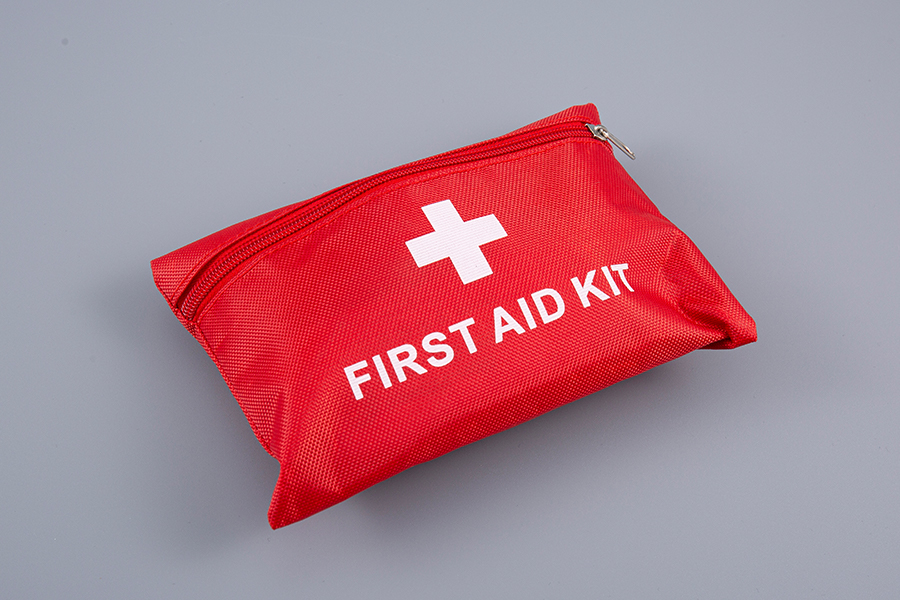
A first aid kit is only useful when it actually matches the environment it's meant for. A kit designed for a corporate office will fall short in a factory workshop; a home kit may lack what a hiking group needs on a mountain trail. Over more than two decades of manufacturing medical disposable products for clients across Europe, North America, the Middle East, and beyond, we've seen how much detail matters when it comes to putting together the right kit for the right place. This guide breaks down what each major setting genuinely requires — and why those differences matter.
Why "One Kit Fits All" Is a Myth
The global first aid kit market was valued at over USD 1.8 billion in 2023 and is projected to grow steadily through 2030, driven largely by expanding workplace safety regulations and increasing consumer awareness. Yet a common procurement mistake — especially among buyers managing multiple facilities — is treating first aid kits as a commodity and ordering a single standard configuration for every location.
In practice, the injury profile, the number of people covered, the regulatory requirements, and the distance from professional medical care all vary significantly between a home, a vehicle, a factory floor, a school, and an outdoor site. Getting this wrong doesn't just create compliance issues — it means the kit fails at the moment it's needed most.
The table below gives a quick comparison across the five settings covered in this guide:
| Setting | Primary Risk | Kit Size | Regulatory Driver | Time to Professional Help |
|---|---|---|---|---|
| Home | Kitchen cuts, burns, falls | Small – medium | Personal choice | Usually short |
| Car | Road accidents, travel injuries | Compact | Legally required in many countries | Variable |
| Factory | Lacerations, chemical exposure, crush injuries | Large / multi-point | Occupational safety law (OSHA, EU directives) | Usually short (on-site) |
| School | Playground injuries, allergic reactions | Medium | Education authority guidelines | Usually short |
| Outdoor / Wilderness | Blisters, sprains, hypothermia, bleeding | Compact but comprehensive | Varies by activity / employer | Potentially hours or longer |
Home First Aid Kit: Built for Everyday Family Emergencies
According to the U.S. Consumer Product Safety Commission, more than 20,000 people die from home injuries annually in the United States alone, with millions more requiring non-fatal treatment each year. Most of these incidents — cooking burns, slips in the bathroom, minor cuts during DIY tasks — can be addressed effectively at home if the right supplies are on hand.
Core Contents for a Home Kit
- Assorted adhesive wound plasters (various sizes for fingers, palms, and larger areas)
- Sterile gauze swabs and non-adherent wound dressings for larger cuts and abrasions
- Elastic bandage and crepe bandage for sprains and supporting dressings in place
- Burn dressings — a category often missing from basic kits but critical in kitchens
- Alcohol pads and antiseptic wipes for wound cleaning
- Medical gloves (at least two pairs) to prevent cross-contamination
- Microporous or medical paper tape for securing dressings
- Scissors and tweezers
- Instant cold pack for soft tissue injuries and swelling
- Digital thermometer
Practical Placement Tips
Many families keep a single kit in a bathroom cabinet, which is actually a poor choice — the humidity from showers degrades adhesives and sterile packaging over time. A cool, dry location such as a kitchen cupboard or utility room is far more suitable. Homes with elderly residents or young children benefit from keeping a secondary compact kit on each floor. Check contents every 12 months and replace items at or near their expiration date.
Car First Aid Kit: What Road Safety Regulations Actually Require
Vehicle first aid kits are legally mandated in a large number of countries. In Germany, carrying a DIN 13164-compliant kit has been compulsory since the 1990s; Austria, France, and many Eastern European nations have similar requirements. Even where not legally obligatory — as in the UK and USA — a car kit is strongly recommended by road safety bodies.
The key challenge for a car kit is the environment: temperatures inside a parked vehicle can exceed 70°C in summer, which degrades adhesives, compromises sterile packaging integrity, and melts certain plastics. This is why material quality matters as much as item selection.
Essential Items for a Car Kit
- Triangular bandage with safety pins — for arm slings and improvised dressings
- Sterile wound dressings in multiple sizes
- Adhesive plasters (waterproof variants are preferable in a vehicle context)
- Disposable gloves — minimum two pairs as per most national standards
- Emergency foil blanket to manage shock and hypothermia at the roadside
- Resuscitation face shield for CPR
- Alcohol cleaning wipes
- Conforming bandage roll
For buyers sourcing vehicle kits at scale — fleet operators, car manufacturers, or automotive aftermarket distributors — consistency of content and heat-resistant packaging are the two factors most worth verifying at the supplier level. Kits assembled with sub-standard materials may pass inspection on receipt but degrade quickly in real-world storage conditions.
Factory First Aid Kit: Meeting Occupational Safety Requirements
Industrial and manufacturing environments present a risk profile that is significantly more complex than domestic settings. According to the International Labour Organization, approximately 374 million non-fatal work-related injuries occur globally each year, many of which take place in manufacturing, construction, and logistics. Regulatory frameworks such as OSHA in the United States and the EU's Workplace Safety Directives set minimum requirements for first aid provision — but the specific content of a factory kit should always be tailored to the actual hazards present.
Risk-Specific Items to Include
A factory first aid kit goes beyond standard household supplies. The following categories of items address the injury types most commonly seen in industrial settings:
- Wound closure and bleeding control: Large sterile wound dressings, conforming bandages, and hemostatic gauze for lacerations from machinery
- Eye injury management: Eye wash saline solution and sterile eye pads — particularly relevant in environments with dust, metal swarf, or chemical splash risk
- Burn management: Burn dressings and non-adherent pads for contact burns, steam burns, or chemical burns
- Finger and hand injuries: Finger dressings and tubular bandages are disproportionately important in factory settings where hand injuries are common
- PPE for first aiders: Multiple pairs of medical gloves, face masks, and protective glasses
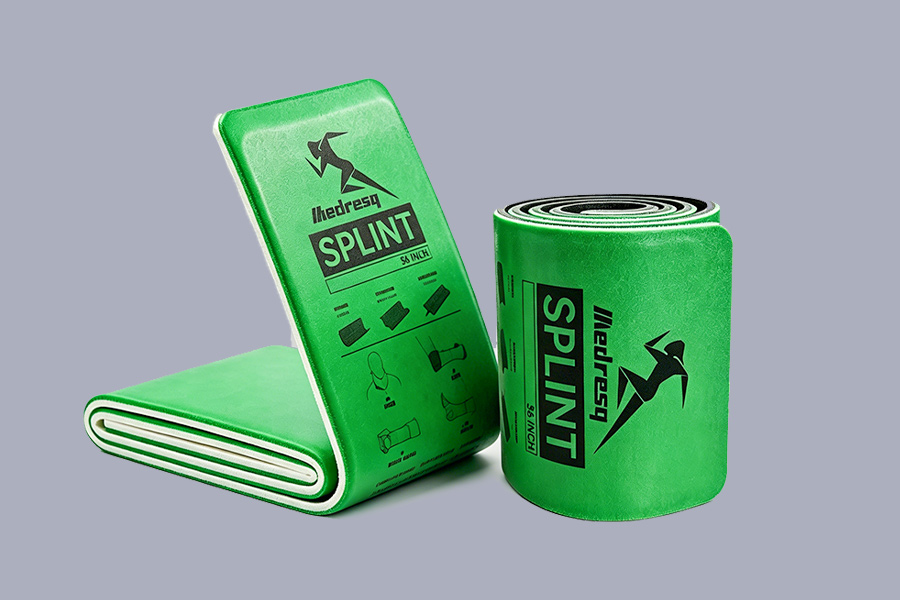
- Immobilization: Triangular bandages and splints to stabilize suspected fractures while awaiting emergency services
- Resuscitation aids: Face shields and CPR instruction card
Placement and Quantity Planning
OSHA guidelines in the United States recommend that at minimum one first aid kit should be available per 50 employees, with kits placed so that no worker has to travel more than 3–5 minutes to access one. In large facilities, this typically means multiple kits distributed across departments, plus a more comprehensively stocked unit in the first aid room or medical station. Factory procurement managers should also factor in the pace of consumption — kits in active manufacturing environments need restocking far more frequently than office or home units.
We supply customizable first aid kits for industrial and workplace applications that can be configured with the specific consumables and tools your facility requires — from standard dressing components to specialized items for chemical or electrical hazard environments.
School First Aid Kit: Serving Children and Staff Safely
Schools present a unique combination of high activity levels, a vulnerable population, and the need for strict procedural compliance. Playground injuries account for a significant share of school-related incidents — in the UK, roughly 40% of childhood injuries happen in school or on school grounds. Beyond physical injuries, schools also need to be equipped to manage allergic reactions, nosebleeds, insect stings, and minor eye injuries.
School first aid provision is typically governed by national education department guidelines. In many jurisdictions, designated first aiders are required on-site during school hours, and the kit's contents must meet minimum standards. Beyond compliance, a well-organized kit that staff can navigate quickly under pressure is essential.
Recommended Contents for School Kits
- Assorted adhesive plasters — including smaller sizes suitable for children's fingers and knees
- Sterile gauze swabs and non-adherent dressings for abrasions and open wounds
- Conforming bandages for securing dressings on limbs
- Triangular bandages for arm slings and improvised support
- Disposable gloves — latex-free to reduce the risk of allergic reactions in students
- Alcohol wipes and antiseptic solution
- Eye pad and eye wash for playground-related eye injuries
- Cold packs for sprains, impacts, and swelling from sports activities
- Scissors (blunt-nosed) and tweezers for splinter removal
- First aid instruction booklet
Key Considerations Specific to Schools
Latex allergies are considerably more prevalent among children than in the general adult population. All gloves in a school kit should be latex-free as a precaution. Schools should also maintain a log of each time the kit is accessed, which supports both restocking management and compliance audits. Secondary portable kits for sports days, field trips, and PE lessons are a practical necessity that many schools overlook until an incident occurs away from the main kit.
Outdoor First Aid Kit: Preparing for Emergencies Far from Medical Help
Of all the environments covered in this guide, outdoor and wilderness settings are the most demanding — and the most frequently underestimated. The critical difference is time: in a remote location, it may take hours before a casualty reaches professional medical care. The kit must therefore bridge a longer gap, and the person using it must be capable of doing more with the supplies available.
Outdoor kits are used across a wide range of activities — hiking, climbing, trail running, cycling, water sports, and organized expeditions. Each brings its own injury pattern, but some needs are near-universal.
Priority Items for Outdoor and Wilderness Use
- Blister management: Blister plasters and moleskin padding — the single most-used item on multi-day hikes
- Wound closure: Sterile wound closure strips and larger non-adherent dressings for deeper cuts where suturing is not possible in the field
- Bleeding control: Hemostatic gauze or compression dressings for traumatic wounds in remote settings
- Sprain and strain support: Cohesive bandages and elastic bandages — lightweight and effective for ankle or wrist injuries on the trail
- Thermal protection: Emergency foil blanket — critical for hypothermia prevention, weighs almost nothing
- Burn care: Burn dressing gel or sterile burn sheet for campfire or stove-related burns
- Eye protection: Eye wash pods and eye pad for dust, debris, or UV-related eye irritation at altitude
- Medical gloves: At least two pairs for safe wound management away from running water
- Irrigation syringe: For flushing wound contamination with clean water in the field
- SAM splint or improvised splinting material: For fracture stabilization pending evacuation
Weight and Packaging Matter More Than Anywhere Else
For backpackers and expedition teams, every gram counts. An outdoor kit should be compact, waterproof, and organized so that specific items can be found immediately under stress. Bulky or disorganized kits get left behind or buried at the bottom of a pack. The best-designed outdoor kits use lightweight pouches with labeled inner compartments, and contain only the items most likely to be needed — not a compromise designed to impress at the point of sale.
How to Maintain Any First Aid Kit Properly
Even the best-equipped kit becomes a liability if it's poorly maintained. Research suggests that a significant proportion of workplace first aid kits contain expired or depleted items at any given time — an audit of over 200 kits across UK workplaces found that more than 60% had at least one expired consumable. The same pattern applies to household and vehicle kits.
A Practical Maintenance Schedule
- After every use: Replace any items consumed immediately — never leave a kit depleted.
- Every 6 months: Check expiry dates on all sterile items, plasters, and antiseptics. Replace as needed.
- Annually: Full audit of contents against your location's required checklist; update items based on any changes in risk profile or regulations.
- When regulations change: Review contents against updated occupational safety or education authority guidelines.
For bulk buyers managing first aid supplies across multiple sites — distributors, wholesalers, facility management companies — establishing a regular replenishment cycle with a reliable supplier is more cost-effective than reactive procurement. Consistent item quality also matters: a plaster that fails to adhere, gauze that sheds fibers into a wound, or a bandage that loses elasticity after a few months in storage all carry real clinical consequences.
Customization: The Practical Case for Non-Standard Kit Configurations
Standard off-the-shelf kits serve as a useful baseline, but organizations with specific risk profiles — a chemical processing plant, a children's sports club, a remote-site construction project — will consistently find that no standard kit truly fits. Customization solves this problem directly.
From our experience as a manufacturer working with clients across the healthcare, retail, and industrial sectors, the most effective custom kits are built around three inputs: a realistic assessment of the most likely injuries, the number of people being covered, and the regulatory minimum requirements for that sector and geography. Everything else — the container, the labeling, the inner organization, the specific product variants — follows from those decisions.
We manufacture and supply a broad range of first aid kits for home, workplace, travel, and outdoor use, with full OEM/ODM capability to configure contents, packaging, and branding to your specifications. Whether you need a compact travel unit or a comprehensive industrial kit, we can accommodate both standard and custom requirements at scale.