English
 Français
 Español
 Português
 عربى
عربى 日本語
日本語 한국어
한국어 русский
Breathable Dressings for Wounds: How to Choose, Types, and Sourcing Guide
Content
After two days on a shallow abrasion, the skin around a dressing looks wrinkled and pale. The wound itself is still wet, but the tissue next to it is starting to soften. This is maceration, and it usually means the dressing let moisture pool against the skin instead of moving it away.
The practical conclusion is simple: breathable dressings for wounds should be the default choice for most superficial, low-to-moderately exuding wounds. They keep the wound bed moist without leaving the surrounding skin soaked, and they let the dressing stay in place longer without becoming a bacterial reservoir.
Breathability is not just a comfort label. It has a direct effect on healing speed, pain at dressing change, infection risk, and the number of times a wound needs to be dressed.
Why Breathability Matters in Wound Care
A wound needs oxygen to support granulation, but it also needs moisture to allow cells to move across the surface. Dressing manufacturers use different materials to reach that balance. A breathable dressing has a structure that allows air to circulate and lets water vapor escape while keeping the wound surface moist.
The concern is the microclimate under the dressing. If vapor cannot escape, the skin begins to macerate. If the dressing is completely open and the wound dries out, scab formation slows the repair process. The ideal window is often called the moist wound healing environment.
For a distributor or clinician, the first thing to understand is not the dressing category, but the moisture vapor transmission rate. This is usually reported in grams per square meter per 24 hours. High MVTR suits wounds with more exudate. Lower MVTR suits dry or lightly exuding wounds. Asking for this spec is more useful than trusting a generic breathable label.
A breathable gauze bandage is a common choice because the weave allows air to move and the fabric conforms to irregular anatomy.
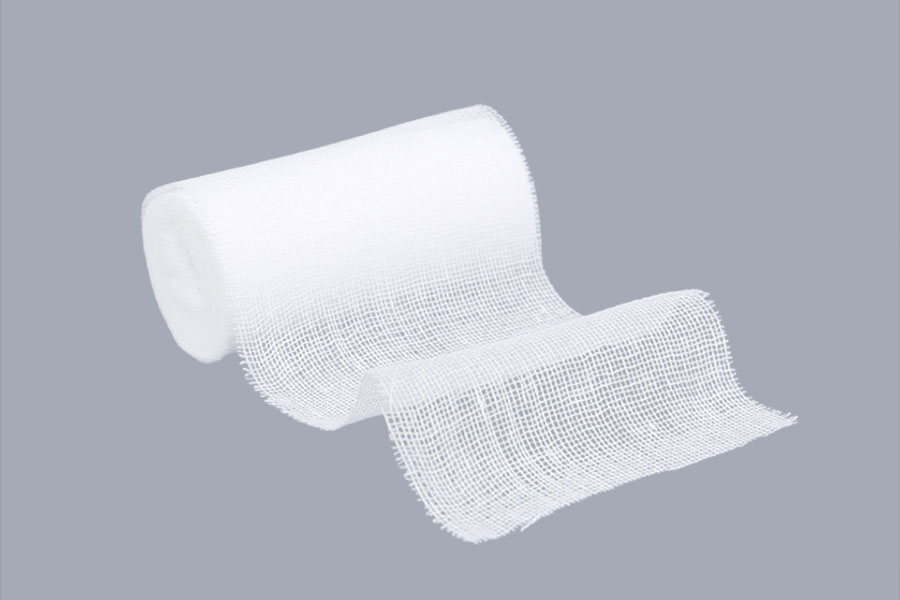 Cotton Non-Elastic Breathable Loose Woven Gauze BandageThis loosely woven cotton gauze bandage is highly absorbent and breathable, making it a common choice for covering wounds that need air circulation while conforming to irregular body shapes.View Product →
Breathable Dressing Types Compared
There is no single breathable dressing for every wound. The choice depends on the amount of exudate, the stage of healing, and how much the dressing needs to stick.
| Dressing Type | Moisture Handling | Typical Use | What to Watch For |
|---|---|---|---|
| Gauze | High air flow, absorbs fluid into fibers | Superficial wounds, secondary cover, wound cleaning | Can adhere to a drying wound; saturated gauze loses breathability |
| Non-woven adhesive | Moderate MVTR, low lint | Light to moderate exudate, post-surgical incisions | Adhesive residue on fragile skin |
| Transparent film | Waterproof but vapor permeable | Incisions, IV sites, superficial burns | Do not use on heavily exuding wounds |
| PU film or foam | Vapor-permeable outer layer, absorbent core | Moderate exudate, low adherence to wound bed | Size and edge sealing must match the wound |
| Hydrocolloid | Gel-forming and occlusive | Dry to low exudate, partial-thickness wounds | Not breathable enough for infected wounds |
Non-woven wound dressings are often considered the best first-line choice in clinical settings because they combine a soft, porous backing with a low-adherent wound contact layer.
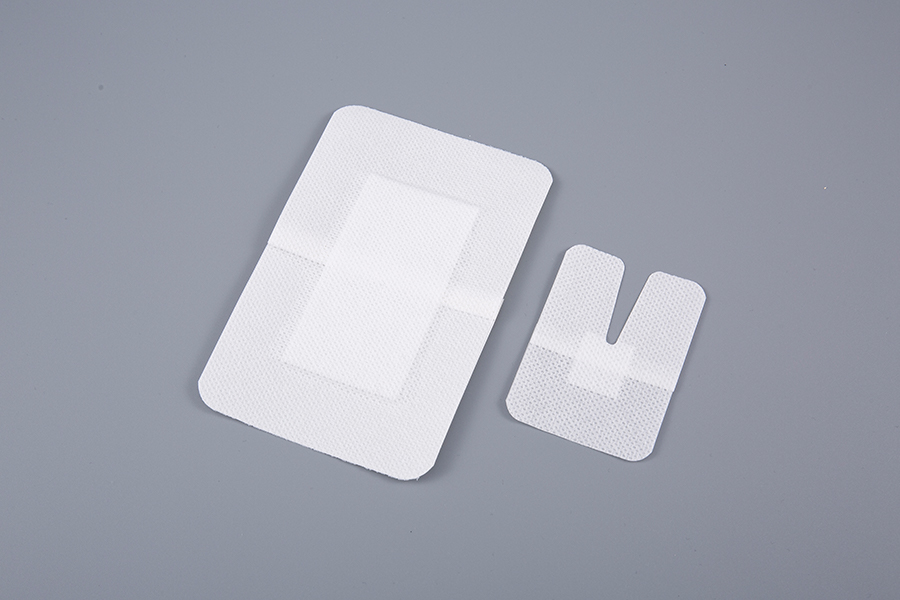 Adhesive Non-Woven Wound Dressing with Absorbent PadThis non-woven dressing features a soft porous backing and low-adherent pad, providing a comfortable first-line wound cover that stays in place and manages exudate effectively.View Product →
Transparent and PU products solve a different problem. They prevent liquid from entering while letting vapor escape, which is useful for patients who shower or for areas exposed to body fluids.
Choosing a Breathable Dressing by Wound Phase
Superficial or Healing Wounds
For an abrasion, small cut, or healing incision with little exudate, a breathable film or a thin non-woven adhesive dressing keeps the area clean without pulling tissue away.
Light to Moderate Exudate
When serous fluid is present, choose an absorbent contact layer plus a breathable outer cover. PU dressings work particularly well because the outer membrane keeps the wound bed moist while allowing vapor to escape.
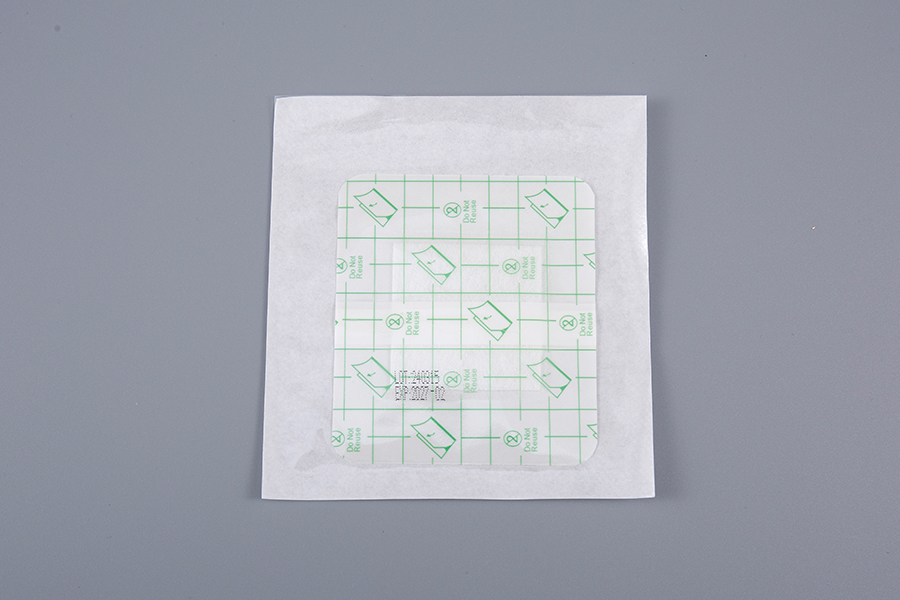 Transparent Waterproof PU Wound Dressing for Small WoundsThis transparent PU dressing is waterproof and elastic, protecting small wounds from infection while allowing vapor escape, ideal for keeping a moist wound bed during healing.View Product →
Deep, Infected, or Heavily Exuding Wounds
These require a different approach. A clinician may choose a foam, alginate, or hydrofiber dressing, and may need to change it more frequently. A breathable secondary dressing can cover the absorbent primary layer, but it is not a substitute for proper debridement or infection control.
Procurement Considerations for Buyers
When ordering breathable dressings for wounds, the price is not the first thing to compare. The first thing is the intended clinical use. Supplier specifications should state the MVTR range, whether the dressing is sterile or non-sterile, adhesive type, and whether it is self-adhesive or needs a secondary cover.
For a B2B buyer, there are three risks worth checking before a bulk order: adhesive residue on fragile skin, packaging compatibility with dressing change protocols, and inconsistent breathability between batches. Ask for a closed-form specification sheet and verify the expiry date.
Hospital supply teams usually need a narrow range of sizes. Distributors and pharmacy retailers, by contrast, want a full skin-friendly portfolio. They often need wound dressing bundles that combine dressings, bandages, and medical tapes in one purchase order.
The expanding role of wound dressings in outpatient and home care means customers expect products that are easy to apply, comfortable to wear, and safe to remove.
Specification Checks
- Confirm whether the dressing is sterile and supplied in a single-use peel pouch.
- Check the adhesive type and whether the product is hypoallergenic.
- Ask the supplier to explain the moisture vapor transmission value or the material construction.
- For private label programs, confirm whether size, shape, and packaging can be customized.
Final Takeaway
Breathable dressings for wounds are not an all-purpose category. They work best when the material matches the exudate level, the surrounding skin condition, and the patient's living situation. Gauze gives airflow and conformation but can stick. Non-woven adhesive gives a clean, soft interface with low residue. PU gives a film or foam option that protects against liquid while allowing vapor out.
If you are sourcing for a hospital, pharmacy, or first-aid line, start with the clinical purpose and then verify the material specs. The right breathable dressing should reduce pain, reduce maceration, and keep the wound environment stable. That is what the search term means in day-to-day care.