English
 Français
 Español
 Português
 عربى
عربى 日本語
日本語 한국어
한국어 русский
Medical Disposable Products: Role in Healthcare & Emergency Response | SZTexnet
Content
- 1 What Are Medical Disposable Products and Why Do They Matter
- 2 Infection Control: The Foundation of Single-Use Medical Supplies
- 3 Key Categories of Medical Disposable Products
- 4 Medical Disposables in Emergency and Humanitarian Response
- 5 Decentralized Healthcare and the Growing Demand for Disposables
- 6 What Buyers Should Look for in a Medical Disposable Supplier
- 7 Choosing the Right Medical Disposable Products Partner
Medical disposable products are the backbone of safe, efficient healthcare delivery — and their importance is growing. From operating rooms and outpatient clinics to field hospitals and humanitarian aid missions, single-use medical supplies help healthcare teams move faster, reduce contamination risks, and maintain consistent standards of care across virtually every setting. What was once treated as a basic consumable category is now recognized as a strategic pillar of healthcare infrastructure worldwide.
What Are Medical Disposable Products and Why Do They Matter
Medical disposable products — also called single-use medical supplies — are items designed to be used once and discarded, eliminating the need for reprocessing or sterilization between patients. They include a wide range of essential supplies: wound dressings, gauze products, medical bandages, surgical tapes, PPE, procedure kits, and many other clinical consumables.
Their value lies not just in material quality, but in immediate availability. A disposable wound dressing does not require pre-inspection, sterilization cycles, or tracking between uses. It is clean, packaged, and ready — which directly supports faster, safer patient care. In high-volume clinical environments where staff are managing dozens of patients at once, this operational simplicity has a measurable impact on both efficiency and safety outcomes.
Global demand for medical disposable products has risen consistently over the past decade, driven by population growth, the expansion of outpatient and community-based care, increased awareness of infection prevention, and the lessons learned from large-scale public health emergencies. Healthcare systems that once viewed disposables as a cost line item now treat reliable supply access as a core operational priority.
Infection Control: The Foundation of Single-Use Medical Supplies
Preventing cross-contamination is one of the most critical challenges in any healthcare environment. Reusable equipment, no matter how carefully maintained, carries an inherent risk of incomplete decontamination — particularly under high-pressure conditions where time and staff capacity are limited. Medical disposable products eliminate this risk entirely for the items they replace.
Individually packaged, sterile-ready disposables ensure that every patient contact begins with a clean product. This is especially important in the following situations:
- High patient turnover environments such as emergency departments, surgical suites, and outpatient procedure centers
- Under-resourced or temporary care settings where sterilization infrastructure may not be available
- Field and mobile medical units where speed and simplicity of deployment are essential
- Community healthcare programs where products may be handled by personnel with varying levels of clinical training
By removing the reprocessing variable, disposable medical supplies allow healthcare providers to focus entirely on patient care — not on managing decontamination workflows. This is a practical, proven advantage that continues to drive adoption across every tier of global healthcare.
Key Categories of Medical Disposable Products
Understanding the major product categories helps procurement teams, distributors, and healthcare providers make better sourcing decisions. Each category plays a distinct role in clinical practice.
Gauze and Wound Care Supplies
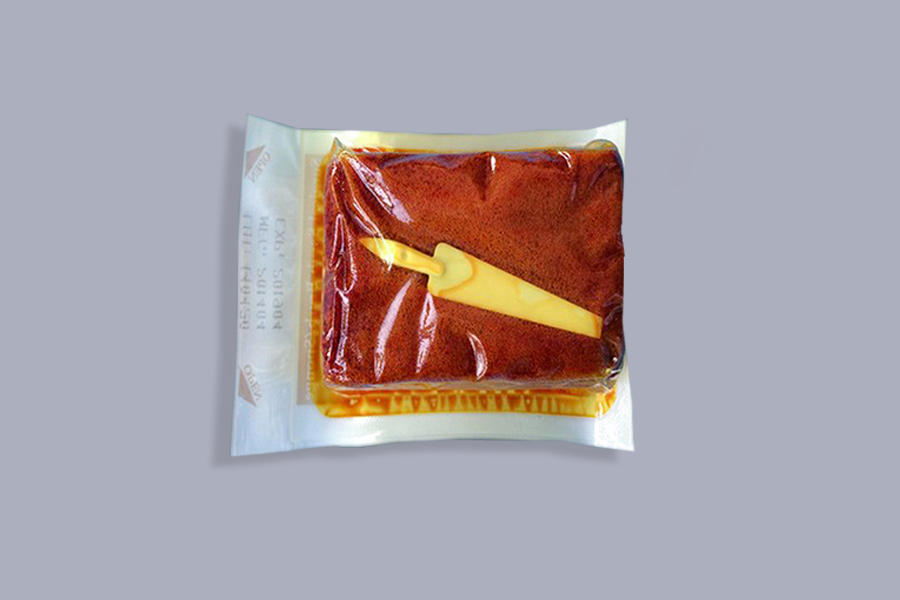
Gauze products remain one of the most widely used and versatile categories in disposable wound care. Gauze swabs, non-woven sponges, abdominal pads, lap sponges, and gauze rolls serve essential functions in wound cleaning, fluid absorption, dressing support, and surgical field management. Their versatility across both basic and advanced wound care settings makes them a foundational product in any medical supply program. More specialized wound dressings — including foam dressings, hydrocolloids, and antimicrobial options — support exudate management and create a more suitable healing environment for complex wounds.
Bandages and Fixation Products
Medical bandages cover a broad and clinically essential range: elastic bandages, conforming bandages, crepe bandages, cohesive bandages, and adhesive fixation tapes. These products secure dressings, provide mild compression, support injured limbs, and maintain treatment integrity during patient movement or transport. In emergency response settings, their portability and ease of application make them among the most practical tools available to both trained medical staff and first responders.
Personal Protective Equipment (PPE)
Disposable PPE — including medical masks, gowns, caps, gloves, shoe covers, and protective apparel — protects healthcare workers from exposure to bloodborne pathogens, infectious agents, and clinical hazards. PPE is no longer discussed only in the context of outbreak response. It is now understood as a baseline standard for frontline healthcare preparedness, occupational safety, and infection prevention in everyday clinical operations. Products must meet recognized standards such as CE, FDA clearance, and ISO 13485 to ensure reliable protection across varied use conditions.
Procedure Kits and Dressing Kits
Pre-assembled procedure kits and dressing kits represent an evolution in how disposable medical supplies are used. Rather than sourcing individual components separately, healthcare facilities can receive purpose-built kits that group all necessary items for a specific clinical procedure or wound care protocol. This format reduces preparation time, minimizes handling steps, supports consistency across staff and locations, and improves overall procedural readiness — especially in high-volume or resource-limited environments.
Medical Disposables in Emergency and Humanitarian Response
When healthcare delivery moves away from controlled hospital environments — into disaster zones, conflict-affected areas, refugee settings, or mass casualty incidents — the operational requirements for medical supplies change significantly. Equipment must be lightweight, compact, storable without climate control, and usable by personnel under pressure without extensive preparation time.
Disposable medical products are purpose-suited to these conditions. Their individually sealed packaging maintains sterility during transport and storage. Their standardized formats reduce the need for specialized training. Their single-use nature eliminates the need for cleaning infrastructure in the field.
In emergency medicine, wound care is typically among the first and most urgent clinical priorities. A patient arriving at a field treatment point may need immediate wound cleaning, absorption, coverage, and fixation before advanced care is accessible. The availability of clean, properly packaged disposable wound care supplies at that moment directly affects treatment outcomes. Organizations working in global emergency response — including NGOs, military medical units, and humanitarian aid programs — consistently list disposable wound care products among their highest-priority procurement needs.
Supply continuity in these contexts is not a secondary concern — it is mission-critical. A shortage of gauze swabs or elastic bandages at a field hospital can halt treatment for dozens of patients simultaneously. This is why forward-thinking procurement teams are increasingly prioritizing supplier reliability and buffer inventory strategies alongside product specifications.
Decentralized Healthcare and the Growing Demand for Disposables
One of the most significant structural shifts in global healthcare over the past decade is decentralization. Care that once took place almost exclusively in large hospitals is now increasingly delivered through outpatient centers, urgent care facilities, ambulatory surgery units, nursing homes, homecare programs, and community health networks.
This shift creates new demands for medical disposable products. Supplies must perform consistently across different care environments and be usable by a wider range of personnel — from surgeons to home health aides. Products that are overly complex or require specialized handling are ill-suited to this expanded care network. Disposables, by contrast, are inherently standardized. They require no maintenance, no calibration, and minimal training to use correctly.
The decentralization trend also increases the total volume of disposables consumed per patient episode, as more procedures are performed in settings without the centralized sterilization infrastructure of a hospital. This structural demand driver is expected to continue contributing to global market growth for medical disposable products in the years ahead.
What Buyers Should Look for in a Medical Disposable Supplier
For hospitals, distributors, NGOs, and private label buyers, selecting a medical disposable supplier involves far more than comparing unit prices. The true cost of a supply relationship includes reliability, documentation quality, logistics capability, and the supplier's ability to respond when demand shifts unexpectedly.
| Criteria | Why It Matters |
|---|---|
| Certifications (CE, ISO 13485, FDA) | Confirms products meet international safety and quality standards required for market entry |
| Supply continuity and lead time consistency | Prevents operational disruption in hospitals and field programs that depend on uninterrupted access |
| OEM and private label capability | Enables distributors and healthcare networks to build consistent branded supply programs |
| Packaging flexibility | Supports different market requirements — from retail-ready packaging to bulk hospital formats |
| Export documentation and regulatory support | Reduces customs and compliance burden for international buyers |
| Product range breadth | Allows buyers to consolidate sourcing and simplify procurement logistics |
Supplier reliability has become a strategic procurement criterion, not just an operational preference. Events that disrupted global supply chains in recent years demonstrated that healthcare systems with diversified, relationship-based sourcing strategies were better positioned to maintain care continuity than those relying on purely transactional purchasing models. Buyers are increasingly building longer-term partnerships with manufacturers who combine strong production capacity with responsive communication and documentation discipline.
Choosing the Right Medical Disposable Products Partner
The role of medical disposable products in global healthcare is no longer secondary. It is central to how care is delivered, how facilities maintain safety standards, and how healthcare systems prepare for both everyday operations and unexpected demand. From routine dressing changes to mass casualty response, single-use medical supplies are present at every point of care.
At SZTexnet, we have spent over 20 years manufacturing and supplying high-quality medical disposable products to hospitals, distributors, pharmacies, NGOs, and private label partners across Europe, Africa, the Middle East, Southeast Asia, North America, and South America. Our products — including gauze, wound dressings, bandages, PPE, and procedure kits — carry CE and ISO 13485 certifications from TUV and are FDA registered, meeting the standards required for access to the world's most demanding healthcare markets.
We understand that reliable supply is as important as product quality. Our manufacturing discipline, flexible packaging options, OEM and private label services, and experienced export team are built to support procurement partners who need a supplier they can depend on — not just for one order, but for every order that follows. If you are looking to strengthen your medical disposable supply chain, we invite you to contact our team and discuss how we can support your specific program needs.