English
 Français
 Español
 Português
 عربى
عربى 日本語
日本語 한국어
한국어 русский
Carbon Steel vs Stainless Steel Surgical Blades: Which to Choose
Content
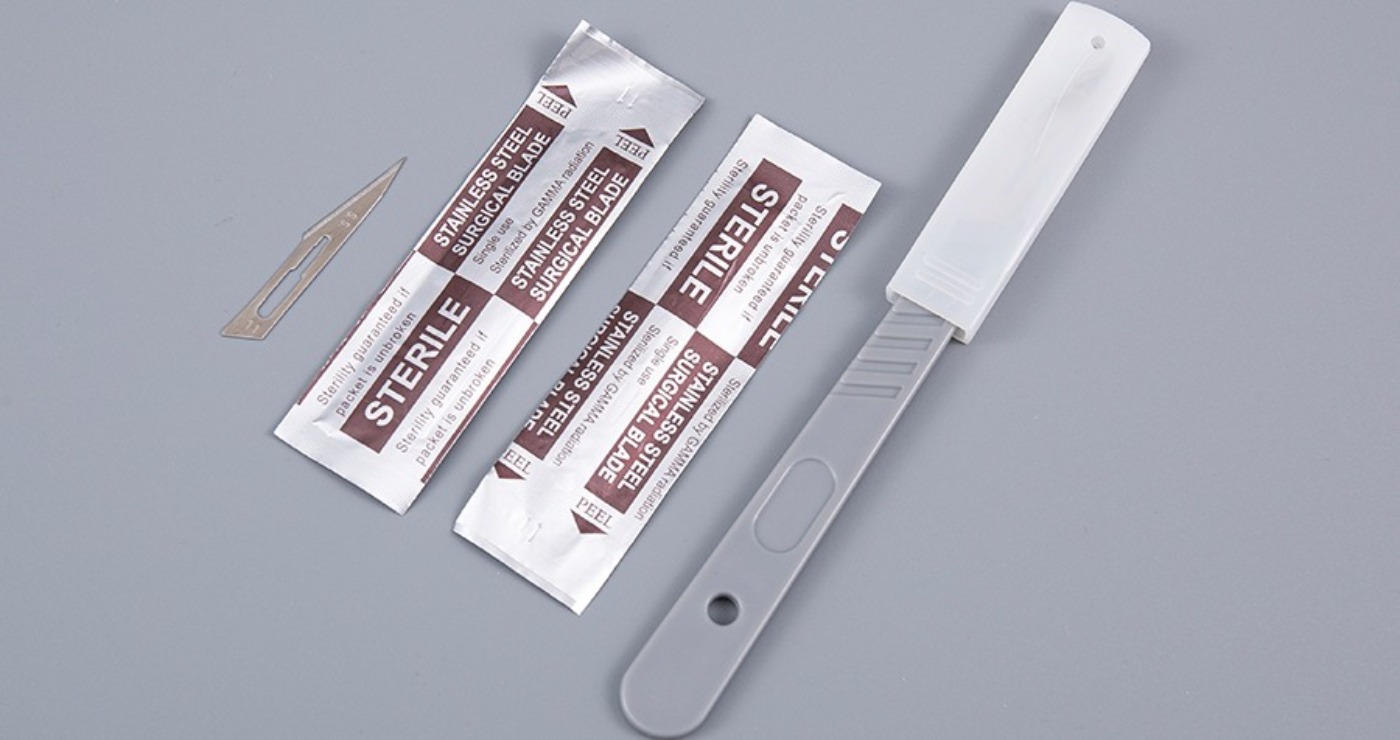
Conclusion: Choose carbon steel surgical blades when you want the sharpest initial edge and the cleanest “bite” in controlled, dry handling. Choose stainless steel surgical blades when you need better corrosion resistance, longer shelf stability, and fewer rust-related risks around moisture, fluids, and storage.
In practice, the “best” blade is the one that matches your workflow: exposure to moisture, sterilization method, storage conditions, and how frequently blades are changed during a procedure.
Carbon Steel vs Stainless Steel Surgical Blade: Quick Comparison
Both materials can be ground to extremely fine edges, but they behave differently once they meet real-world conditions (fluids, wiping, time on the tray, and storage).
| Factor | Carbon Steel | Stainless Steel |
|---|---|---|
| Initial sharpness | Very high; often feels “crisper” | High; may feel slightly less “aggressive” |
| Corrosion resistance | Low; can spot-rust with moisture | Higher; tolerates humidity and fluids better |
| Edge stability in wet handling | Edge can degrade if micro-rust forms | More consistent edge in moist environments |
| Shelf/storage tolerance | Sensitive to packaging damage and humidity | More forgiving for longer storage |
| Typical use pattern | Best when changed frequently and kept dry | Best for routine use and mixed conditions |
| Cost (general market trend) | Often slightly lower | Often slightly higher |
Rule of thumb: If moisture exposure or storage variability is unavoidable, stainless usually reduces preventable complications (rust spotting, edge inconsistency after wiping, and packaging-related corrosion).
Why the Materials Behave Differently
Corrosion chemistry matters more than most people expect
Stainless steel is “stainless” mainly because it contains enough chromium to form a protective oxide film. A common threshold is ~10.5% chromium or higher. Carbon steel typically has very low chromium, so it lacks that self-protecting layer and can oxidize quickly when exposed to water, saline, or disinfectant residue.
Hardness and edge geometry are the real cutting story
Surgical blades are ground to extremely fine bevels (often roughly 12–15° per side depending on the blade design and manufacturer). At these thin geometries, small differences in microstructure and corrosion behavior show up as noticeable differences in “feel” and consistency.
- Carbon steel can take a very clean apex and often feels immediately sharper, especially in the first few cuts.
- Stainless steel usually sacrifices a small amount of that initial “bite” to gain surface stability in wet or variable handling.
Performance in the Field: Sharpness, Edge Retention, and Consistency
Initial sharpness (first-contact cutting)
Carbon steel is often favored when users prioritize the sharpest initial cut and tactile feedback. It can feel especially precise for fine, controlled incisions when the blade remains dry and is replaced frequently.
Edge retention (how long the edge stays “surgical”)
Edge retention is a combination of hardness, carbide structure, and what the edge encounters (tissue, sutures, drapes, contact with instruments, wiping). A practical differentiator is that micro-corrosion can blunt an ultra-fine edge even if the underlying steel is hard.
- Carbon steel: can keep an excellent edge in dry conditions, but may lose “clean cut” performance faster if exposed to moisture or if wiped repeatedly with damp gauze.
- Stainless steel: tends to maintain more consistent performance across mixed conditions, especially when the blade sits on a moist field or experiences intermittent exposure to fluids.
A concrete example that affects outcomes
If a blade spends time on a tray or field with intermittent moisture, a carbon steel edge can develop tiny oxidation points that are invisible at a glance but enough to increase drag. Stainless blades are less likely to develop those spots under the same handling, which helps preserve a predictable glide.
Sterilization, Storage, and Risk Management
Disposable vs reusable workflow
Most modern scalpel blades are single-use. The practical question is less about “re-sterilizing the blade” and more about what the blade experiences before it’s used: humidity, packaging integrity, temperature swings, and contact with disinfectants.
Storage tolerance (where stainless usually wins)
- If your storage environment has variable humidity (or supplies sit for long periods), stainless steel generally reduces corrosion-related rejects.
- If blades are rotated quickly and stored in controlled conditions, carbon steel can be a cost-effective way to get maximum initial sharpness.
If corrosion happens, it is not just cosmetic
Rust at the edge can increase friction, reduce precision, and create an inconsistent cut. From a risk perspective, the key point is: any edge defect at surgical bevel angles is amplified in performance. If your environment is moisture-prone, stainless lowers the likelihood of that defect occurring before the first incision.
Choosing the Right Blade for Common Use Cases
Use this as a practical selector when deciding between carbon steel vs stainless steel surgical blade options.
Pick carbon steel when
- Maximum initial sharpness matters most (fine, controlled incisions with frequent blade changes).
- You have controlled, dry storage and high inventory turnover.
- Your protocol minimizes blade exposure to moisture before use.
Pick stainless steel when
- The blade will face fluids, humidity, or variable storage conditions.
- You want more consistent performance across different rooms, teams, or handling habits.
- You are reducing the risk of rust-related defects and avoidable waste.
A simple decision checklist
- If the blade may sit exposed to moisture (even briefly), choose stainless.
- If the top priority is the crispest first incision and conditions are controlled, choose carbon steel.
- If you are standardizing across multiple teams and storage environments, default to stainless for fewer edge-quality surprises.
Bottom Line
There is no universal winner in carbon steel vs stainless steel surgical blade selection—there is only the better fit for your conditions.
- Carbon steel is the best choice when you want the sharpest initial edge and can control moisture exposure.
- Stainless steel is the best choice when you need corrosion resistance and consistent performance across real-world handling.
If you must pick one default for mixed conditions, stainless steel is typically the safer, more forgiving standard.