English
 Français
 Español
 Português
 عربى
عربى 日本語
日本語 한국어
한국어 русский
Hospital Supply Solution: Essential Disposable Supplies Guide
Content
- 1 Understanding the Critical Role of Disposable Medical Supplies in Hospital Operations
- 2 Infection Control Through Strategic PPE and Barrier Solutions
- 3 Wound Care Fundamentals: Gauze, Bandages, and Advanced Dressing Systems
- 4 Catheterization and Urological Supplies for Patient Management
- 5 Surgical Instruments and Procedural Consumables
- 6 Laboratory Consumables Supporting Diagnostic Excellence
- 7 Quality Assurance and Regulatory Compliance in Medical Disposables
- 8 Strategic Procurement Approaches for Hospital Supply Optimization
- 9 Sustainability Considerations in Disposable Medical Supplies
- 10 Future Directions in Hospital Supply Solutions
Understanding the Critical Role of Disposable Medical Supplies in Hospital Operations
Modern healthcare facilities face mounting pressure to deliver exceptional patient outcomes while managing costs and maintaining strict infection control standards. As a professional manufacturer and supplier of medical disposables, we recognize that the foundation of effective hospital operations rests on reliable access to essential single-use supplies. These products serve as the frontline defense against healthcare-associated infections (HAIs), which affect approximately 1 in 31 hospital patients on any given day according to the CDC, making supply chain reliability not just a procurement issue but a patient safety imperative.
The disposable medical supplies sector has evolved dramatically over the past two decades. What began as basic gauze and cotton products has expanded into sophisticated systems encompassing personal protective equipment, wound care solutions, surgical instruments, catheterization systems, and laboratory consumables. Our manufacturing facilities produce comprehensive solutions across these categories, allowing healthcare institutions to consolidate vendors, streamline procurement, and ensure consistent quality standards across their supply chain.
The economics of disposable supplies extend beyond unit pricing. Healthcare facilities that implement strategic sourcing partnerships typically achieve 15-25% cost reductions through consolidated ordering, reduced administrative overhead, and decreased inventory carrying costs. More importantly, standardizing on quality-certified disposables from trusted manufacturers reduces clinical complications that can cost thousands of dollars per incident when you factor in extended stays, additional treatments, and liability exposure.
Infection Control Through Strategic PPE and Barrier Solutions
Personal protective equipment represents the most visible category of hospital disposables, yet many facilities still approach PPE procurement reactively rather than strategically. Our manufacturing experience across surgical gowns, isolation gowns, face masks, gloves, and draping systems has taught us that successful infection prevention programs require layered protection strategies matched to specific clinical environments.
Critical PPE Categories for Comprehensive Protection
- Surgical and isolation gowns with fluid-resistant ratings matched to procedure risk levels
- Medical-grade face masks including procedure masks, surgical masks, and respiratory protection
- Examination and surgical gloves in latex, nitrile, and vinyl formulations
- Surgical drapes and barrier products designed for specific procedural applications
- Accessory PPE including bouffant caps, shoe covers, and protective eyewear
The distinction between isolation gowns and surgical gowns illustrates why understanding product specifications matters. Surgical gowns must meet AAMI PB70 Level 3 or 4 standards for critical zones, providing barrier protection during invasive procedures where exposure to blood and body fluids is expected. Isolation gowns, conversely, serve barrier functions during patient care activities with potential for transfer of infectious organisms. Selecting the appropriate product prevents both wasteful over-specification and dangerous under-protection.
We manufacture our complete range of PPE products under ISO 13485 certified quality systems, ensuring that healthcare facilities receive consistent protection regardless of order volume or frequency. This certification framework governs everything from raw material sourcing through final packaging, creating traceability that becomes essential when investigating adverse events or responding to regulatory inquiries.
Wound Care Fundamentals: Gauze, Bandages, and Advanced Dressing Systems
Wound management represents one of the highest-volume applications for disposable medical supplies, yet the category receives insufficient strategic attention in many procurement departments. Our production spans traditional gauze products through advanced wound dressings, giving us unique insight into how product selection impacts both clinical outcomes and operational efficiency.
Traditional Gauze Products Remain Essential
Despite advances in wound care technology, traditional gauze products continue filling irreplaceable roles across surgical suites, emergency departments, and patient care units. Our manufacturing includes gauze swabs, gauze rolls, lap sponges, and gauze balls—each designed for specific clinical applications. Gauze swabs in 4x4 inch configurations serve as the workhorse for wound cleaning and absorption, while larger lap sponges (typically 18x18 inches) provide critical absorbency during surgical procedures where managing irrigation fluids and blood is paramount.
The quality differential in gauze products becomes apparent through metrics most purchasers overlook. Thread count density determines absorbency capacity and structural integrity during use. Our production standards specify minimum 20x12 thread counts for medical-grade gauze, ensuring products maintain cohesion when saturated rather than shedding fibers into wound beds. This seemingly minor specification prevents complications like foreign body reactions that can delay healing and require additional interventions.
Bandage Selection for Optimal Wound Support
The bandage category encompasses far more diversity than most healthcare professionals realize. We manufacture elastic bandages, crepe bandages, cohesive bandages, and specialized orthopedic casting materials, each engineered for specific therapeutic applications. Elastic bandages provide graduated compression for edema management and venous insufficiency, while cohesive bandages offer self-adhering properties that eliminate tape requirements and reduce skin irritation in patients requiring frequent dressing changes.
| Bandage Type | Primary Application | Key Performance Feature | Typical Replacement Frequency |
|---|---|---|---|
| Elastic Bandage | Compression therapy, edema control | Graduated compression, washable | Weekly with proper care |
| Cohesive Bandage | Joint support, securing dressings | Self-adherent, no clips needed | Single use |
| Crepe Bandage | Light support, wound retention | Moderate stretch, breathable | 2-3 days typical |
| Orthopedic Bandage | Casting, fracture immobilization | Rigid support when cured | Duration of treatment |
Advanced wound dressings deserve particular attention from procurement teams managing chronic wound populations. Our manufacturing capabilities extend to non-woven wound dressings, polyurethane (PU) dressings, and specialized products like burn dressings and non-adherent pads. These products reduce dressing change frequency from daily to every 3-7 days, dramatically cutting nursing time requirements while improving patient comfort. For a 200-bed facility managing an average chronic wound census of 30 patients, switching to appropriate advanced dressings can save over 2,000 nursing hours annually—time that can be redirected to higher-value clinical activities.
Catheterization and Urological Supplies for Patient Management
Urological and catheterization products represent a specialized category where product quality directly impacts infection rates and patient comfort. Catheter-associated urinary tract infections (CAUTIs) remain among the most common HAIs, with each incident adding an average of $13,000 in treatment costs and extending hospital stays by 2-4 days. Our manufacturing approach to catheterization supplies emphasizes infection prevention through material selection, design optimization, and sterility assurance.
We produce comprehensive catheterization systems including Foley catheters in silicone and silicone-coated latex formulations, Nelaton catheters for intermittent catheterization, and complete drainage systems with anti-reflux valves and sampling ports. The choice between silicone and latex-based catheters involves balancing biocompatibility, material cost, and intended indwelling duration. Pure silicone catheters minimize tissue reaction and protein buildup, making them optimal for long-term catheterization exceeding 30 days, while silicone-coated latex provides cost-effective performance for shorter-duration applications.
Urine collection systems have evolved beyond simple drainage bags to incorporate infection prevention features. Our current production includes urine meters for precise output monitoring in critical care settings, leg bags for ambulatory patients maintaining dignity and mobility, and closed drainage systems that maintain sterile pathways from catheter insertion through final disposal. These system-level solutions reduce manipulation points where contaminants can enter, directly addressing the primary mechanism behind CAUTIs.
Surgical Instruments and Procedural Consumables
Operating room efficiency depends heavily on the availability and reliability of disposable surgical instruments and procedural supplies. Our manufacturing portfolio encompasses surgical sutures, blades, syringes, infusion sets, IV cannulas, and respiratory support products—each category requiring exacting quality standards to ensure surgical success and patient safety.
Sutures and Wound Closure Materials
Surgical sutures represent perhaps the most critical disposable in wound closure, directly influencing cosmetic outcomes, healing trajectories, and infection risk. We manufacture both absorbable and non-absorbable sutures in various sizes and needle configurations. The selection criteria extend beyond simple wound approximation to include tissue type, tension requirements, healing time expectations, and patient-specific factors like diabetes or immunosuppression that affect healing capacity.
Modern suture technology incorporates antimicrobial coatings that reduce surgical site infection rates by up to 30% in high-risk populations. Our production capabilities include triclosan-coated sutures that provide localized antimicrobial activity during the critical early healing phase when bacterial colonization poses greatest risk. These advanced products cost marginally more than standard sutures but deliver ROI through reduced complications and eliminated treatment costs for surgical site infections.
Vascular Access and Infusion Systems
Reliable vascular access underlies virtually every acute care intervention, making syringes, IV cannulas, and infusion sets fundamental to hospital operations. Our manufacturing standards for these products address multiple performance criteria: needle sharpness for reduced insertion trauma, transparent hubs for blood flashback visualization, secure Luer connections preventing disconnection, and materials compatibility across the range of infused medications.
The transition to safety-engineered devices has transformed the vascular access category. Our current production emphasizes integrated safety features like retractable needles and passive safety shields that activate automatically after use, eliminating the compliance variability that plagued earlier active-safety designs. These features reduce needlestick injuries by over 80% compared to conventional devices, protecting healthcare workers from bloodborne pathogen exposure while reducing institutional liability exposure and workers' compensation costs.
Laboratory Consumables Supporting Diagnostic Excellence
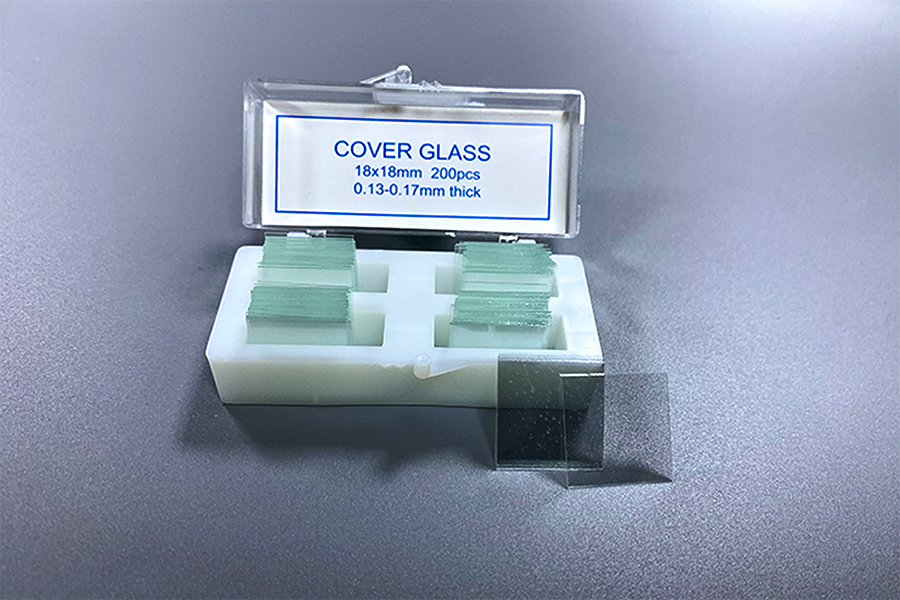
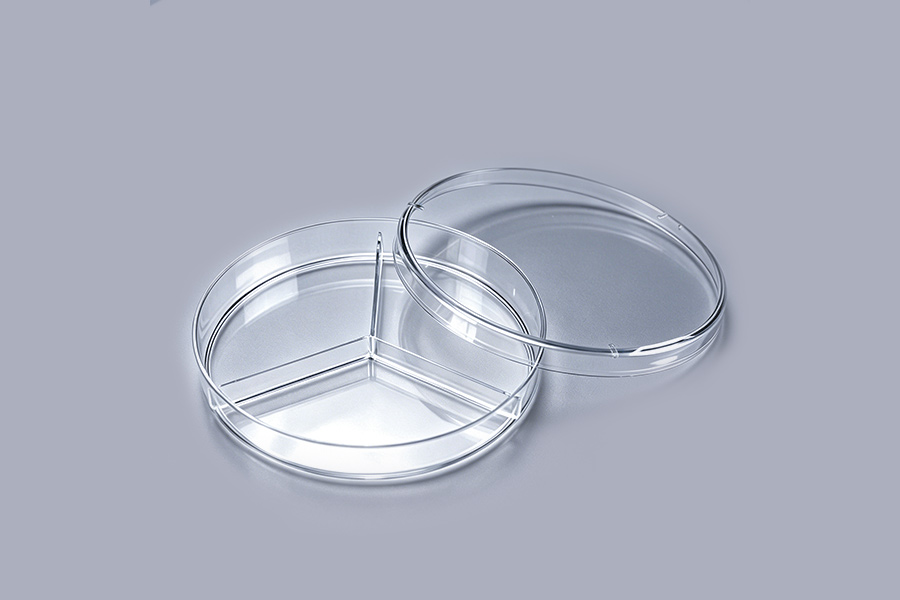
Diagnostic accuracy depends on specimen collection and handling quality, making laboratory consumables an often-overlooked component of hospital supply strategies. We manufacture comprehensive laboratory supplies including specimen collection containers, transport medium swabs, test tubes, centrifuge tubes, and microscope slides—products that must maintain specimen integrity from collection through analysis.
Transport medium swabs exemplify how product design impacts diagnostic performance. Our swabs incorporate appropriate transport media formulations that preserve bacterial viability during the interval between specimen collection and laboratory processing. This seemingly simple product prevents false-negative culture results that lead to inappropriate antibiotic selections and treatment failures. Similarly, our specimen collection containers utilize materials that prevent leaching of compounds that could interfere with assay chemistry, ensuring test results reflect patient biology rather than container artifacts.
The volume and diversity of laboratory consumables required by modern diagnostic laboratories creates procurement complexity that benefits from vendor consolidation. Our comprehensive product range allows laboratory managers to establish single-source relationships that simplify ordering, reduce inventory complexity, and ensure compatible products across testing platforms. This consolidation typically reduces procurement administrative costs by 20-30% while improving product availability through streamlined logistics.
Quality Assurance and Regulatory Compliance in Medical Disposables
The disposable medical supplies sector operates under stringent regulatory frameworks designed to ensure product safety and effectiveness. As an ISO 13485 certified manufacturer with CE marking and FDA registration, we structure our production systems around quality management principles that extend from design control through post-market surveillance.
ISO 13485 certification requires documented quality systems governing every aspect of medical device manufacturing. Our facilities maintain validated sterilization processes using ethylene oxide or gamma irradiation methods appropriate to product materials and intended use. We conduct regular sterility assurance level testing confirming 10^-6 probability of non-sterile units, the international standard for medical device sterility. This level of assurance prevents the devastating consequences of contaminated disposables entering healthcare facilities.
Traceability systems allow rapid response when quality issues emerge. Our lot coding and documentation systems enable complete product traceability from raw material suppliers through distribution to end users. This capability becomes essential during product investigations or recalls, allowing precise identification of affected product populations while minimizing disruption to healthcare operations. We maintain traceability records for a minimum of five years beyond product shelf life, exceeding regulatory minimums to support customer needs.
Testing and Validation Protocols
Product testing occurs at multiple stages throughout our manufacturing process. Incoming raw materials undergo identity verification and quality testing against established specifications. In-process controls monitor critical parameters during production, allowing real-time correction of deviations before they affect product quality. Finished products undergo comprehensive testing including:
- Physical dimension verification ensuring product meets size specifications
- Mechanical property testing for strength, elasticity, and structural integrity
- Biocompatibility assessment confirming absence of cytotoxic or sensitizing materials
- Sterility validation for products labeled sterile
- Package integrity testing ensuring sterile barriers remain intact through shelf life
These testing protocols prevent defective products from reaching healthcare facilities, protecting both patients and institutional reputations. The cost of comprehensive quality systems represents a small fraction of the potential liability from product failures, making investment in quality assurance an economic imperative alongside a clinical one.
Strategic Procurement Approaches for Hospital Supply Optimization
Effective hospital supply management requires strategic approaches that balance cost containment with quality assurance and supply continuity. Our experience working with healthcare institutions across multiple continents has revealed procurement best practices that deliver measurable improvements in both financial and clinical outcomes.
Vendor Consolidation Benefits
Healthcare facilities typically maintain relationships with dozens of disposable supply vendors, creating administrative complexity and limiting negotiating leverage. Consolidating disposable purchases with comprehensive manufacturers offers multiple advantages. Volume concentration enables better pricing through economies of scale, with typical savings of 12-18% compared to fragmented purchasing. Simplified logistics reduce receiving department workload and minimize inventory carrying costs through coordinated delivery schedules.
Quality consistency improves when dealing with fewer vendors operating under integrated quality systems. Rather than managing quality relationships with 20+ suppliers, procurement teams can focus oversight on a handful of strategic partners, allowing deeper understanding of their quality systems and more effective collaboration on continuous improvement initiatives. This focus enables proactive quality management rather than reactive problem-solving after defects reach patient care areas.
As a comprehensive supplier, we provide healthcare facilities access to our full medical disposables product range, enabling the vendor consolidation strategies that drive both cost savings and quality improvements. Our production capabilities span the essential categories hospitals require daily, from basic cotton products through sophisticated surgical instruments and procedure kits.
Inventory Management Strategies
Modern inventory management balances the competing objectives of ensuring product availability against minimizing capital tied up in stock. Just-in-time inventory approaches reduce carrying costs but increase stockout risk, while excessive inventory buffers ensure availability at the cost of working capital and expired product waste. The optimal approach varies by product criticality and usage variability.
We recommend categorizing disposable supplies using ABC analysis based on annual consumption value. "A" items representing the top 20% of spending value warrant sophisticated inventory management with automated reordering systems and close monitoring. "C" items representing high-volume, low-value products like cotton balls or gauze swabs can utilize simpler two-bin replenishment systems that minimize administrative overhead. This tiered approach allocates management attention proportional to financial impact while ensuring availability across all categories.
Vendor-managed inventory programs transfer inventory responsibility to suppliers while maintaining on-site product availability. Under these arrangements, we monitor customer consumption patterns and automatically replenish stock to agreed-upon levels. This approach reduces customer administrative burden while leveraging our broader demand visibility to optimize inventory investment. Healthcare facilities implementing vendor-managed inventory typically reduce on-hand inventory by 30-40% while improving product availability and reducing stockouts.
Sustainability Considerations in Disposable Medical Supplies
Environmental sustainability has emerged as a significant consideration in healthcare supply management, creating tension between infection control imperatives favoring single-use products and environmental goals emphasizing waste reduction. As manufacturers, we address this challenge through material innovation, packaging optimization, and support for appropriate waste segregation practices.
Material selection increasingly incorporates environmental impact assessment alongside traditional performance and cost criteria. Our product development efforts explore bio-based materials that maintain required performance characteristics while offering improved end-of-life disposal options. For example, our surgical drape production now includes options manufactured from polylactic acid (PLA) derived from renewable plant sources rather than petroleum-based plastics. These products perform identically to conventional materials but offer composting potential in facilities with appropriate waste processing capabilities.
Packaging optimization reduces material consumption and shipping-related emissions without compromising sterile barrier integrity. Our engineering teams continuously evaluate packaging configurations to eliminate excess materials while maintaining protective functions. Recent initiatives have reduced packaging weight by an average of 15% across our product line, delivering both environmental benefits and shipping cost savings that we pass through to customers.
Healthcare facilities can maximize the environmental performance of disposable supplies through proper waste segregation. Many disposables entering biohazard waste streams don't actually contact blood or infectious materials and could be safely diverted to general waste or recycling channels. We provide guidance helping customers identify segregation opportunities that reduce regulated medical waste volumes by 20-30%, cutting both environmental impact and the premium disposal costs associated with biohazardous waste processing.
Future Directions in Hospital Supply Solutions
The hospital disposables sector continues evolving in response to clinical advances, economic pressures, and technological innovation. Our manufacturing development roadmap addresses emerging trends that will shape healthcare supply strategies over the coming decade.
Smart packaging incorporating RFID technology and temperature indicators will enable automated inventory tracking and cold chain verification. These technologies eliminate manual counting cycles while providing real-time visibility into product location, quantities, and condition. Early implementations demonstrate 95%+ inventory accuracy compared to 75-80% typical with manual systems, reducing both stockouts and expired product waste.
Antimicrobial materials continue advancing beyond traditional approaches. Our development pipeline includes products incorporating novel antimicrobial agents like copper-infused fibers and photocatalytic coatings that provide persistent antimicrobial activity without contributing to antibiotic resistance concerns. These materials show particular promise in high-touch products like hospital textiles and patient contact surfaces where environmental contamination drives transmission.
Customized procedure kits represent an efficiency frontier gaining adoption across surgical and interventional settings. Rather than assembling individual disposable components for each procedure, facilities can procure pre-configured kits containing all necessary disposables specific to defined procedures. This approach eliminates picking errors, reduces setup time by an average of 8-12 minutes per procedure, and minimizes opened-but-unused product waste. Our manufacturing capabilities support both standardized procedure kits and custom configurations tailored to specific institutional preferences.
Digital integration between supply management systems and clinical documentation will enable automated consumption tracking and evidence-based utilization analysis. These systems capture product usage at the patient level, enabling outcomes analysis that identifies optimal product selections for specific clinical scenarios. This data-driven approach moves procurement decisions beyond price comparison toward value-based selection that accounts for clinical effectiveness and overall cost of care.