English
 Français
 Español
 Português
 عربى
عربى 日本語
日本語 한국어
한국어 русский
Bandage for a Knee Wound: Types, Wrapping Steps, and Aftercare Tips for Healing
Content
- 1 What a Bandage for a Knee Wound Needs to Do
- 2 Types of Bandage for a Knee Wound
- 3 How to Bandage a Knee Wound Step by Step
- 4 Small Grazes and Deeper Knee Wounds
- 5 Keeping the Bandage in Place and Taking It Off Safely
- 6 Signs of Infection and When to Seek Care
- 7 Choosing Knee Bandages for Clinics, First Aid Kits, and Retail
- 8 Frequently Asked Questions
Knees get hurt in ordinary ways: a fall on pavement, a slide on a court, a pedal bite from a bicycle, a scrape against a doorframe. Once the bleeding is under control, nearly the same question comes up every time: what should I put on it, and how do I keep it there? The knee is one of the trickier places to bandage well, simply because it bends. A wrap that looks tidy with the leg straight can bunch, roll, or dig in the moment you sit down.
We supply gauze, bandages, medical tapes, and wound dressings to hospitals, clinics, first aid kit assemblers, and retail buyers, and the questions we hear from a nurse, a coach, and a pharmacy buyer are surprisingly similar. This guide covers what a knee bandage needs to do, which type suits which wound, how to wrap it so it stays put, and when a wound needs more than a bandage.
What a Bandage for a Knee Wound Needs to Do
A bandage is rarely just a cover. Depending on the wound, it may need to do one or several of these jobs:
- Help stop bleeding by holding pressure on the wound.
- Keep the primary dressing, such as a gauze pad, in contact with the wound.
- Protect the area from dirt, friction, and clothing.
- Add light compression to limit swelling and bruising.
- Support the joint and discourage the extreme bending that can reopen a fresh wound.
Not every knee injury needs all five. A shallow graze mostly needs protection and a dressing that stays in place. A sprain or a badly bruised knee needs support and compression more than coverage. Matching the bandage to the job is what makes it comfortable enough to leave on.
Types of Bandage for a Knee Wound
The options below are the ones we ship most often for knee injuries, from the lightest hold to the firmest. Most open knee wounds are covered with a pad or dressing first, then held in place with a gauze, crepe, or cohesive bandage.
| Bandage type | Typically used for | Hold | Practical notes |
|---|---|---|---|
| Gauze bandage | Holding a pad over an open wound | Light | Breathable and inexpensive; needs tape and can loosen when wet |
| Crepe bandage | Swelling, light support, sprains | Moderate | Conforms well to the knee; reusable if washed and re-rolled |
| Cohesive bandage | Active use, sweaty skin, wraps that must stay put | Moderate | Sticks to itself rather than to skin or hair |
| Elastic bandage | Firmer compression after bleeding stops | Firm | Easy to wrap too tightly; check the toes afterwards |
| Tubular bandage | Holding a dressing without tape | Very light | Sized by knee circumference; shifts less on hairy skin |
| Adhesive dressing or plaster | Small, shallow grazes | None | Quick and tape-free; not for oozing or deep wounds |
Gauze remains the most versatile choice for a fresh open wound: it is breathable, easy to cut, and holds a pad neatly without pulling on the skin.
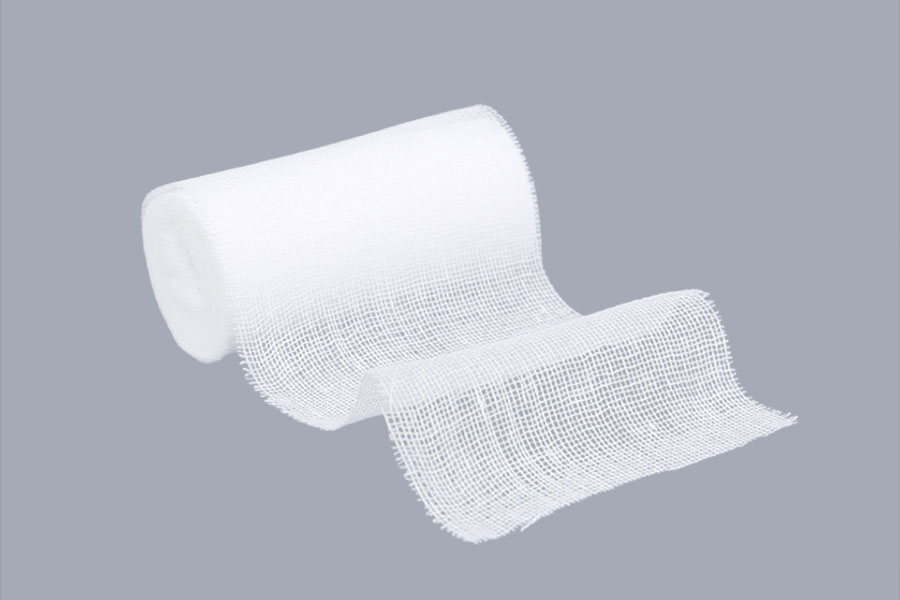 Cotton Non-Elastic Breathable Loose Woven Gauze BandageLightweight non-elastic cotton gauze for covering and protecting cuts, abrasions, burns, and oozing wounds; breathable and absorbent for first aid dressing changes.View Product →
How to Bandage a Knee Wound Step by Step
For a wound that is bleeding or oozing, work through these steps in order.
- Wash your hands thoroughly, and put on gloves if you have them.
- Press a clean pad firmly over the wound for five to ten minutes to stop the bleeding, and resist the urge to lift it and check.
- Rinse the wound under clean running water and gently remove grit. Mild soap around the edges is fine; alcohol and hydrogen peroxide on the wound bed are not.
- Pat the surrounding skin dry and place a sterile or clean dressing over the wound. A non-adherent pad helps if the surface is raw or oozing.
- Wrap from below the wound upward, overlapping each turn by about half the bandage width and keeping the tension even.
- Check the toes for warmth, colour, and sensation. Tingling, numbness, or a cold, pale foot means the wrap is too tight.
- Secure the end with tape or a self-adhering bandage rather than a knot, and avoid placing tape directly over the wound.
Wrapping technique for a joint that bends
A straight spiral works for the thigh and calf, but the knee itself does better with a figure-of-eight. Angle each turn slightly so the bandage crosses behind the knee rather than bunching there, and keep every layer flat against the skin. You should still be able to slide one finger under the edge of the wrap. If the knee is swollen, re-wrap it later in the day rather than tightening it further.
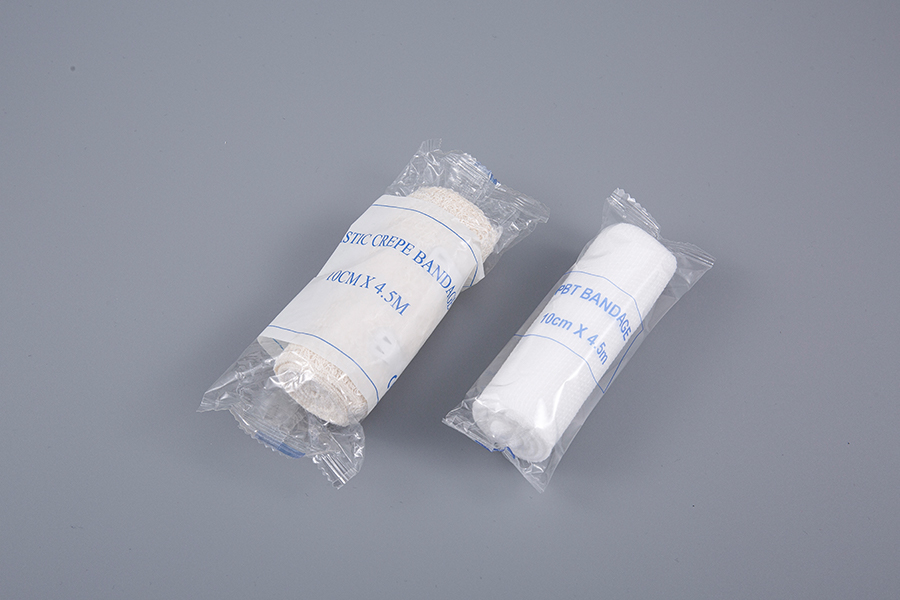 Breathable Lightweight Woven Elastic Crepe BandageLightweight cotton-blend crepe bandage providing mild compression and support for minor sprains, strains, swelling, and securing dressings; breathable and reusable after washing.View Product →
Small Grazes and Deeper Knee Wounds
A shallow scrape that oozes a little will usually settle under an adhesive dressing or a small bandage that you change daily. Deeper wounds behave differently. If the skin is split open, if the edges gape, if something is embedded, or if bleeding will not stop after ten minutes of firm pressure, the wound needs clinical assessment rather than a better bandage.
Location matters too. A wound on the kneecap is rubbed with every step, while one behind the knee is stretched each time the joint bends, so both tend to need a dressing that conforms and stays flat.
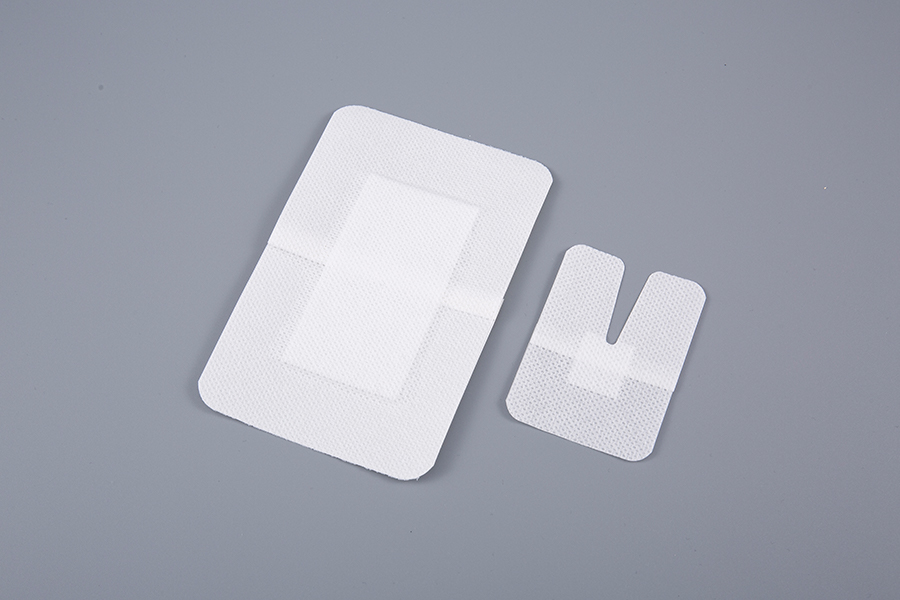 Adhesive Non Woven Absorbent Wound DressingNon-woven dressing with adhesive border and absorbent center; helps stay flat on moving areas, absorb fluid, and allow easy, less painful changes.View Product →
Keeping the Bandage in Place and Taking It Off Safely
- If the wrap rolls down, it was either too loose or finished too low. Re-wrap with more overlap and anchor the end with tape.
- If it itches, suspect trapped moisture or an adhesive reaction. Latex-free elastic and paper-based tapes are gentler on sensitive skin.
- Change the dressing at least once a day, and immediately if it becomes wet, dirty, or soaked through.
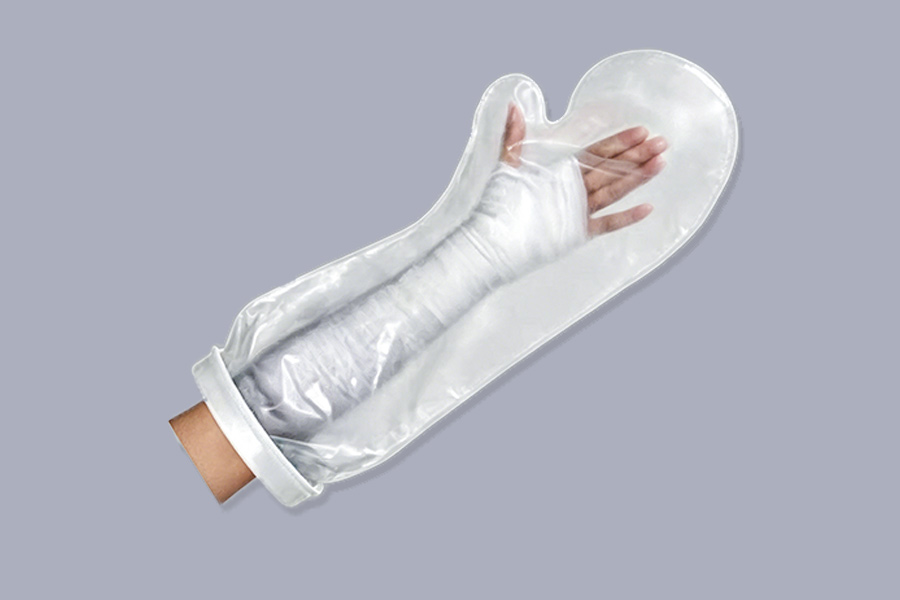
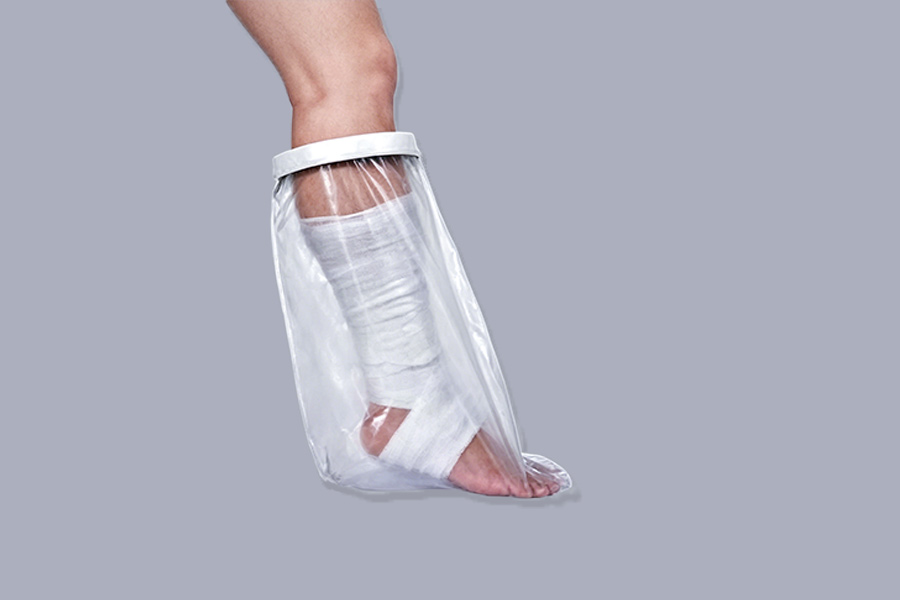
- For showering, cover the wrap with a waterproof protector or remove it, wash, and re-dress afterwards. Never leave a wet bandage on the skin.
- To remove adhesive products, peel slowly in the direction of hair growth while supporting the skin with your other hand.
Signs of Infection and When to Seek Care
Normal healing is a little sore, a little pink, and steadily improving. Contact a clinician if you notice any of the following:
- Pain that increases rather than eases after the first two days
- Redness spreading outward from the wound, or red streaks running up the leg
- Warmth, swelling, or a yellow-green discharge
- An unpleasant smell, or a wound that stays open
- A fever, chills, or feeling generally unwell
- Numbness, tingling, or a foot that turns pale and cold
Some wounds should be seen regardless of how well they look: deep cuts, puncture wounds, bites, wounds contaminated with soil or manure, and any injury in someone with diabetes, poor circulation, or a weakened immune system.
Choosing Knee Bandages for Clinics, First Aid Kits, and Retail
Buyers tend to settle on three or four widths, most commonly 5 cm, 7.5 cm, 10 cm, and 15 cm, and pair them with gauze or non-adherent pads in matching sizes. Sterility, elasticity, latex content, and retail packaging all affect where a bandage can be used: a hospital wants bulk non-sterile rolls, while a pharmacy shelf wants clearly labelled packs with instructions on the reverse. Kits for schools, worksites, and outdoor groups usually work best with cohesive bandages, which need no tape at all.
If you are building a first aid assortment, our first aid supply solutions cover the dressings and wraps that sit alongside bandages, and our note on everyday and emergency first aid bandages goes into more detail on specifications worth locking in before you order.
Frequently Asked Questions
Should a knee wound be covered or left open?
Cover it. A clean, moist, protected wound generally heals faster and with less scarring than one left to dry out, and the cover also keeps dirt away from a wound that sits close to the ground.
How often should the bandage be changed?
Once a day is a sensible baseline, and sooner if the dressing becomes wet, soiled, or bloodstained. Each change is also a chance to look at the wound and confirm it is improving.
What if the bandage gets wet?
Replace it. A damp bandage loses its hold, softens the skin underneath, and creates a warm, moist environment where bacteria do well.
Most knee wounds are minor, and the difference between a bandage that helps and one that annoys is usually technique rather than brand: the right type, the right width, even tension, and a fresh dressing when it needs one. Keep the wrap flat, keep it dry, and let the knee bend without fighting the bandage. If something about the wound worries you, trust that instinct and have it looked at.