English
 Français
 Español
 Português
 عربى
 日本語
 한국어
 русский

Do Silicone Sheets Work on Scars? What Clinics and B2B Buyers Should Know
Content
People ask us this question in almost every scar-care conversation: do silicone sheets really work, or are they just clever adhesive? The short answer is that they can work for many scars, especially raised scars, but the result depends on the scar, the timing, and whether the sheet is actually worn. At Texnet, we supply wound-care and medical disposable products to clinics, distributors, and retail buyers, so we tend to look at scar products from both the clinical and the practical side.
This guide explains what silicone sheeting can and cannot do, how to use it sensibly, and what B2B buyers should check before adding a scar-care product to a range.
Short Answer: Yes, With Important Caveats
Silicone sheets can improve the appearance of scars. Clinical reviews and decades of practical use support silicone gel sheeting as a non-invasive option for hypertrophic and keloid scars. Users often report that scars feel softer, look flatter, and itch less. But silicone is not a laser, a steroid injection, or a surgical revision, and it will not erase a scar. It is a supportive treatment that works gradually, usually over weeks to months, and it works best on healed, closed skin.
The key word is “consistent.” A silicone sheet that is worn for two hours on Saturday and then forgotten will not do much. A sheet that stays in contact with the scar for most of the day, over several weeks, has a much better chance of making a visible difference.
How Silicone Sheets Work on Scars
The hydration and occlusion effect
Silicone sheets do not “feed” silicone into the scar. They form a semi-occlusive barrier over the skin. That barrier increases hydration of the outer skin layer, which is thought to reduce excessive collagen production and improve scar pliability. Researchers have also proposed effects on oxygen tension, local temperature, and gentle mechanical pressure. The exact mechanism is still debated, which is why good reviews describe silicone as effective but not fully understood rather than miraculous.
In practical terms, the sheet creates a stable, moist micro-environment and applies light pressure. That combination seems to help raised scar tissue remodel over time. It also protects the scar from friction and drying, which can reduce itching and discomfort.
What the evidence says
The strongest evidence is for hypertrophic and keloid scars. Studies and systematic reviews generally show improvement in scar thickness, color, and symptoms when silicone sheeting is used consistently, compared with no treatment or with non-silicone dressings. Evidence for mature, flat, or atrophic scars is weaker. That does not mean silicone cannot help comfort or texture, but expectations should be realistic. If a scar is painful, rapidly growing, or crossing a joint, a clinician should assess it before self-treatment. We cover the mechanism in more detail in our guide to how silicone sheets help scars heal.
Which Scars Respond Best?
Not every scar behaves the same way. The table below gives a practical view of what silicone sheeting can reasonably be expected to do.
| Scar type | Likely response | Practical note |
|---|---|---|
| Hypertrophic scars | Good; softening and flattening are commonly reported | Start after wound closure; aim for 12–24 hours per day |
| Keloid scars | Moderate to good as part of a clinical plan | Often needs longer use, sometimes three to six months or more |
| Atrophic or acne scars | Limited for indented contours | May improve texture and hydration, but not replace procedures |
| Stretch marks | Limited; slight texture improvement is possible | Consistency matters more than early results |
| Mature or flat scars | Low to modest | Comfort and sun protection may matter more than sheet use |
| Burn scars | Useful within a broader scar-management plan | Use after healing or grafting, with clinician guidance |
How to Use Silicone Sheets Correctly
Good technique makes a real difference. These steps are the ones we usually share with clinics and retail customers.
- Wait until the wound is fully closed and scabs have gone. Do not apply silicone to open, weeping, or infected skin.
- Clean and dry the scar and surrounding skin. Trim the sheet to cover the scar with a small margin, following the product instructions.
- Apply the adhesive side to the scar. If the sheet is non-adhesive, secure it with light medical tape or a sleeve, without pulling the skin.
- Build up wear time slowly. Start with two to four hours and increase toward 12–24 hours per day as tolerated.
- Remove the sheet once a day to wash the scar gently and rinse the sheet. Let both dry before reapplying.
- Replace the sheet when it loses tack or every one to two weeks. Continue for at least eight to twelve weeks, and longer for keloids.
Limitations, Side Effects, and When Not to Use Them
Silicone is generally well tolerated, but it is not suitable for every situation. Keep these points in mind:
- Do not use silicone sheeting on broken, infected, or heavily weeping skin.
- Stop if you see a rash, blistering, or significant irritation; some users react to the adhesive rather than the silicone.
- Remove the sheet if the skin becomes soggy or macerated, and allow the area to breathe.
- Sheets can be difficult to keep on joints, hairy areas, or highly curved scars; a silicone gel may be easier there.
- Results vary. Silicone does not replace medical treatment for severe or symptomatic scars.
- Cost and daily discipline are real barriers; a product that is uncomfortable will not be worn long enough to help.
Silicone Sheets vs. Silicone Gel and Tape
Sheets, gels, and silicone tape all use silicone, but they suit different users. Sheets provide occlusion plus gentle pressure and are convenient for flat areas such as the chest, abdomen, or limb. Gels dry to a thin film and work better on irregular contours, the face, or hairy skin. Silicone tape is essentially a thin adhesive sheet, often useful for smaller scars and for people who want a low-profile option. No single format is clearly superior for every scar; the best one is the format the user will wear consistently.
What B2B Buyers Should Look For
For distributors, clinics, and retail buyers, the specification matters as much as the concept. Look for medical-grade silicone, a skin-friendly adhesive, consistent thickness, and clear instructions for wear and cleaning. Confirm biocompatibility, shelf life, packaging, and labeling claims for your market. Ask for wear samples and test how the edges behave on curved skin; a sheet that curls after an hour will not be worn for twelve hours. It is also worth checking whether the product is intended for single-use or repeated use, because that affects both patient guidance and complaint handling.
The product card below points to a silicone tape option in our range for buyers comparing formats.
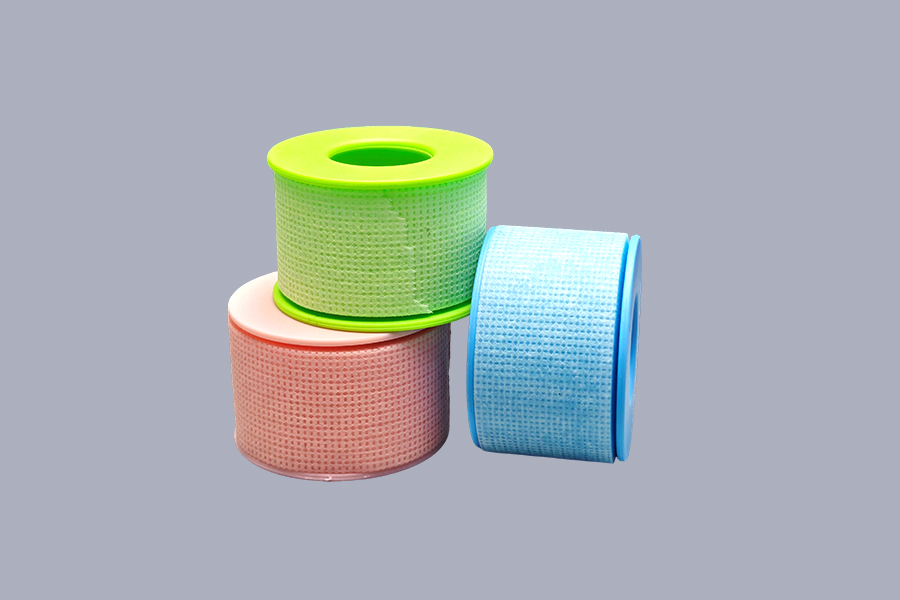 Easy-Peel Silicone Tape, 2.5 cm × 5 mEasy-peel medical-grade silicone tape on a plastic spool, available in three colors for buyers comparing clinic and pharmacy formats.View Product →
Our advice is to match the format to the market. A clinic may prefer a sheet that can be cut and secured under a dressing, while a pharmacy chain may want a pre-cut, easy-peel tape with consumer-friendly instructions. Both can work well when the product is designed around real use rather than only around a specification sheet.
Final Takeaway
Silicone sheets are not a miracle, but they are one of the better-supported home-care options for raised scars. Use them on closed skin, wear them consistently, and give them weeks rather than days. If you are a clinic or distributor selecting a scar-care product, choose a format people will actually keep using and support it with clear instructions. If you would like to discuss specifications or samples, our team is available through the contact page.