English
 Français
 Español
 Português
 عربى
 日本語
 한국어
 русский

Gel Foam Dressings: A Practical Sourcing and Application Guide for Wound Care Teams
Content
A gel foam dressing looks simple enough on the shelf: a soft pad, a gentle contact layer, and a backing that keeps exudate where it belongs. In daily wound care, that simplicity is exactly the point. Nurses need a dressing they can apply quickly, remove without tearing fragile skin, and trust to manage fluid without constant changes. For buyers and clinical teams, the challenge is not finding a foam dressing. It is choosing the right construction for the wound types your patients or customers actually see.
This guide walks through what gel foam dressings are, where they fit, how to apply them, and what to check before adding them to a hospital formulary or distributor range.
What Is a Gel Foam Dressing?
A gel foam dressing is a wound dressing that pairs an absorbent foam core with a gel-like wound contact layer, often a soft silicone gel. The foam takes up exudate and helps maintain a moist wound environment. The gel layer reduces adherence to the wound bed, which makes removal less painful and less likely to disturb new tissue.
Not every product described as “gel foam” is built the same way. Some use a perforated silicone gel sheet. Others use a soft silicone adhesive border, a thin film backing, or a foam core with different pore sizes. The common idea is a gentle interface plus absorbent foam, but the details affect performance, cost, and the wound types a product can serve.
The layers that matter
- Wound contact layer: Often silicone gel or soft silicone. It should sit flat, allow exudate to pass, and lift away without pulling on granulation tissue.
- Foam core: Absorbs and holds fluid. Thickness and pore structure influence capacity, conformability, and how often the dressing needs changing.
- Backing: May be semipermeable film, non-woven fabric, or an adhesive border. It protects the wound from contamination and helps the dressing stay in place.
Why Care Teams Choose Gel Foam Dressings
Gel foam dressings are popular because they solve several practical problems at once. They can handle moderate to high exudate, reduce the risk of maceration around the wound edge, and provide a moist healing environment. The silicone contact layer is especially useful for patients with fragile or sensitive skin, where tape and traditional adherent dressings can cause trauma.
- Gentle removal: Less pain and less damage to surrounding skin during dressing changes.
- Fluid management: The foam absorbs exudate while the backing helps prevent strike-through.
- Conformability: Soft foam versions fit curved areas such as heels, elbows, and sacral areas.
- Fewer disturbances: Some products can stay in place for several days, depending on exudate level and instructions for use.
These benefits are real, but they are not universal. A gel foam dressing is not the right choice for every wound, and a low-cost foam without a gentle contact layer may not deliver the same experience.
Where Gel Foam Dressings Fit in Practice
Gel foam dressings are commonly considered for wounds with moderate to high exudate and a need for atraumatic care. Typical examples include pressure injuries, leg ulcers, diabetic foot ulcers, donor sites, and some traumatic or surgical wounds. They can also be useful in palliative care when comfort during dressing changes is a priority.
They are a poor fit for dry wounds, wounds with hard eschar that need debridement, or wounds with uncontrolled infection. If the wound bed is actively bleeding, the dressing should not be used as a hemostatic product. Always confirm suitability with the clinical protocol and the manufacturer’s instructions for use.
A simple decision check
- Is exudate moderate to high?
- Is the surrounding skin fragile or at risk of tape damage?
- Does the wound need a moist interface without heavy adherence?
- Is infection controlled, or is the wound under appropriate review?
How to Apply and Change a Gel Foam Dressing
The exact steps depend on the product, but the general workflow is consistent. The aim is to keep the wound bed clean, protect the edges, and avoid unnecessary dressing changes.
- Assess the wound: size, depth, exudate level, tissue type, infection signs, and surrounding skin.
- Clean the wound according to your protocol and dry the surrounding skin gently.
- Select a dressing size that covers the wound and overlaps the edge without tension.
- Apply the contact layer directly to the wound bed. Avoid trapping air pockets or folding the edges.
- Secure the dressing with the built-in border or a suitable secondary fixation, depending on the product design.
- Record the application date and review frequency. Change the dressing when exudate reaches the edge, if it lifts, or as directed by the instructions for use.
Do not cut a bordered dressing in a way that opens the absorbent core unless the manufacturer allows it. If the wound is cavitated, use a product specifically designed for cavity care rather than folding a flat foam into the wound.
Choosing the Right Gel Foam Dressing for Your Line
For distributors and hospital buyers, the selection process goes beyond the label. Two dressings with similar names can differ in absorption speed, backing breathability, adhesion level, sterilization method, shelf life, and pack format. A product that works well in a clinic may be a poor fit for a home-care distributor that needs longer wear time and easy caregiver handling.
| Dressing type | Exudate level | Key strength | Watch-outs |
|---|---|---|---|
| Gel foam dressing | Moderate to high | Gentle contact layer and absorbent foam | May be too absorbent for dry wounds |
| Standard foam | Moderate to high | Good fluid handling and cushioning | Adherence can be an issue without a soft interface |
| Hydrocolloid | Low to moderate | Moist healing and protection | Not ideal for heavily exuding wounds |
| Gauze | Low to moderate | Familiar, versatile, and low cost | Can dry out and adhere to the wound bed |
For a deeper look at silicone foam constructions and buyer questions, see this silicone foam dressings buyer’s guide.
If you are building a range that includes both foam and film formats, our PU wound dressing page is a practical reference for a thinner, transparent option.
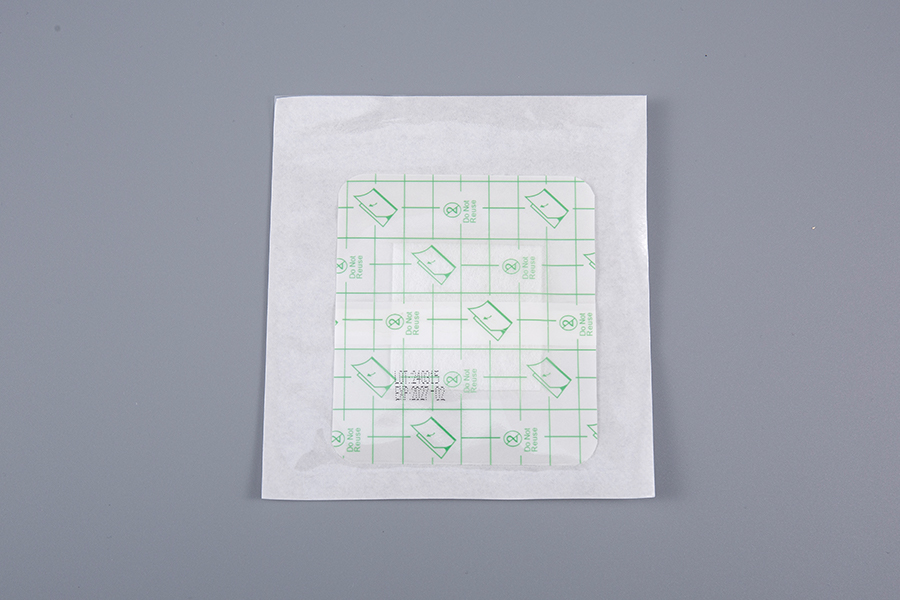 Transparent Waterproof PU Wound DressingA transparent PU dressing for small wounds and transfusion, offering waterproof protection and elasticity; available in 6×8, 8×10, and 10×12 cm.View Product →
For lower-exudate wounds or facilities that prefer an adhesive non-woven format, the non-woven wound dressing page is another useful reference.
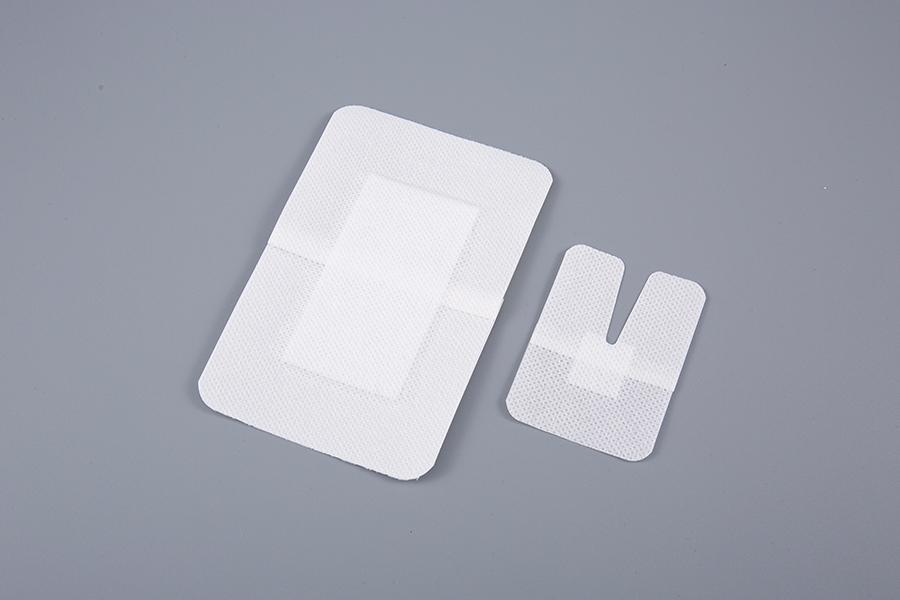 Sterile Adhesive Non-Woven Wound DressingSterile, individually packed dressing with an adhesive border and absorbent pad; available in waterproof and non-waterproof non-woven options for first-aid use.View Product →
When comparing offers, ask for samples, technical data sheets, sterilization information, shelf-life details, and packaging specifications. A clear specification sheet saves far more time than a low price that hides a handling problem.
Common Pitfalls to Avoid
- Using foam on a dry wound: It may absorb what little moisture is available and delay progress.
- Leaving the dressing too long: Exudate can reach the edge, leak, or macerate the surrounding skin.
- Ignoring infection: A dressing manages exudate; it does not replace wound infection assessment and treatment.
- Choosing by price alone: A cheaper dressing that needs more frequent changes may cost more in nursing time and patient discomfort.
- Poor sizing: Too small a dressing leaves the wound edge exposed; too large a border can wrinkle and lift.
Sourcing Gel Foam Dressings with Confidence
At Texnet, we spend a lot of time helping buyers compare dressing formats, not just prices. A gel foam dressing should be matched to the wound mix, the care setting, and the handling habits of the people who will use it. That is why we encourage sample trials, clear specifications, and honest conversations about what a product can and cannot do.
Our wider wound care range includes complementary formats such as PU wound dressings and non-woven adhesive dressings, which can sit alongside foam products in a hospital supply or distributor catalogue. If you are reviewing a tender, updating a formulary, or adding a dressing line for a new market, start with the wound types you need to serve and work backwards to the construction.
If you would like to discuss specifications, samples, or a mixed dressing range, contact our team. We will help you compare options in plain language and keep the focus on practical care.