English
 Français
 Español
 Português
 عربى
عربى 日本語
日本語 한국어
한국어 русский
Moist Wound Healing Products: A B2B Guide to Types, Costs, and Supplier Selection
Content
- 1 What is Moist Wound Healing and Why Does It Matter?
- 2 The 4 Key Mechanisms Behind Faster Healing
- 3 A Breakdown of 5 Essential Moist Wound Dressing Types
- 4 How to Choose the Right Dressing: A Decision Matrix
- 5 Cost Analysis: Are Advanced Moist Dressings Worth the Investment?
- 6 A B2B Buyer’s Checklist for Sourcing Moist Wound Care Products
- 7 Conclusion: Partnering with a Reliable Supplier for Optimal Outcomes
What is Moist Wound Healing and Why Does It Matter?
Moist wound healing accelerates closure by up to five times compared to dry healing. This concept, rigorously validated since George Winter’s pivotal 1962 study, centers on keeping a wound’s surface hydrated rather than letting a scab form. A moist environment traps natural wound fluid, which is rich in growth factors, enzymes, and immune cells. That fluid actively drives tissue repair while also cushioning nerve endings, reducing the pain patients experience during dressing changes.
Traditional dry healing allows a wound to desiccate and crust over. The resulting scab acts as a physical barrier that slows keratinocyte migration, prolonging inflammation and increasing the risk of a raised scar. In contrast, modern moist wound healing products—hydrocolloids, hydrogels, foams, alginates, and films—create a semi-occlusive or fully occlusive seal that maintains optimal moisture levels without causing maceration. The clinical advantages are unambiguous.
| Parameter | Moist Healing | Dry Healing |
|---|---|---|
| Average time to closure | 7–10 days | 21–26 days |
| Scar quality (VSS, lower = better) | 2.1 | 5.3 |
| Infection rate | 2.5% | 11% |
| Pain during dressing change (0–10) | 2 | 6 |
For a wound care buyer or hospital supply chain manager, these numbers translate into more than clinical comfort. Shorter healing cycles mean fewer dressing changes, lower nursing labor costs, and fewer complications that drive up overall treatment expense. The following sections unpack the science, the product categories, and the procurement logic behind moist wound care.
The 4 Key Mechanisms Behind Faster Healing
Moisture does not accelerate healing by chance. It orchestrates four distinct biological processes that dry environments suppress. Understanding these mechanisms helps procurement teams evaluate why a particular dressing design works and when it should be used.
- Autolytic debridement. Sustained moisture softens necrotic tissue and allows the body’s own enzymes—primarily proteases—to digest dead cells painlessly. No mechanical scrubbing is needed, preserving fragile granulation tissue.
- Keratinocyte migration. Keratinocytes must slide across the wound surface to close the defect. They move fastest through a hydrated matrix. A scab forces the cells to burrow underneath, tacking days onto the closure timeline.
- Growth factor activity. Platelet-derived growth factor, epidermal growth factor, and transforming growth factor-beta remain biologically active in wound exudate. Moist dressings keep these proteins concentrated at the wound surface, intensifying cell division and matrix production.
- Ordered collagen deposition. Collagen fibrils cross-link in a more regulated fashion when hydration is steady. The result is a thinner, stronger scar with significantly lower Vancouver Scar Scale scores than wounds that were allowed to dehydrate.
Each moist wound healing product type leverages one or more of these mechanisms through its specific engineering and polymer chemistry. The next section categorizes the five most common options.
A Breakdown of 5 Essential Moist Wound Dressing Types
Not all moist dressings behave the same way. Their fluid-handling capacity, adhesion, and wear time differ markedly. Procurement teams need to align product specifications with the wounds their end-users treat most often. The table below maps the five key categories against practical selection criteria.
| Dressing Type | Material & Key Feature | Ideal Wound Type | Exudate Handling | Typical Change Interval | Common Product Examples |
|---|---|---|---|---|---|
| Hydrocolloid | Gel-forming agents (CMC, gelatin) on PU film or non-woven backing; waterproof and occlusive | Low to moderate exudate, shallow wounds, pressure sores | Moderate absorption; traps moisture beneath the gel | 3–7 days | PU hydrocolloid dressings, border-style waterproof plasters |
| Hydrogel | High water content (70–90%) in sheet or amorphous gel form; donates moisture | Dry or minimally draining wounds, necrotic eschar | Minimal absorption; promotes autolytic debridement | 1–3 days | Amorphous hydrogel, hydrogel sheets |
| Foam | Polyurethane foam with semi-permeable outer layer; high absorbency | Moderate to heavily exuding wounds, skin tears | High fluid-locking capability; maintains moist surface without maceration | 3–7 days | Adhesive and non-adhesive foam dressings |
| Alginate | Calcium alginate fibres derived from seaweed; transforms into gel on contact with exudate | Heavily exuding or bleeding wounds, cavity wounds | Very high absorption; forms a soft gel to fill dead space | 1–3 days, or when strikethrough appears | Alginate rope, calcium-sodium alginate sheets |
| Film | Transparent polyurethane film with acrylic adhesive; breathable but waterproof | Superficial wounds with no exudate, IV sites, secondary dressing | No absorption; allows moisture vapor transmission | 5–7 days | Transparent film dressings |
Hydrocolloids with a PU film backing, such as the types available from specialized manufacturers, combine the bacterial barrier of a film with the fluid-handling of a hydrocolloid pad. That dual functionality reduces edge-lift and extends wear time, which directly lowers the total number of dressing units consumed per wound episode.
How to Choose the Right Dressing: A Decision Matrix
Matching a dressing to a wound requires assessing exudate volume, depth, and infection status. The matrix below translates wound characteristics into recommended moist wound healing products. Use it as a first-step reference when building a formulary for a hospital tender or a distributor product portfolio.
| Wound Presentation | Recommended Dressing Type(s) | Key Consideration |
|---|---|---|
| Dry, minimal exudate | Hydrogel, thin hydrocolloid | Needs moisture donation; avoid absorbent pads |
| Light exudate, shallow | Hydrocolloid, film backed pad | Waterproof backing protects skin and reduces change frequency |
| Moderate exudate | Foam, hydrocolloid | Match absorbency with wear time; check strikethrough |
| Heavy exudate, cavity | Alginate rope, high-absorbency foam | Fill dead space; consider secondary cover dressing |
| Necrotic, dry eschar | Hydrogel (sheet or amorphous) | Facilitates autolytic debridement; change every 1–2 days initially |
| Infected or critically colonized | Silver-impregnated foam, antimicrobial alginate | Adds broad-spectrum antimicrobial activity; monitor for silver sensitivity |
| Fragile periwound skin | Silicone border foam, soft silicone film | Minimize shear and adhesive trauma on removal |
For minor surgical incisions and superficial cuts, a simple adhesive wound plaster that maintains a moist environment can be sufficient. For complex chronic wounds, a combination of a primary dressing (alginate or hydrogel) and a secondary foam or gauze cover often yields the best balance of absorption and protection. Building a product line that covers this spectrum means fewer suppliers for the end customer and lower total procurement complexity.
Cost Analysis: Are Advanced Moist Dressings Worth the Investment?
Unit-price comparisons alone mislead procurement decisions. Moist wound healing products typically carry a higher per-unit cost than basic cotton gauze, but their true economic value emerges when total treatment cost is calculated. Fewer changes, faster closure, and fewer complications offset the initial price difference several times over.
| Cost Component | Sterile Gauze (Dry Healing) | Hydrocolloid Dressing (Moist Healing) |
|---|---|---|
| Unit cost | $0.20 | $3.00 |
| Change frequency per day | 2 | 0.33 (every 3 days) |
| Average healing duration | 21 days | 7 days |
| Total material units used | 42 | 3 |
| Total material cost | $8.40 | $9.00 |
| Estimated nursing labor per change ($5) | $210.00 | $15.00 |
| Total cost of care | $218.40 | $24.00 |
The savings come primarily from labor reduction and shortened treatment time. Even if the dressing unit price were twice as high, the math still favors the moist option. For bulk purchasers, this analysis supports shifting tender specifications from commodity gauze toward advanced moist dressings. Lower per-patient costs also improve the value proposition when selling to hospitals and home-care agencies.
A B2B Buyer’s Checklist for Sourcing Moist Wound Care Products
Sourcing the right supplier is as critical as choosing the right dressing. A checklist keeps procurement teams focused on compliance, logistics, and long-term partnership quality. Use the following criteria when evaluating a potential partner for moist wound healing products.
- Verify ISO 13485 certification and the manufacturer’s quality management system scope.
- Confirm FDA 510(k) clearance or CE marking for the specific dressings you intend to import or distribute.
- Assess product line breadth: a supplier that offers hydrocolloids, foams, alginates, films, and complementary items such as gauze reduces vendor fragmentation.
- Evaluate customization capabilities—can the factory adjust size, absorbency, packaging format, and private labeling to meet tender requirements?
- Request clear minimum order quantities (MOQ) and validated lead times. A typical MOQ for standard hydrocolloid dressings ranges from 5,000 to 20,000 pieces, depending on size.
- Inquire about sterility validation. Sterile dressings destined for operating rooms must have documented ethylene oxide or gamma radiation cycle certificates.
- Check international shipping compliance, including packaging for temperature and humidity control during transit.
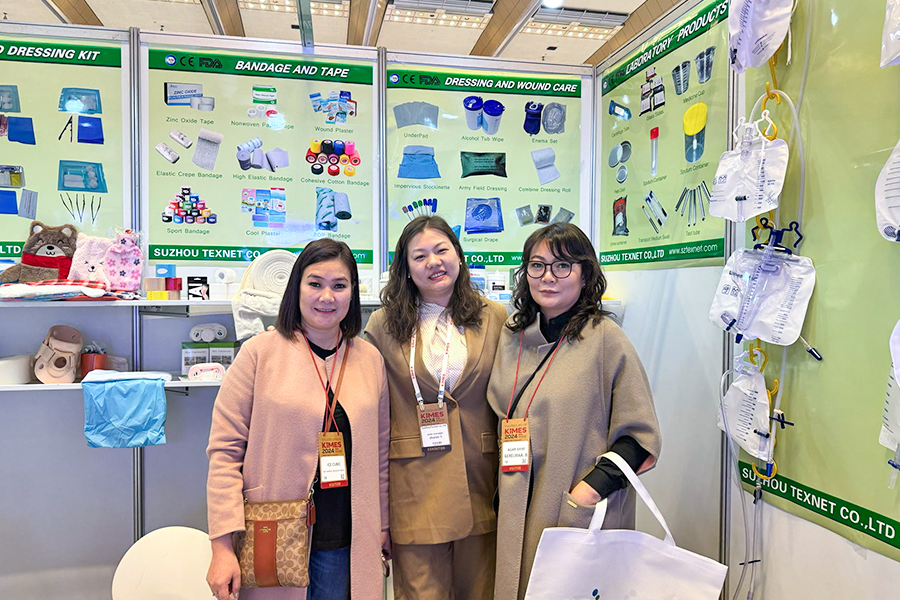
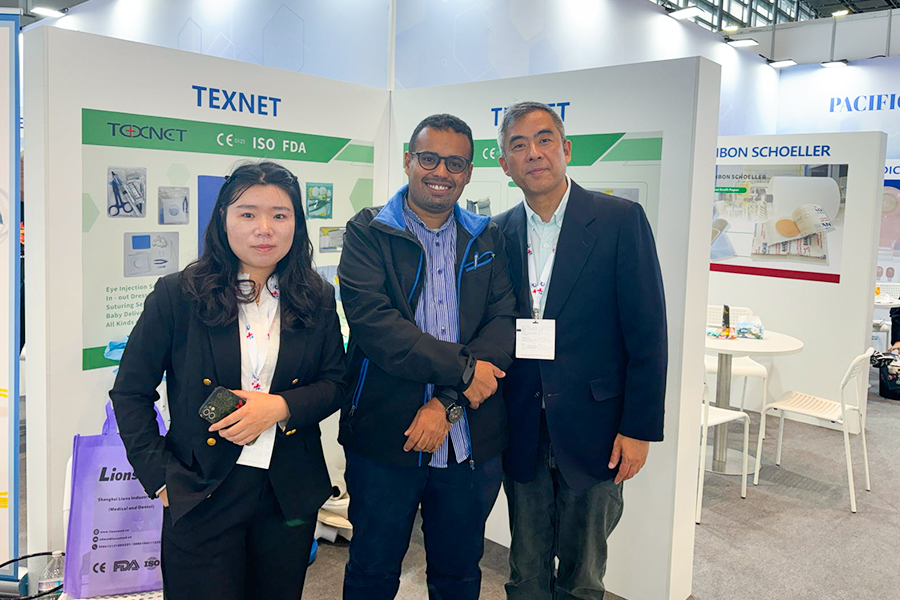
- Review the supplier’s exhibition presence. Regular participation at FIME, KIMES, or Medica signals a commitment to global standards and stable export capability.
When a single partner can deliver both wound plasters and high-end PU hydrocolloid dressings, procurement workflows become leaner. This integrated approach also simplifies regulatory documentation because quality systems and batch records remain consistent across product lines.
Conclusion: Partnering with a Reliable Supplier for Optimal Outcomes
Moist wound healing is no longer an academic discussion. It is the standard of care backed by decades of evidence, and the product categories that support it—hydrocolloid, hydrogel, foam, alginate, and film—cover virtually every wound scenario a healthcare provider faces. The data leaves little room for debate: wet healing cuts closure time, reduces scarring, and slashes the total cost of care compared to dry gauze regimens.
For medical distributors and hospital purchasers, the opportunity lies in building a curated portfolio of moist wound healing products that balances clinical performance with supply chain reliability. Selecting a manufacturer that meets ISO and FDA standards, offers customization, and maintains realistic MOQs turns a commodity transaction into a strategic advantage. Request a product catalog, review the technical data sheets, and start quantifying the per-patient savings your next tender can capture.