English
 Français
 Español
 Português
 عربى
عربى 日本語
日本語 한국어
한국어 русский
Waterproof Bandage for Stitches: A Practical Buyer and Care Guide for Clinics
Content
- 1 A Waterproof Bandage for Stitches Is a Small Piece of Engineering
- 2 What a Waterproof Bandage for Stitches Needs to Do
- 3 Materials and Formats That Make Sense
- 4 Comparing Common Waterproof Bandage Formats
- 5 How to Apply a Waterproof Bandage Over Stitches
- 6 When Waterproof Does Not Mean Risk-Free
- 7 Sourcing Checklist for Clinics and Distributors
- 8 A Practical Final Check
A Waterproof Bandage for Stitches Is a Small Piece of Engineering
When someone leaves a clinic with sutures, the dressing has a simple job that is not simple at all: keep the outside world away from a healing wound while letting skin breathe and move. A waterproof bandage for stitches has to do that in the shower, under a sleeve, or through a long shift. In our experience supplying wound care products to clinics, distributors, and first aid buyers, the best choice is rarely the thickest or the most aggressively sticky one. It is the one that matches the wound, the skin, and the expected wear time.
This guide is written for nurses, pharmacists, first aid suppliers, and sourcing teams who need a practical view. It is not a substitute for clinician instructions. If a wound is infected, heavily draining, or closed with sutures that need specific care, the clinical team's dressing plan comes first.
What a Waterproof Bandage for Stitches Needs to Do
"Waterproof" is a useful label, but it covers many different constructions. For a sutured wound, four functions matter most.
Keep External Water Out
A continuous backing film or tightly bonded adhesive edge helps block shower spray and splashes. That protection is useful after a wound has been checked and cleared for normal washing. It does not make the wound sterile, and it does not replace proper wound cleaning.
Manage Moisture Under the Dressing
Skin around sutures is often sensitive. If a dressing traps sweat and condensation, the skin can become soft and macerated. Breathable films and nonwoven backings are common choices because they balance water resistance with some moisture vapor transmission.
Stay Put Without Pulling
Adhesion should be firm at the edges and gentle at the center. A low-residue adhesive is helpful when the dressing must be changed often, and flexible backing matters around joints, the hand, or the neck. For fragile or older skin, a product that peels away cleanly can be more comfortable than a high-tack bandage.
Allow a Visual Check
Transparent films let a clinician or patient inspect the wound edges without lifting the dressing. Opaque nonwoven bandages may be more comfortable and absorbent, but they need to be changed according to the care plan so the site can be checked.
Materials and Formats That Make Sense
Waterproof bandages for stitches usually fall into three practical groups: transparent film adhesive bandages, waterproof nonwoven adhesive bandages, and waterproof tape used with a separate gauze pad. Each has a place. Film formats are useful when visibility matters. Nonwoven formats feel softer and can handle light exudate. Tape-and-gauze systems give clinicians more control over the pad size, but they take more time to apply and must be secured evenly.
For buyers looking for a shower-ready retail or clinical format, our waterproof bandage options are designed around secure edges and comfortable wear.
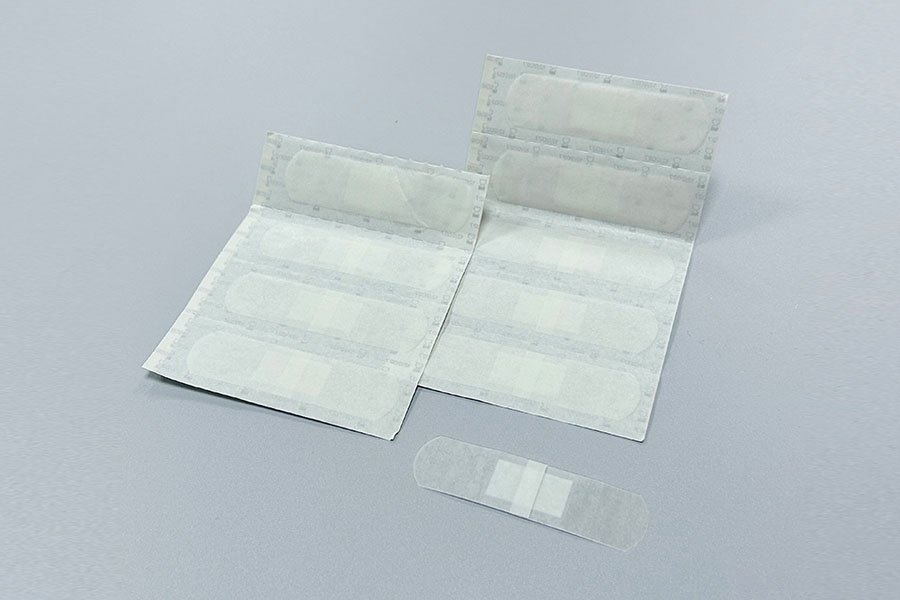 Waterproof Adhesive Bandages for Showering and SwimmingMoisture-resistant first aid dressings with flexible film and strong adhesive for secure wound protection during showers, swimming, or active use.View Product →
For fixation around a separate pad, transparent medical tape is another option in the supply mix. It should be selected for the specific backing and skin contact time, not simply because it looks clean.
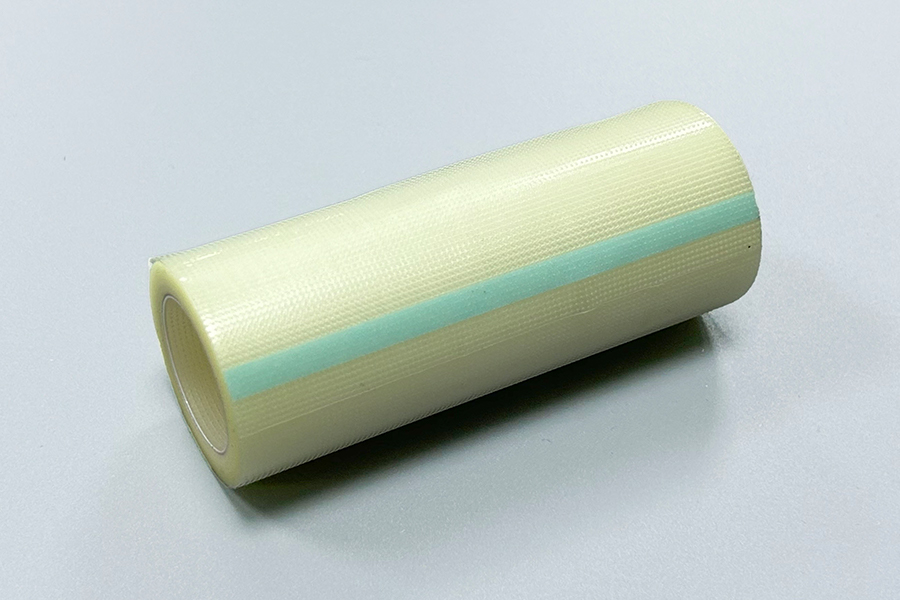 Transparent PE Polyethylene Tape in Multiple SizesClear polyethylene tape with strong adhesion and moisture resistance, available in multiple widths and lengths for sealing, bundling, and temporary repairs.View Product →
Comparing Common Waterproof Bandage Formats
The table below is a starting point, not a formulary. The right format depends on suture location, drainage, skin condition, and how long the dressing will stay in place.
| Format | Typical use | Points to check |
|---|---|---|
| Transparent waterproof film bandage | Small, dry sutured wounds; shower protection; visual checks | Moisture buildup, edge lift, adhesive sensitivity |
| Waterproof nonwoven adhesive bandage | Everyday coverage; slightly curved areas; retail first aid | Breathability, pad absorbency, residue on removal |
| Waterproof tape with gauze pad | Custom pad size; clinic-applied dressing | Even pressure, tape overlap, water entry at edges |
How to Apply a Waterproof Bandage Over Stitches
- Follow the care team's hand hygiene and wound inspection instructions before touching the dressing.
- Make sure the skin around the suture line is clean and dry. Moisturizers, oils, and ointments can weaken adhesion unless the clinician has approved them.
- Choose a bandage with an adhesive border that extends beyond the wound and the pad. The pad should not stick to the suture line.
- Peel the backing gradually and place the center over the wound without stretching the pad tightly across the skin.
- Press the edges down for several seconds. Warmth from clean fingers helps the adhesive settle.
- Check the edges after hand washing, sweating, or exposure to water. Lift and replace the dressing if water gets under the film or the seal fails.
- Change the dressing according to the care plan, or sooner if it is loose, soiled, wet underneath, or the wound looks different.
When Waterproof Does Not Mean Risk-Free
A waterproof bandage can keep water out, but it can also keep moisture in. That is why breathability and wear time matter. A dressing that stays on for days without inspection may hide redness, swelling, or drainage. Patients should follow their clinician's advice about showering, swimming, and exercise. Swimming is often a separate decision from showering, especially while sutures are still in place.
Do not use a waterproof bandage to cover a wound that is infected, heavily draining, or surrounded by broken skin unless a clinician has given specific instructions. Signs such as increasing pain, spreading redness, warmth, pus, or fever need medical review. A bandage is a protective layer, not a treatment for infection.
Sourcing Checklist for Clinics and Distributors
For B2B buyers, the specification is as important as the box design. A product that works well in a hospital may be wrong for a retail first aid aisle, and vice versa. In our conversations with distributors, the most useful starting point is the actual use case: who applies the dressing, how long it stays on, and what the skin is expected to tolerate.
- Backing material and adhesive type, including whether the product is intended for sensitive skin.
- Water resistance claim and breathability data, not just the word "waterproof" on the pouch.
- Available sizes and shapes for fingers, knees, elbows, and larger wound sites.
- Sterility status, shelf life, and packaging that protects the adhesive until use.
- Removal residue and comfort during frequent dressing changes.
- Compatibility with the rest of the wound care range, including gauze pads and fixation tapes.
If you are building a hospital supply list or a first aid assortment, our hospital supply solutions page shows how these items fit into a broader disposable range. It is also worth checking whether a waterproof bandage is being packed with incompatible ointments or loose gauze that can wick water toward the wound.
A Practical Final Check
We have learned that the best waterproof bandage for stitches is the one that stays where it should, comes off when it should, and does not hide a problem. Before choosing, confirm the wound status, skin sensitivity, expected water exposure, and change frequency. For clinics, standardize a small range instead of stocking every possible format. For distributors, review labeling, pack counts, and shelf life so the product still performs when it reaches the patient.
If you need help matching a format to your market, contact our team and describe the wound site, wear time, and packaging requirement. We will help you narrow the options without overcomplicating the choice.