English
 Français
 Español
 Português
 عربى
عربى 日本語
日本語 한국어
한국어 русский
Wound Dressing Products: A Complete Guide to Types, Uses & Buying Tips
Content
- 1 1. Why Wound Dressing Selection Matters
- 2 2. The 8 Main Types of Wound Dressings
- 3 3. When to Use Each Dressing: A Clinical Decision Guide
- 4 4. Cost & Procurement Considerations for Bulk Buyers
- 5 5. Key Certifications & Compliance for Wound Dressings
- 6 6. Common Mistakes in Wound Dressing Selection
- 7 7. How to Choose a Reliable Wound Dressing Supplier
1. Why Wound Dressing Selection Matters
Nearly 40% of chronic wound infections trace back to an unsuitable dressing choice. A product that wicks moisture too aggressively desiccates the wound bed; one that traps fluid invites bacterial colonization. The right wound dressing products do more than cover the injury—they actively control the healing microenvironment.
Switching from plain gauze to a modern silicone foam dressing, for example, can cut per‑wound care costs by over 20% across a treatment cycle. Fewer dressing changes, lower infection rates, and faster re‑epithelialization translate directly into measurable savings for hospitals and distributors. Antimicrobial dressings have been shown to reduce surgical site infection rates by up to 40% in high‑risk patients, making the upfront unit price almost irrelevant when total episode costs are tallied.
Procurement teams often fixate on the per‑unit sticker price. That misses the full picture. Staff time, secondary supplies, and complication expenses define the real financial burden. A well‑chosen dressing pays for itself faster than most administrators realize.
2. The 8 Main Types of Wound Dressings
Wound dressing products fall into eight clinically distinct families. Each handles moisture differently, interacts with the wound bed in a unique way, and suits a particular phase of healing. The table below distills the practical differences for quick comparison.
| Type | Material | Absorbency | Best For | Change Frequency | Cost Range (USD/unit) |
|---|---|---|---|---|---|
| Gauze | Cotton/polyester weave | Low to moderate | Packing, debridement, superficial coverage | 1–3× daily | $0.10–$0.50 |
| Non‑adherent | Viscose/polyester with low‑tack coating | Low | Donor sites, fragile skin, light exudate | Every 1–3 days | $0.30–$1.20 |
| Hydrocolloid | Gelatin/pectin/carboxymethylcellulose wafer | Moderate | Light‑to‑moderate exuding wounds, pressure ulcers | Every 3–7 days | $2.00–$6.00 |
| Foam | Polyurethane foam, often with silicone border | Moderate to high | Moderate‑to‑heavy exudate, protection over grafts | Every 3–5 days | $3.50–$9.00 |
| Alginate | Calcium alginate fibers from seaweed | Very high (20× its weight) | Heavily exuding or bleeding wounds, cavities | Every 1–3 days | $4.00–$10.00 |
| Transparent film | Polyurethane membrane with adhesive | None (vapor‑permeable) | Superficial, low‑exudate wounds; IV site protection | Every 5–7 days | $1.00–$3.50 |
| Silicone | Soft silicone contact layer with foam or film backing | Variable (foam‑backed) | Painful wounds, scar management, fragile periwound skin | Every 3–7 days | $5.00–$12.00 |
| Antimicrobial (silver/honey) | Dressing impregnated with silver ions or medical‑grade honey | Low to high (varies) | Infected or heavily colonized wounds, burns | Every 1–7 days | $6.00–$25.00 |
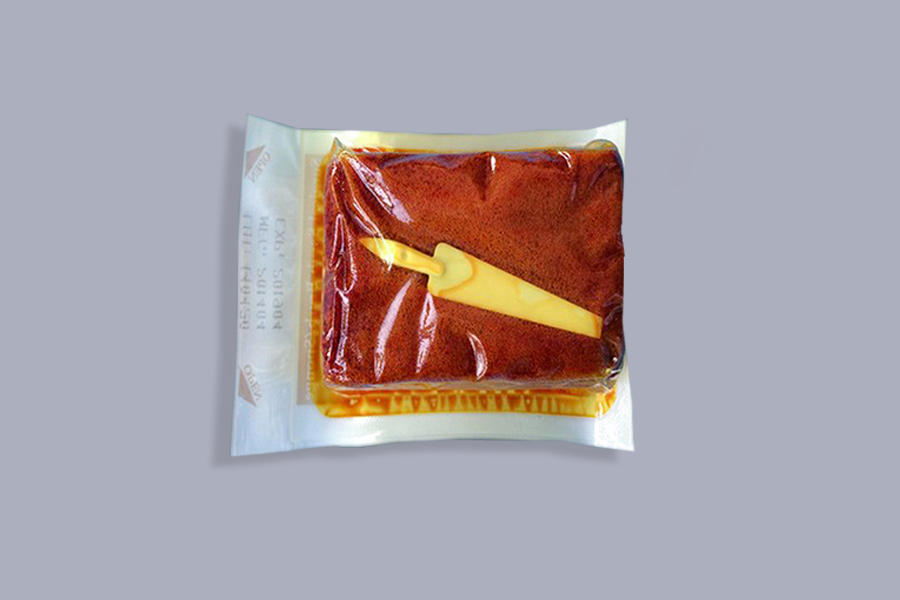
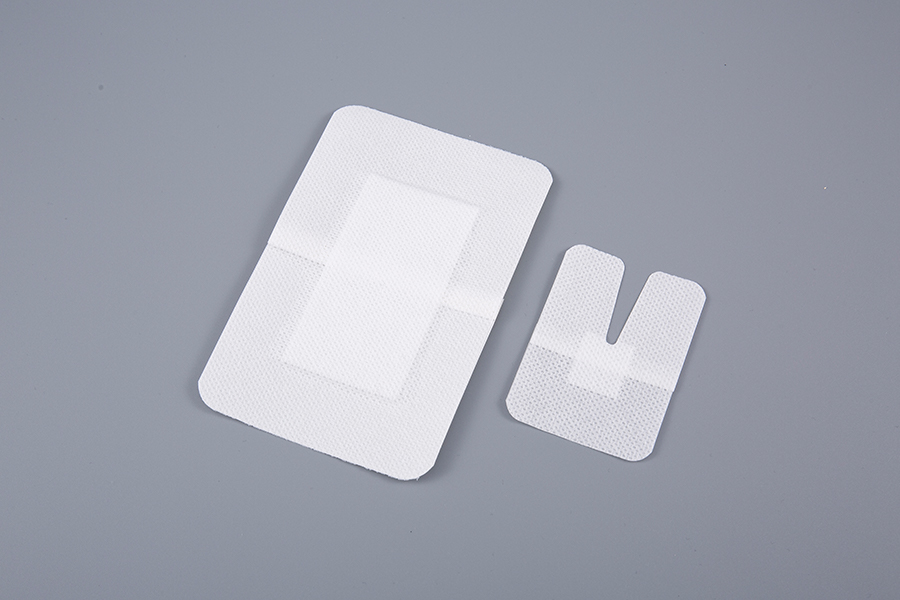
Many facilities bundle several of these types into single‑patient kits. Our adhesive non-woven wound dressing, for instance, provides a soft, low‑adherent surface ideal for clean, shallow wounds with minimal exudate, while a companion foam dressing handles heavier drainage. Pairing dressings according to exudate level reduces inventory clutter and speeds up bedside decision‑making.
3. When to Use Each Dressing: A Clinical Decision Guide
Matching a dressing to the wound’s characteristics prevents delayed healing and unnecessary pain. The matrix below links exudate volume and wound depth to the most effective dressing category. Use it as a starting point—then adjust for infection status and periwound skin condition.
| Wound Profile | Exudate Level | Depth | Recommended Dressing(s) |
|---|---|---|---|
| Clean surgical incision, no drainage | Low | Superficial | Transparent film, thin hydrocolloid |
| Abrasion or skin tear | Low | Superficial to partial | Non‑adherent pad, silicone contact layer |
| Pressure ulcer, stage 2 | Moderate | Partial thickness | Foam, hydrocolloid |
| Venous leg ulcer with heavy exudate | High | Partial to full thickness | Alginate or gelling fiber, covered by foam |
| Deep cavity wound after debridement | High | Full thickness | Alginate rope, antimicrobial packing |
| Donor graft site | Low to moderate | Superficial | Non‑adherent or silicone‑faced foam |
When infection is present, always select an antimicrobial dressing until the bioburden is controlled. Silver‑releasing foams or honey‑impregnated alginates work well here. Re‑evaluate every 48–72 hours; once the wound stabilizes, step down to a standard moisture‑balancing dressing to reduce cost and avoid cytotoxicity.
4. Cost & Procurement Considerations for Bulk Buyers
Unit price is only the first layer. A foam dressing quoted at $4.50 might actually cost less per patient‑day than a $0.30 gauze pad if it stays in place five times longer and eliminates twice‑daily nursing visits. Smart procurement weighs change frequency, ancillary supplies, and labour minutes against the upfront figure.
Volume commitments reshape the math dramatically. Orders exceeding 1,000 units commonly attract a 15–20% discount on standard sizes. Sterile packaging adds approximately 12–18% over non‑sterile equivalents, while custom die‑cut shapes can carry a 25–40% surcharge. Distributors who consolidate multiple dressing types under a single supplier often negotiate better blended rates. Our PU wound dressing line, for instance, offers volume pricing that positions high‑absorbency foam below the average market benchmark when ordered in case quantities.
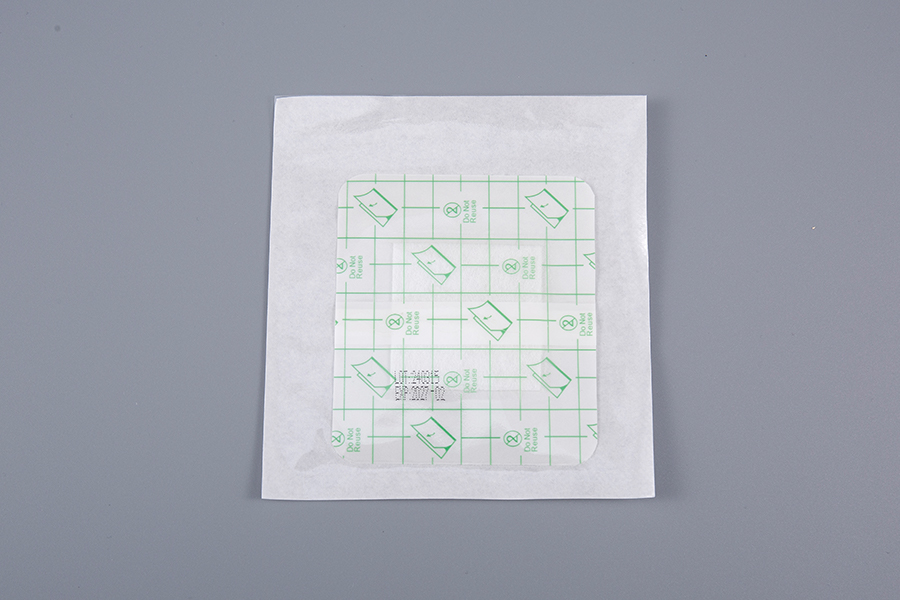
Packaging configuration also impacts landed cost. Single‑pouch presentations minimise waste in low‑volume clinics; multi‑packs cut handling time in high‑throughput operating theatres. Mapping the end‑user workflow before finalising the SKU prevents over‑spending on packaging you don’t need.
5. Key Certifications & Compliance for Wound Dressings
Regulatory alignment is a deal‑breaker in cross‑border trade. A dressing that lacks the right markings simply won’t clear customs in target markets. The three credentials that procurement teams must verify are:
- FDA 510(k) clearance — required for most wound dressings sold in the United States, demonstrating substantial equivalence to a predicate device.
- CE marking under MDR (EU) 2017/745 — mandatory for the European market; the transition to MDR added stricter clinical evidence requirements.
- ISO 13485 certification — the global quality‑management standard for medical devices, often a prerequisite before a supplier can even bid on public tenders.
Additional benchmarks like ISO 10993 biocompatibility testing and USP <797> sterile compounding standards signal deeper quality commitment. Buyers should request a current certificate package during the vendor qualification stage. A supplier that cannot produce an unexpired ISO 13485 certificate presents a real supply‑chain risk.
6. Common Mistakes in Wound Dressing Selection
Even seasoned clinicians fall into predictable traps. Recognizing them early preserves both the wound bed and the budget.
- Using gauze as a universal dressing. Dry gauze adheres to granulating tissue, tearing new epithelium at each change. Reserve gauze for mechanical debridement or heavily draining cavities that demand frequent packing.
- Ignoring periwound skin sensitivity. Aggressive adhesives macerate fragile skin around stomas or venous ulcers. Silicone‑bordered dressings slash the trauma of repeated application and removal.
- Overlooking exudate dynamics. A dressing that adequately manages Monday’s fluid may be overwhelmed by Wednesday. Nurses should adjust product choice as the wound moves from inflammatory to proliferative phases.
- Equating price with performance. The most expensive antimicrobial dressing offers zero advantage over a basic foam if the wound is not colonised. Match the technology to the actual microbial load.
- Skipping sample evaluation. A product that performs flawlessly in a competitor’s clinical trial may still cause localized irritation in a specific facility’s patient population. Free samples exist for a reason.
7. How to Choose a Reliable Wound Dressing Supplier
A consistent supply pipeline matters as much as the dressing itself. Factories that run short on raw materials, miss shipping windows, or provide inconsistent lot‑to‑lot quality can disrupt an entire wound care programme. Evaluate potential partners using the five dimensions below.
| Criteria | What to Look For | Scoring (1–5) |
|---|---|---|
| Production capacity | Monthly output, backup lines, raw‑material stockpiles | 1 = limited batch runs, 5 = fully redundant capacity |
| Lead time | Confirmed order‑to‑ship duration, peak‑season reliability | 1 = >60 days, 5 = consistent <21 days |
| Customization | Size, shape, sterile barrier configuration, private‑label options | 1 = off‑the‑shelf only, 5 = full OEM with in‑house design |
| Certifications | FDA, CE, ISO 13485, ISO 10993 | 1 = none, 5 = current across all target markets |
| After‑sales support | Complaint‑handling time, clinical resource availability, return policy | 1 = unresponsive, 5 = dedicated account team, 24‑h response |
Request three recent client references in your region. Walk through a real order scenario, from sample approval to final delivery, and note any friction points. Suppliers who offer customizable procedure kits often demonstrate tighter supply‑chain coordination, because assembling multi‑component kits forces them to manage more variables than a single‑SKU vendor ever does.