English
 Français
 Español
 Português
 عربى
عربى 日本語
日本語 한국어
한국어 русский
Paraffin Gauze Dressing: A B2B Buyer’s Guide to Brands, Costs & Clinical Use
Content
- 1 What is Paraffin Gauze Dressing? (Definition & Composition)
- 2 Top Clinical Applications: When to Use Paraffin Gauze
- 3 Paraffin Gauze vs. Other Non‑Adherent Dressings: A Comparative Analysis
- 4 Step‑by‑Step Application Guide for Clinicians
- 5 How Often Should You Change Paraffin Gauze? (Evidence‑Based)
- 6 A B2B Buyer’s Guide: What to Look for When Sourcing
Switching from dry gauze to paraffin gauze dressing can reduce pain scores by up to 50% during dressing changes and shorten epithelialization time by one to two days in skin graft donor sites. For wound care buyers and clinicians, this measurable advantage makes paraffin gauze a mainstay in formulary kits. But not all paraffin gauze dressings are equal—and the product you choose matters as much as how you apply it. This guide examines clinical uses, compares leading brands, and provides a structured sourcing approach for hospitals, clinics, and distributors.
What is Paraffin Gauze Dressing? (Definition & Composition)
Paraffin gauze dressing is a sterile, primary wound contact layer made from leno‑weave cotton gauze impregnated with white soft paraffin (petrolatum). The open mesh allows wound exudate to pass through to a secondary absorbent pad while the paraffin barrier prevents the fabric from adhering to the wound bed. Unlike traditional dry gauze, it does not tear newly formed tissue during removal.
The composition is simple but effective:
- Cotton gauze mesh – leno weave for stability and minimal fraying
- White soft paraffin (petrolatum) – non‑medicated, hydrophobic barrier
Key properties include non‑adherence, high conformability, and permeability. Most paraffin gauze is sterilized by ethylene oxide (EO) or gamma irradiation and supplied in individual peel packs. It is a single‑use device—re‑sterilization compromises the paraffin layer and risks lint contamination.
Top Clinical Applications: When to Use Paraffin Gauze
Paraffin gauze works best on superficial to partial‑thickness wounds where maintaining a moist healing environment and atraumatic changes are priorities. The table below maps wound types to clinical suitability.
| Wound Type | Recommendation | Rationale |
|---|---|---|
| Superficial & partial‑thickness burns | Recommended | Protects fragile epidermis, reduces pain during changes |
| Skin graft donor sites & grafts | Recommended | Low adhesion supports epithelial migration; documented pain reduction |
| Chronic leg ulcers (low‑moderate exudate) | Conditionally recommended | Maintains moisture; requires close exudate monitoring to avoid maceration |
| Clean surgical incisions | Conditionally recommended | Use as primary layer under absorbent pad; avoid on heavily draining incisions |
| Abrasions, lacerations | Recommended | Prevents scab adherence; comfortable for patients |
| Full‑thickness burns with eschar | Not recommended | Requires debridement; paraffin does not address deep eschar or heavy contamination |
| Heavily infected, high‑exudate wounds | Not recommended | Insufficient absorption; combine with antimicrobials and higher‑absorbency dressings |
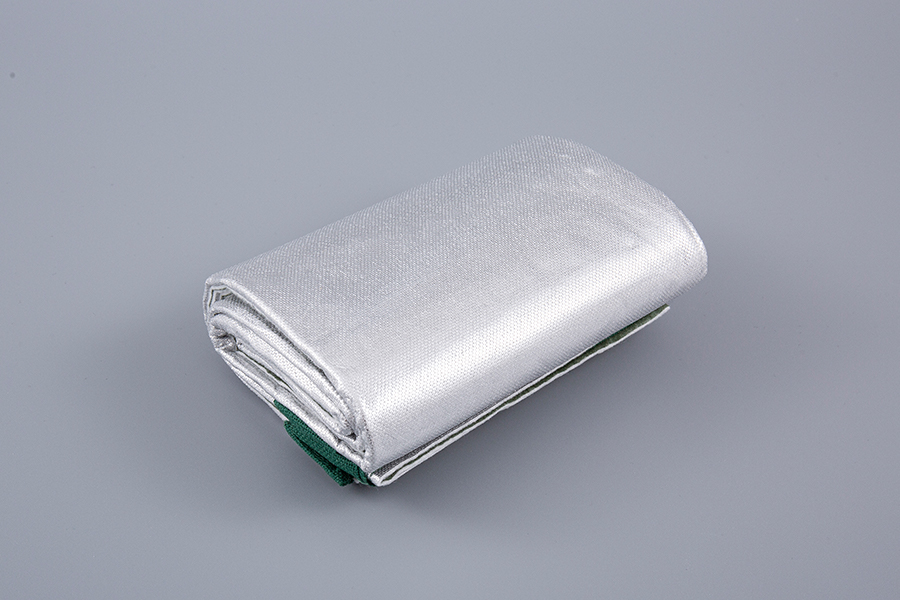
For partial‑thickness burns, paraffin gauze is often the first‑line primary dressing. In burn kits, it is typically paired with a secondary absorbent layer and a conforming bandage. Our burn dressing sets integrate paraffin gauze as the initial non‑adherent contact layer for simplified wound management. Always inspect the wound for signs of infection or excessive exudate before each application.
Paraffin Gauze vs. Other Non‑Adherent Dressings: A Comparative Analysis
Three non‑adherent wound contact technologies dominate formularies: paraffin gauze, silicone‑coated dressings, and hydrocolloids. Each behaves differently in adhesion, exudate handling, and cost structure. The matrix below helps clinicians and procurement teams match the dressing to the wound and the budget.
| Parameter | Paraffin Gauze | Silicone Dressing | Hydrocolloid Dressing |
|---|---|---|---|
| Adhesion risk | Very low | Extremely low | Low |
| Exudate absorption | None – permeable; requires secondary pad | Minimal – relies on secondary pad | Moderate – absorbs and gels |
| Typical wear time | 24 – 48 hours | Up to 7 days | Up to 7 days |
| Unit cost per dressing | Low | High | Medium |
| Secondary dressing needed | Yes | Usually yes | No |
| Best suited for | Superficial burns, donor sites, clean surgical wounds | Fragile skin, skin tears, long‑wear low‑exudate wounds | Low‑moderate exuding chronic wounds, pressure ulcers |
Paraffin gauze delivers the lowest per‑dressing cost and proven outcomes in burn and donor‑site protocols. Silicone dressings offer longer wear time but come at a premium, making them less common in high‑volume acute burn units. Hydrocolloids eliminate the need for a secondary layer but are unsuitable for heavily exuding or infected wounds. For facilities standardizing on a cost‑effective, atraumatic primary layer, paraffin gauze remains the benchmark.
Step‑by‑Step Application Guide for Clinicians
Correct application technique directly influences healing and patient comfort. Follow these steps using a sterile no‑touch technique.
- Prepare the wound. Cleanse with sterile saline or as per local protocol. Pat surrounding skin dry while leaving the wound bed moist.
- Select and cut the dressing. Using sterile scissors, cut the paraffin gauze slightly larger than the wound margins. Avoid dragging or tearing the mesh to prevent frayed edges.
- Apply the primary layer. Place the gauze directly on the wound bed. If the wound surface is dry, lightly moisten the gauze with sterile saline to ensure full contact without sticking.
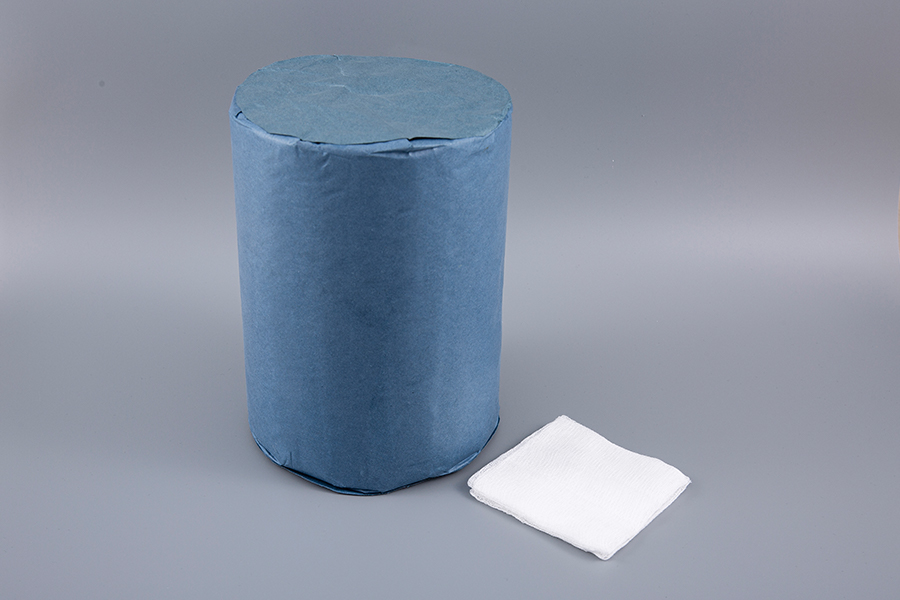
- Cover with a secondary absorbent dressing. Layer a sterile absorbent pad, gauze swab, or combine dressing on top to manage exudate. A gauze roll and bandage works well for securement.
- Fixate without tension. Use a conforming bandage, tubular net, or hypoallergenic tape. Avoid circumferential compression that could impair circulation.
Common errors include re‑using scissors across patients, overlapping healthy skin without a protective barrier (leading to maceration), and applying multiple paraffin layers that trap heat. Always document the date and time of application on the outer dressing.
How Often Should You Change Paraffin Gauze? (Evidence‑Based)
Change frequency balances maintaining a moist environment against the risk of maceration and bacterial overgrowth. Recommendations align with exudate volume and wound phase.
- Low exudate: Change every 48 hours. Typical for clean partial‑thickness burns and donor sites after epithelialization has started. Leaving paraffin gauze undisturbed for 48 hours minimizes mechanical trauma.
- Moderate exudate: Change every 24 hours. Venous leg ulcers and some surgical wounds often fall into this category. Inspect the secondary dressing for strike‑through; change sooner if saturated.
- High exudate: Change every 12–24 hours, but consider switching to an absorbent alternative (foam or alginate) if changes exceed once daily. Prolonged saturation of the secondary layer raises infection risk and may cause periwound maceration.
Paraffin gauze’s low‑adhesion property ensures dressing changes remain atraumatic even when changed more frequently, but timing should still be based on clinical wound assessment, not a fixed schedule alone.
A B2B Buyer’s Guide: What to Look for When Sourcing
Procuring paraffin gauze for a hospital group or distribution network requires more than clinical suitability. The checklist below covers the critical purchase dimensions that affect compliance, cost, and supply chain reliability.
Certifications and Regulatory Compliance
- CE marking (EU) or FDA 510(k) clearance (US) – non‑negotiable for tenders
- ISO 13485 quality management system certification
- Sterilization documentation: EO or gamma irradiation; EO‑sterilized products must meet residual limits per ISO 10993‑7
Brand Differentiation: Jelonet, Bactigras, and Cuticell Classic
| Brand | Manufacturer | Active Component | Common Sizes | Key Distinction |
|---|---|---|---|---|
| Jelonet | Smith & Nephew | Plain paraffin | 5×5 cm, 10×10 cm, 10×40 cm | Standard burn‑care reference; no antiseptic |
| Bactigras | Smith & Nephew | Paraffin + 0.5% chlorhexidine acetate | 10×10 cm, 10×40 cm | Antimicrobial activity for infection‑prone wounds |
| Cuticell Classic | Essity | Plain paraffin | 5×5 cm, 7.5×10 cm, 10×10 cm | High‑pliability mesh; softer drape |
Bactigras adds chlorhexidine, making it suitable when bacterial colonization is a concern. Jelonet and Cuticell Classic offer pure paraffin formulations—preferred for routine burns and donor sites where antimicrobials are unnecessary.
Customization, Packaging, and Logistics
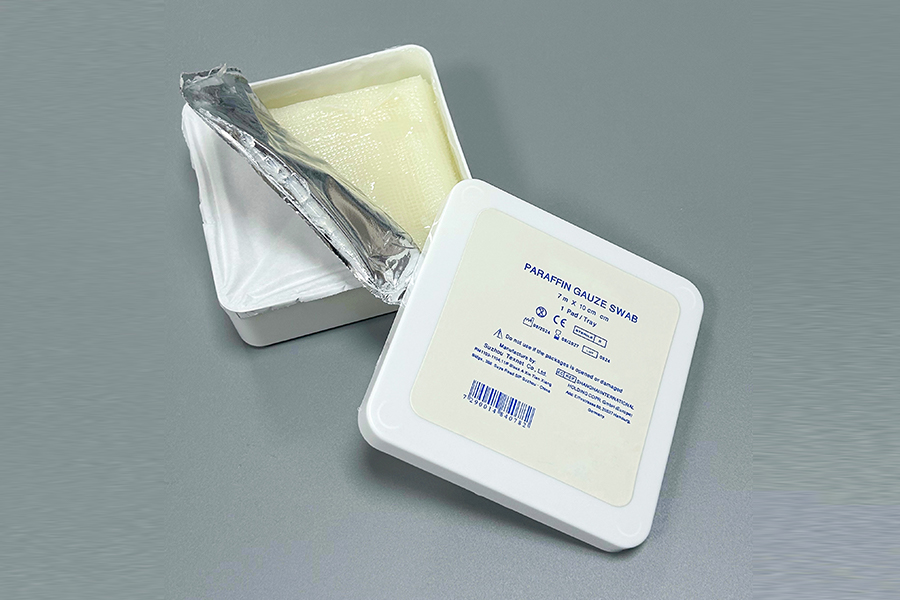
Hospitals buying in volume often need specific dimensions or packaging formats. As a manufacturer, we provide OEM solutions that include custom widths, zig‑zag folding for quick dispensing, and individual peel‑pack sterilization. Explore our zig‑zag folded paraffin gauze as an example of ready‑to‑use, low‑fray configurations.
Other procurement levers include:
- Minimum order quantity (MOQ): confirm supplier flexibility for pilot orders
- Secondary dressing bundles: combine paraffin gauze with absorbent pads and fixation products from a single source to reduce logistics cost
- Lead time and warehousing: manufacturers with consistent production cycles and international exhibition presence (FIME, KIMES) demonstrate supply reliability
Sourcing decisions that weigh both clinical performance and operational parameters protect budgets and patient outcomes alike.
From routine burn care to complex graft donor sites, paraffin gauze dressing remains a cost‑effective, evidence‑backed choice. Aligning clinical protocol with the right brand and procurement strategy ensures reliable outcomes and supply chain resilience.