English
 Français
 Español
 Português
 عربى
عربى 日本語
日本語 한국어
한국어 русский
Incontinence Control Devices: Prevent Leaks, Protect Skin & Dignity
Content
The practical difference between managing incontinence and simply absorbing leaks often comes down to one piece of equipment: a dedicated incontinence control device. While absorbent pads and underwear contain fluid after it leaves the body, a control device is engineered to prevent unintentional urine loss or divert it in a way that preserves skin integrity and dignity. For healthcare buyers and family caregivers alike, understanding that distinction is the first step toward a solution that reduces both infection risk and long-term cost.
What Are Incontinence Control Devices?
Incontinence control devices are mechanical or wearable products designed to stop urine from escaping the body or to channel it safely into a collection system. They differ fundamentally from absorbent products because they do not rely on trapping moisture against the skin. According to urology experts, external devices can protect the skin from the damage caused by constant exposure to urine, making them a preferred first-line strategy for many clinicians.
This category spans everything from a silicone sheath worn externally to a small vaginal insert that supports the bladder neck. It also includes surgically placed neurostimulators, although those fall outside the scope of disposable medical consumables and require a different decision-making process. The unifying principle is that each device interferes with the leakage pathway in a controlled, predictable way.
Who Benefits from Incontinence Control Devices?
Selecting a device starts with identifying the user's clinical situation and daily demands. A 55-year-old woman with mild stress incontinence who wants protection during a tennis match needs a different tool than a bedridden post‑operative patient requiring continuous closed drainage.
Groups that typically gain the most from these devices include:
- Men with moderate to heavy urinary incontinence who can manage an external condom catheter and value a non‑invasive option.
- Women with stress incontinence who prefer a removable vaginal pessary or urethral insert over surgery.
- Bedridden or post‑surgical patients who depend on a closed urine drainage system and our range of leg bags for mobile patients
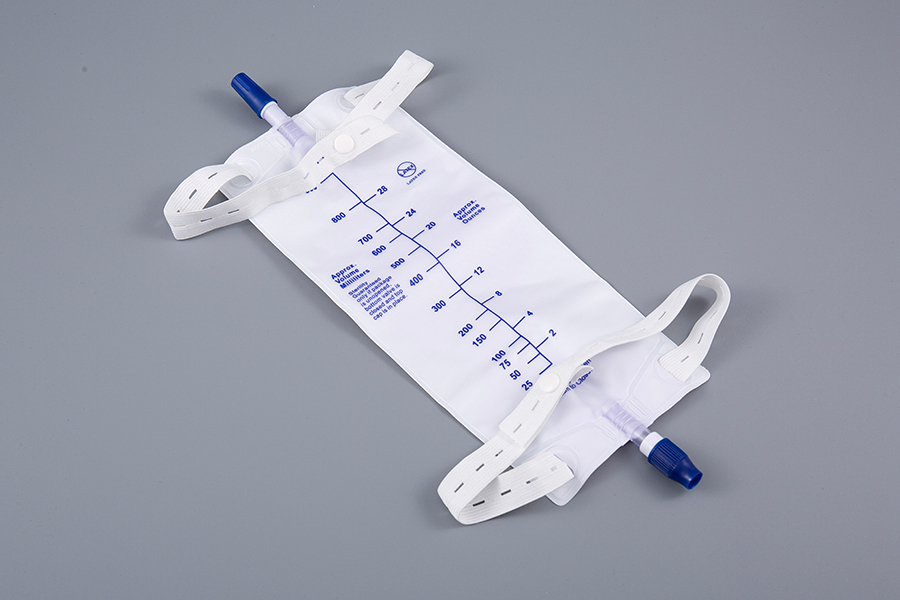 Custom Leg Bag Suppliers, Company - SUZHOU TEXNET CO., LTD.SUZHOU TEXNET CO., LTD. - China Leg Bag Suppliers and Company, Custom Leg Bag for sale, The leg urine bag is designed for comfortable and...View Product → during rehabilitation.
 - Individuals who have tried implantable neuromodulation and either did not respond well or seek a reversible, lower‑cost alternative.
- Healthcare facilities and resellers evaluating supplier‑quality external catheters and collection bags for consistent procurement.
In each case, the device must match the user's hand dexterity, leakage pattern, and lifestyle expectations. A product that cannot be changed independently or that compromises skin health will fail no matter how well it works mechanically.
Main Types of Incontinence Control Devices
Clinical literature and manufacturer data segment these devices into four broad categories. Each addresses a specific anchor point relative to the body, and the right choice usually becomes clear once that anatomical fit is assessed.
External Urinary Devices (e.g., Condom Catheters)
An external condom catheter is a silicone or latex sheath that rolls onto the penis and connects to a drainage bag. It works entirely outside the body, making it one of the safest options when anatomy allows. Application must be precise: the skin should be clean, dry, and free of hair around the shaft to create a reliable adhesive seal. Clinicians advise replacement approximately every 48 hours to prevent maceration and bacterial overgrowth. When a proper fit is achieved, men often prefer this route because it avoids urethral catheterization and allows normal mobility.
High‑quality materials matter here. A 100% silicone construction is less likely to cause sensitization than latex and handles temperature fluctuations without stiffening. For buyers who need a proven design, our male silicone external catheter product is engineered for secure adhesion and extended wear, reducing the frequency of disruptive changes.
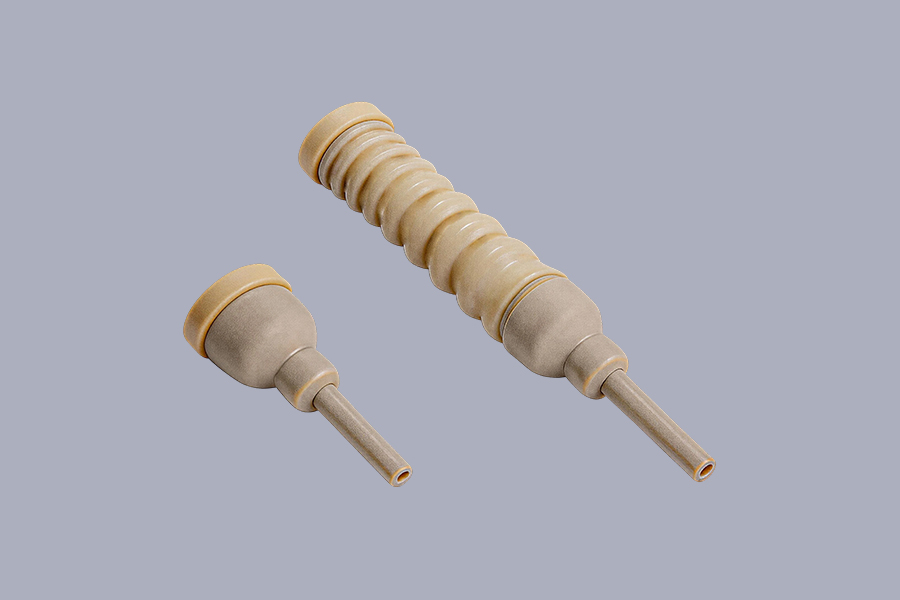 Custom Male Silicone External Catheters Suppliers, Company - SUZHOU TEXNET CO., SUZHOU TEXNET CO., LTD. - China Male Silicone External Catheters Suppliers and Company, Custom Male Silicone External Catheters for sale,...View Product →
Internal Vaginal Devices (Pessaries & Intravaginal Rings)
Vaginal incontinence devices support the bladder neck by lifting the urethra from inside the vaginal canal. They come in two common forms: a ring‑shaped pessary and an intravaginal support device that resembles a small cup or tampon. A physician initially fits the device, but many models are designed for self‑removal and periodic cleaning. Women who only need support during high‑impact activities often wear the device during exercise and remove it afterward, which lowers the long‑term risk of irritation. This category is particularly relevant for those who do not want a permanent implant or daily absorbent product.
Urethral Inserts & Bulking Agents
A urethral insert is a small, sterile plug that the user places into the urethra before activities likely to trigger leakage. It acts as a physical barrier and is removed before urination. Bulking agents, by contrast, are injectable materials delivered around the urethral sphincter in a brief office procedure; they narrow the opening and increase resistance to urine flow. Both approaches require a prescription and some degree of clinical involvement, but neither involves incisions or anaesthesia. While effective for stress urinary incontinence, they are not suitable for every anatomy, and a pre‑procedure evaluation is essential.
Implantable Neuromodulation Devices (e.g., InterStim)
Sacral neuromodulation systems use a small implanted generator to send mild electrical pulses to the sacral nerves, modulating bladder and bowel signals. One distinguishing feature is the ability to evaluate the therapy through an external trial period before committing to a permanent implant. Because these devices are surgically placed and managed by specialist teams, they represent a fundamentally different category than external or minimally invasive consumables. While Texnet does not supply neurostimulators, understanding this option helps frame the complete landscape, making it easier to see where high‑quality, non‑surgical consumable devices fill a critical gap for the majority of patients.
To summarise the practical differences that buyers and clinicians weigh every day, the table below compares key profile points across the four categories.
| Device Category | Body Interface | Typical User Autonomy | Procurement Path |
|---|---|---|---|
| External condom catheter | External, penile shaft | User or caregiver applied | Direct purchase, bulk |
| Vaginal pessary / ring | Internal, vaginal canal | Fitted by clinician, often self‑managed | Medical device supplier |
| Urethral insert / bulking agent | Intra‑urethral / peri‑urethral | Self‑placed or clinician procedure | Prescription, specialty clinic |
| Implantable neuromodulator | Surgically implanted, sacral nerve | Clinician controlled | Hospital / surgical centre |
How to Choose the Right Device: A Decision Guide
The most reliable way to narrow down options is to work through four practical filters. Using them in sequence often eliminates unsuitable categories before any product comparison begins.
Filter 1: Leakage trigger. Stress incontinence caused by coughing, lifting, or exercise usually points toward devices that provide mechanical support, such as vaginal pessaries or urethral inserts. Urge incontinence or mixed symptoms may require a different approach, and some of those patients end up considering neuromodulation. External catheters, however, offer reliable protection regardless of the trigger, provided the user is anatomically suited.
Filter 2: Manual dexterity and caregiving setup. A person with arthritis or limited hand strength might struggle with a small insert but manage a condom catheter with a simple rolling application. In contrast, a busy caregiver supporting multiple patients will prioritise speed, predictability, and a closed drainage system, which makes pre‑connected external catheters and leg bags especially practical.
Filter 3: Duration of protection. A two‑hour gym session calls for a removable intravaginal device or a urethral insert. Continuous, 24‑hour unmanaged leakage demands a durable external collection system. When the patient is bedridden or recovering from surgery, a closed urinary drainage setup with a leg bag or bedside collection bag becomes the standard of care.
Filter 4: Acceptability and risk tolerance. Some users will never accept an internal device, while others fear skin breakdown from adhesives. Matching the device to the user's psychological comfort is as important as matching it to their anatomy. Clinicians often start with the least invasive, easiest-to-remove option and escalate only if necessary.
Best Practices for Using External Devices Safely
Even the most carefully chosen device will cause complications if daily maintenance gets overlooked. The following practices, drawn from wound care and continence nursing guidelines, form a protocol that both institutions and home users can implement immediately.
Skin preparation and integrity checks. Wash and thoroughly dry the perineal skin before any device application. For external catheters, trimming hair around the penile shaft improves adhesion and reduces painful pulling during removal. Inspect the skin at each change for redness, maceration, or signs of fungal infection. Early intervention with barrier creams — carefully avoiding the adhesion zone — can keep skin intact through long‑term use.
Device change cadence. External catheters should be replaced at least every 48 hours, and more often if the seal breaks or skin becomes damp. Never attempt to reapply the same device; bacterial colonization multiplies quickly in the warm environment under the silicone. Drainage bags, whether leg bags or bedside bags, should be cleaned daily and replaced according to manufacturer specifications. For healthcare facilities, stocking a reliable source of single‑use products reduces the temptation to stretch replacement intervals.
Securement without constriction. A drainage bag strap applied too tightly can impair circulation and cause edema. Always check that you can slip two fingers comfortably between the strap and the limb. For patients who move between bed and wheelchair, ensure the tubing is routed to avoid kinks and that the bag remains below the level of the bladder at all times. Even a temporary backflow event raises the risk of urinary tract infection significantly.
Many of these safety routines depend on the quality of the consumables themselves. A catheter that loses its adhesive after a few hours or a bag with a weak anti‑reflux valve invites the very problems the protocol is designed to prevent. For facilities that manage high patient volumes, our complete line of urine collection bags is manufactured to support consistent, safe protocols without constant reordering or quality surprises.
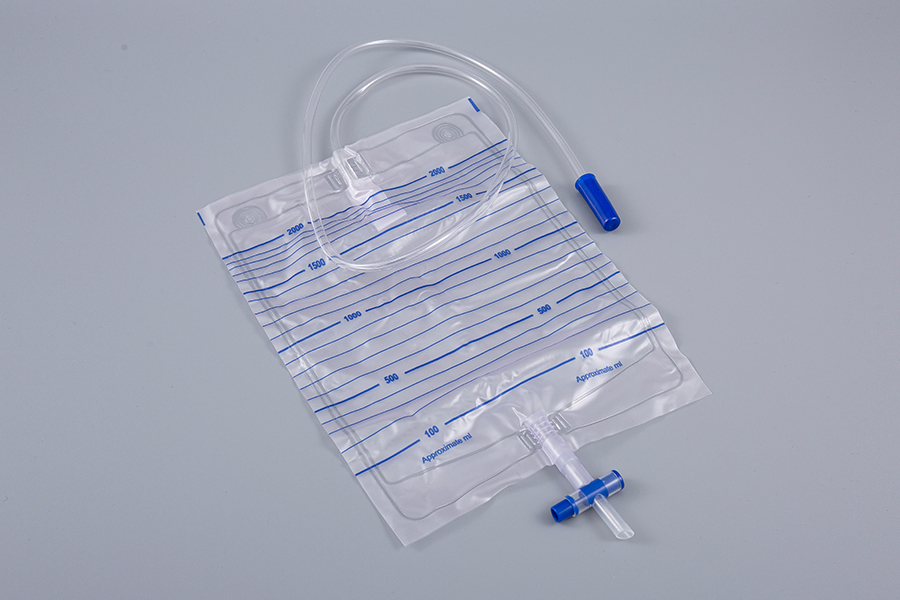 Drainage Bag Factory, Urinary Drainage Bags ManufacturersAs Urine Catheter Bag Manufacturers and OEM/ODM Urine Bag Factory, SUZHOU TEXNET offer Wholesale Drainage Bags for Catheter, China Urinar...View Product →
Disclaimer: This article is intended for educational purposes only and does not constitute medical advice. Always consult a qualified healthcare professional for diagnosis and treatment decisions related to incontinence.