English
 Français
 Español
 Português
 عربى
عربى 日本語
日本語 한국어
한국어 русский
Wound Healing Products: Practical Selection Guide for Medical and B2B Buyers
Content
A sourcing manager once asked us to recommend a single "best" wound healing product that could cover every line in a hospital tender. The honest answer is that no such product exists. The right product depends on the wound's exudate level, depth, infection risk, and how often the dressing can be changed. When the match is correct, the dressing supports the body's repair process and keeps nursing time reasonable. When it is wrong, even a premium product can delay healing, irritate the wound bed, or quietly drain a procurement budget through repeated changes and secondary dressings.
For distributors, hospital purchasing teams, and retail buyers, the practical question is therefore not "which brand is best" but "which category fits which wound, and what must I verify before ordering." This guide explains the main wound healing products, the situations each one is designed for, and the selection criteria that prevent costly sourcing mistakes.
Match the Wound Healing Product to the Wound Condition
The fastest way to shortlist wound healing products is to answer three questions: How much exudate is present? Is the wound bed intact or damaged? How long will the dressing stay in place? Everything else, including price, comes after these three. The table below groups the most common dressing categories according to those criteria.
| Product category | Best suited for | Exudate level | Typical application |
|---|---|---|---|
| Gauze dressings and swabs | Superficial wounds, cleaning, secondary covering | Light to moderate | Primary or secondary layer, usually combined with a bandage |
| Non-adherent pads | Abrasions, grazes, post-surgical incisions | Light to moderate | Contact layer that will not stick to the wound bed |
| Transparent film and PU dressings | IV sites, shallow wounds, closed surgical wounds | Low | Waterproof monitoring layer; can stay in place several days |
| Hydrocolloid dressings | Light to moderate exuding wounds, pressure areas | Light to moderate | Self-adhesive; forms a gel and suits low-change-frequency protocols |
| Foam dressings | Moderate to heavy exuding wounds | Moderate to heavy | Absorbent layer that maintains a moist healing environment |
| Alginate dressings | Heavy exudate and cavity wounds | Heavy | Used with a secondary dressing; gels on contact with fluid |
| Hydrogel dressings | Dry wounds, necrotic tissue, minor burns | Low | Donates moisture to rehydrate the wound bed |
| Burn dressings | Partial-thickness and superficial burns | Variable | Non-adherent layer with high absorbency |
If your order book covers hospital supply, first aid kits, pharmacy retail, and sports care, you will likely need several of these categories rather than one high-volume SKU. That is why experienced distributors treat wound healing products as a connected range and negotiate across categories with a single supplier.
The Main Wound Healing Product Categories Explained
Once the wound conditions are clear, individual categories become much easier to evaluate. The three groups below cover most procurement decisions in medical disposables.
Gauze, Swabs and Non-Woven Dressings
Gauze remains the workhorse of wound care. Sterile gauze swabs are used for cleaning, for packing, and as a covering on light exudate wounds. Woven gauze is inexpensive and versatile, but it can shed fibers and may stick to a healing surface if left in contact too long. For wounds that need a soft, lint-free layer, adhesive non-woven wound dressings provide more consistent absorbency, less fiber shedding, and better adhesion than a loose swab under a bandage. They are a common specification in outpatient and home-care protocols because patients do not need professional skill to keep them in place.
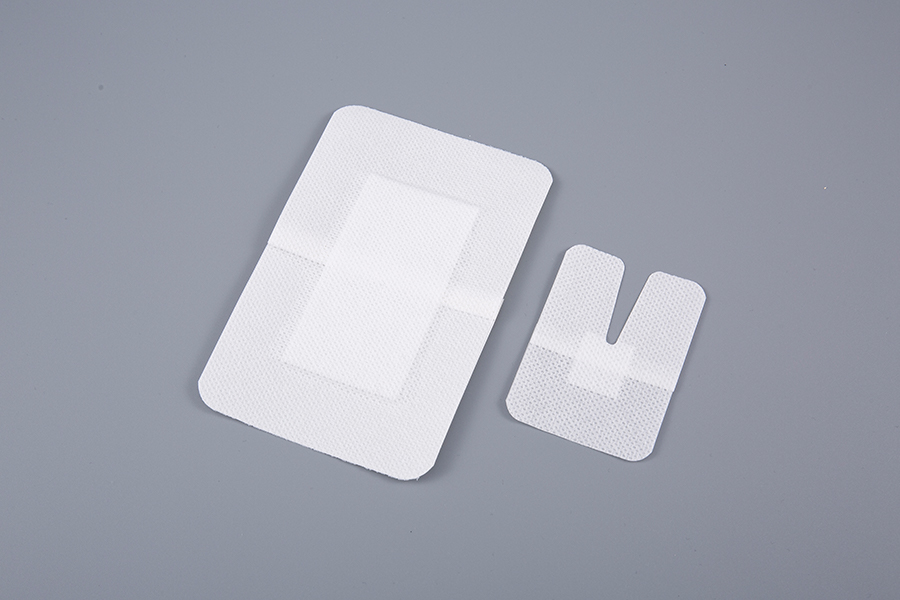 Custom Adhesive Non Woven Wound Dressing Suppliers, Company - SUZHOU TEXNET CO.,SUZHOU TEXNET CO., LTD. - China Adhesive Non Woven Wound Dressing Suppliers and Company, Custom Adhesive Non Woven Wound Dressing for sal...View Product →
Non-Adherent, Film and PU Dressings
When the wound bed is fragile or newly granulating, the dressing must not stick to the tissue it is meant to protect. Non-adherent pads sit directly on the wound surface and let exudate move into an absorbent secondary layer without damaging new cells during removal. For closed surgical wounds, IV catheter sites, and minor skin tears, a transparent PU wound dressing is a practical choice because it is waterproof and breathable, and clinicians can inspect the site without lifting the dressing. These products also perform well in retail lines because patients can shower with them, which is one of the first questions consumers ask.
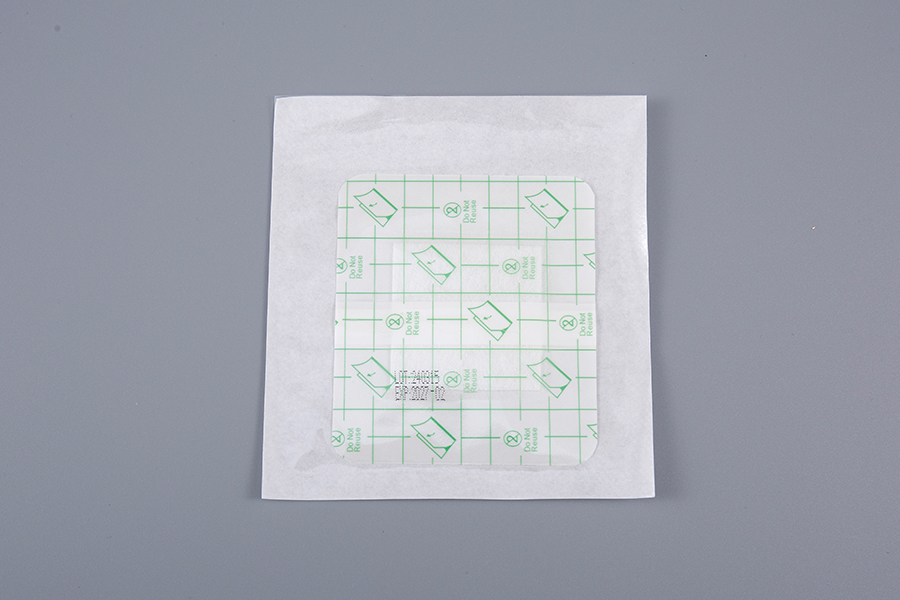 Custom Transparent Waterproof PU Wound Dressing Suppliers, Company - SUZHOU TEXNSUZHOU TEXNET CO., LTD. - China Transparent Waterproof PU Wound Dressing Suppliers and Company, Custom Transparent Waterproof PU Wound Dr...View Product →
Hydrocolloid, Foam and Specialty Dressings
Hydrocolloid dressings absorb light to moderate exudate and form a gel that protects the wound bed, which makes them popular for pressure areas and minor burns. Foam dressings handle heavier exudate and are common in chronic wound protocols, often changed every two to four days depending on the care plan. For partial-thickness burns, a dedicated burn dressing outperforms standard gauze because its non-adherent surface reduces trauma during dressing changes. Specialty categories such as alginate and hydrogel are usually ordered by hospitals and home-care providers rather than retail channels, but a distributor still needs them in the range to support clinical tenders.
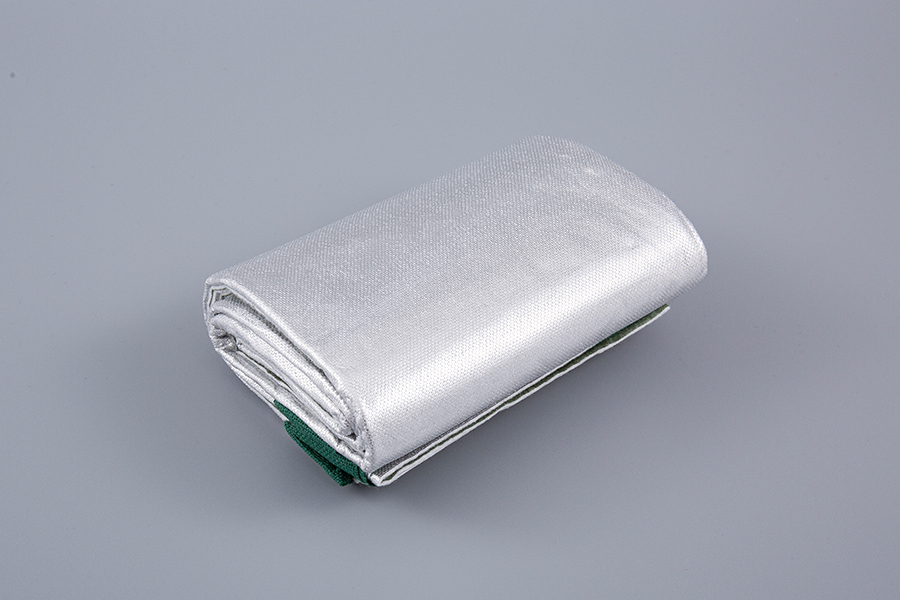 Custom Soft Comfortable Non-allergenic Burn Dressing Suppliers, Company - SUZHOUSUZHOU TEXNET CO., LTD. - China Soft Comfortable Non-allergenic Burn Dressing Suppliers and Company, Custom Soft Comfortable Non-allergen...View Product →
What to Check Before You Commit to a Supplier
Unit price is the last thing an experienced buyer compares. The following factors have a larger effect on patient outcomes, return rates, and margin.
Sterile vs Non-Sterile
Sterile wound healing products require validated sterilization, sealed packaging, and stricter documentation. Non-sterile gauze swabs and bandages are acceptable for cleaning and for external covering, but anything that contacts an open wound in a clinical setting is usually specified as sterile. The difference affects cost, shelf life, and regulatory classification, so review the sterile vs non-sterile product selection guide before you finalize a specification. This single decision prevents the most common mistake in hospital tenders: ordering the correct product in the wrong grade.
Cost per Dressing Change, Not Cost per Dressing
A low-priced gauze dressing that must be changed twice as often can cost more in nursing time, secondary dressings, and patient discomfort than a higher-priced product with a longer wear time. For procurement, the calculation should always include the primary dressing, the secondary covering, and the frequency of change. This is especially true for hydrocolloid and film dressings, which look expensive per piece but can remain in place for several days. Ask the supplier for the complete dressing protocol instead of a price list, and compare the total cost per healed wound rather than the cost per box.
Packaging, Sizes, and Documentation
Most sourcing delays are caused by three practical details that are easy to verify before signing an order:
- Pack configuration: single peel-open sterile packs for clinical use, multi-packs for retail shelves, or bulk packs for hospital wards.
- Size range: a complete wound care range needs small rectangles for fingers and toes, medium pads for post-surgical wounds, and large sizes for abdominal or donor-site areas.
- Adhesive profile: fragile and elderly skin responds better to silicone or paper-based adhesives, while active users need secure, waterproof adhesion.
- Regulatory documents and batch traceability: confirm that the documents match the destination market's requirements before you place a repeat order.
Building a Wound Healing Product Mix for Different Sales Channels
The ideal range depends on the customer. Hospitals expect sterile, single-use, clinically documented products. Pharmacies and supermarkets want consumer-friendly packs with plain-language instructions. First aid kit assemblers need compact, standardized components that work in combination with bandages and tapes. A practical mix looks like this:
- Hospital and clinic supply: sterile gauze swabs, sterile non-woven dressings, non-adherent pads, PU film dressings, cohesive bandages, and complete dressing sets for routine procedures.
- First aid and workplace kits: wound plasters, finger dressings, sterile non-adherent pads, triangular bandages, and gauze rolls in compact formats.
- Retail pharmacy and supermarket: waterproof plasters, skin-tone and transparent plasters, round plasters, and self-adhesive dressings with clear usage instructions.
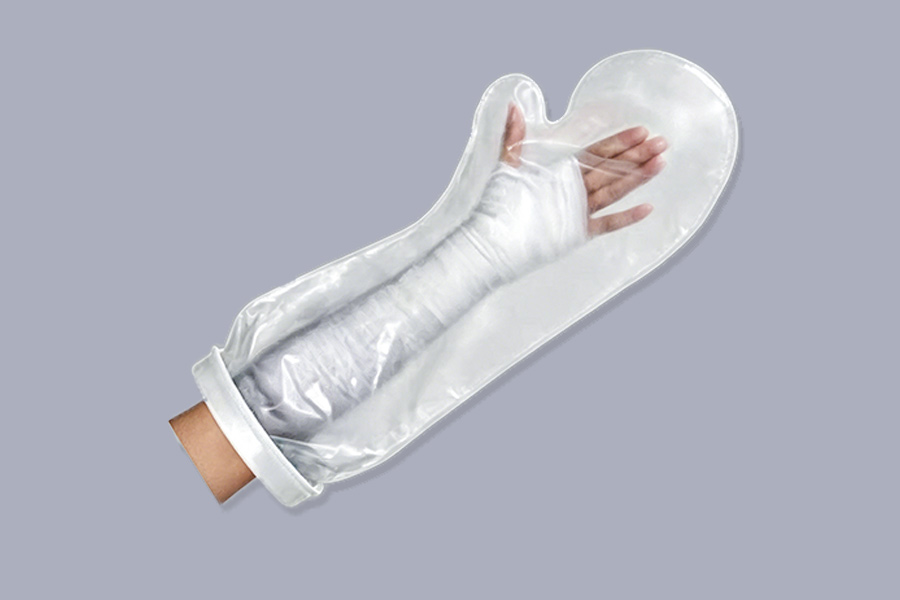
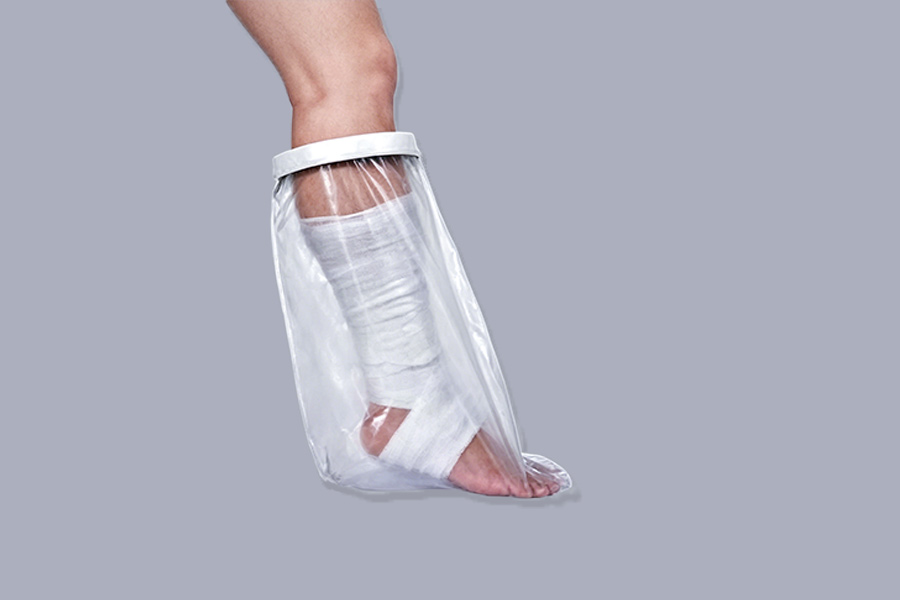
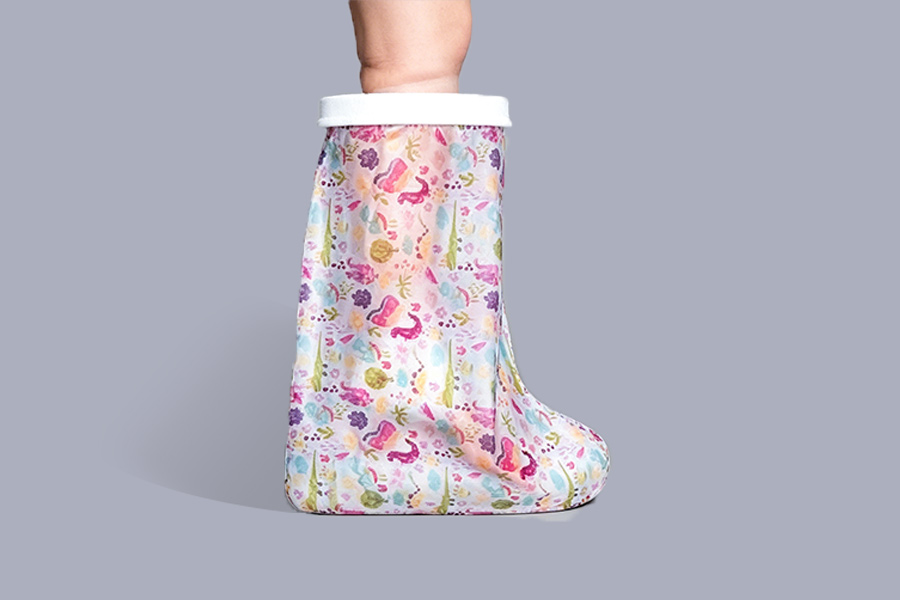
- Sports care: cohesive bandages, kinesiology tape, cold bandages, and waterproof cast covers for training-room and rehabilitation use.
A range like this also improves supply-chain efficiency. Instead of chasing separate suppliers for each category, a distributor can consolidate SKUs, negotiate better packaging, and reduce warehouse complexity. The full range of wound care consumables on a single product list makes it easier to serve hospitals, retail, and sports channels at the same time.
Prioritize Compatibility and Supply Stability
The final selection criterion is the supplier's ability to keep specifications consistent between batches. Wound healing products become part of protocols that nurses and patients rely on daily. If a dressing changes size, adhesion strength, or packaging between orders, the result is returns, complaints, and wasted clinical time. When you evaluate a medical disposables sourcing partner, request samples from the actual production batch, confirm packaging variants, and agree on batch traceability before scaling the order.
The products that heal wounds best are the ones that are appropriate, available, and consistent. Choose the dressing category according to the wound condition, build a range that covers the exudate levels you encounter in practice, and verify sterile status, packaging, and documentation before purchase. That approach protects both clinical reputation and commercial margin.