English
 Français
 Español
 Português
 عربى
 日本語
 한국어
 русский

Examples of Hydrogel Dressings: Common Forms, Clinical Uses, and Sourcing Tips
Content
Hydrogel dressings come up in almost every wound-care conversation we have with distributors, and the first question is usually the same: what are some real examples? The honest answer is that "hydrogel" names a material family rather than a single product. The examples run from a clear gel in a 15 g tube to a sterile sheet that stays on a partial-thickness burn for several days, and each one behaves quite differently on the shelf and at the bedside. Below we have gathered the forms our customers order most often, what each is genuinely good at, and the details worth checking before you commit to a full container.
What Makes a Dressing a Hydrogel?
A hydrogel is a cross-linked polymer network holding a large amount of water, usually somewhere between 80% and 95% of its total weight. The polymers themselves vary a lot: polyvinyl alcohol, polyvinyl pyrrolidone, carboxymethyl cellulose, sodium alginate, gelatin and various acrylates all appear in commercial products, sometimes blended with glycerin to slow moisture loss during storage.
That water content drives everything the dressing does. It rehydrates dry tissue, softens slough and eschar so the body can clear them naturally, and gives a cooling sensation that patients notice immediately on a burn or a radiation site. Because the gel is slippery and does not bond to the wound bed, removal is usually painless, a practical point that matters more than it sounds when you are dressing a child or an elderly patient with fragile skin.
The trade-off is mechanical strength. Most hydrogels cannot absorb much exudate on their own, so they are normally paired with a secondary dressing that holds them in place and takes up fluid.
Examples of Hydrogel Dressings by Form
The table below is a working index of the hydrogel products we see most often in B2B enquiries. Sizes and exact compositions differ from supplier to supplier, but the form categories stay fairly consistent across markets.
| Form | Typical construction | Where it is usually chosen |
|---|---|---|
| Amorphous gel | Sterile gel in a tube, syringe or sachet, with no backing layer | Dry, sloughy or necrotic wounds; filling cavities and undermining |
| Hydrogel sheet | Cross-linked gel sheet, often 2 to 3 mm thick, with or without an adhesive border | Superficial partial-thickness burns, donor sites, radiation dermatitis |
| Impregnated gauze | Gauze or non-woven carrier saturated with gel | Packing and conforming to irregular or awkward surfaces |
| Gel pad or burn pad | Water-based gel pad in a foil pouch, sometimes with a fabric backing | First-aid cooling and transport of burns |
| Hydrogel tape or strip | Thin gel layer coated onto a flexible film | Small abrasions, blisters, protection over intact skin |
| Cosmetic gel mask or eye pad | Single-use gel sheet shaped for the face or eye area | Cooling, post-procedure comfort, retail skincare |
Two notes from our own order history. First, amorphous gels outsell sheets by a wide margin in most export markets, simply because they cost less per application and pack more efficiently. Sheets, however, remain the default in burn units that want a dressing left undisturbed for days at a time. Second, the impregnated category is where quality varies most between suppliers; how much gel the gauze actually carries matters far more than the wording on the pouch.
Burn pads deserve a separate mention because they are often bought as a first-aid item rather than a ward product. A water-based gel pad that can be applied straight from the pouch, without touching the wound, fits the way ambulance crews and workplace first-aiders actually work under pressure.
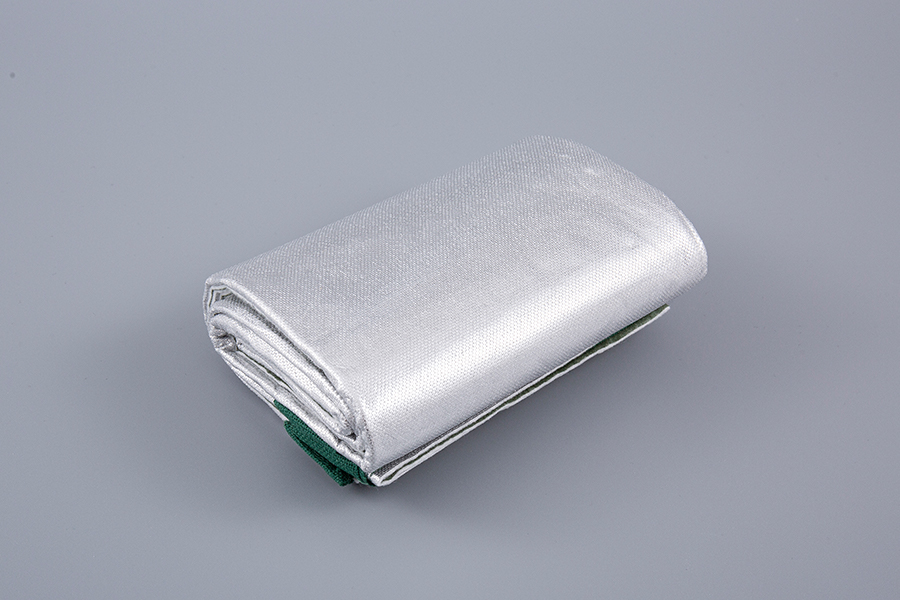 Soft Non-Stick Hydrogel Burn Dressing for First AidHydrogel burn dressing offers cooling and moisturizing relief for burns and scalds, with a non-stick design suited to first-aid and clinical burn care.View Product →
Where These Examples Turn Up in Practice
Burns and radiation dermatitis
Sheet hydrogels and gel pads are standard kit for superficial and partial-thickness burns, where cooling and moisture donation matter more than absorption capacity. The same logic carries into radiotherapy departments, where gel sheets are used on dry desquamation to soothe the skin and reduce the friction of clothing and linen.
Dry, sloughy and necrotic wounds
Amorphous gel earns its place on wounds with little exudate but plenty of dead tissue. Applied daily, it rehydrates hard eschar over several days and supports autolytic debridement without sharp instruments. On a pressure ulcer with a dry black cap, or a diabetic foot wound with stubborn slough, a gel in a syringe lets a clinician place the product precisely into an undermining rather than smearing it across the surface.
Surgical, ophthalmic and cosmetic uses
Smaller examples are easy to overlook. Gel eye pads appear after ophthalmic procedures and in cosmetic clinics; hydrogel facial masks belong to retail skincare rather than wound care; and precut gel strips are sold for blisters and friction hotspots. These sit in a different regulatory space from sterile wound dressings, and buyers normally source them through a separate channel with different packaging and labelling requirements.
Hydrogel, Hydrocolloid and Film: Clearing Up the Confusion
Buyers new to the category often use these three names interchangeably, and the mix-ups cause real problems when a tender document is being drafted. The distinction becomes obvious once the products are side by side.
| Category | Core material | Fluid handling behaviour | Typical use |
|---|---|---|---|
| Hydrogel | Water-swollen polymer network, 80 to 95% water | Donates moisture; very limited absorption | Dry to lightly exuding wounds, burns, radiation sites |
| Hydrocolloid | Gel-forming particles such as CMC dispersed in an adhesive wafer | Absorbs moderate exudate and forms a soft gel plug | Lightly to moderately exuding wounds on intact surrounding skin |
| Polyurethane film | Thin transparent film, semi-permeable | No absorbency; passes moisture vapour only | Protecting intact skin, IV sites, superficial non-exuding wounds |
In daily practice the confusion is usually between hydrogel and hydrocolloid, because both feel soft and both are marketed for wound care. A simple rule helps: if the wound is dry, reach for a hydrogel; if it is weeping gently and you need something that stays put without a secondary dressing, reach for a hydrocolloid.
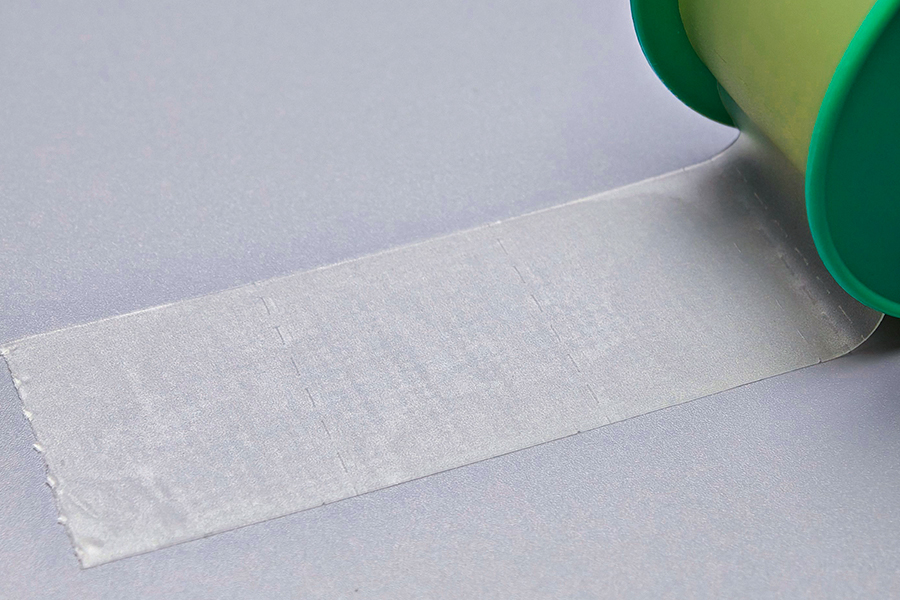 3cm×5m Pre-Cut Hydrocolloid Tape with Plastic CoverMoisture-retaining hydrocolloid tape on a plastic spool adheres to skin contours, making it suitable for at-home first aid and securing medical supplies.View Product →
A Practical Checklist Before You Place an Order
We have shipped enough of these products to know where the surprises hide. The points below are the ones we now raise with every new buyer at the quotation stage rather than after the goods land.
- Confirm the water content and gel integrity. A gel that looks generous in a sample may dry out or slump in a hot container. Ask for accelerated aging data, not just a specification sheet.
- Check the sterile barrier. Foil pouches, peel strength and validation of the sterilisation method matter more than the printed word "sterile" on the carton.
- Agree storage conditions and shelf life. Hydrogels should not freeze, and prolonged exposure to heat degrades the network. Shipping lanes through hot climates need a realistic shelf-life statement.
- Plan the secondary dressing. If the gel needs a film, foam or gauze cover, source them together so the end user is not left improvising.
- Match the format to the market. Hospital tenders usually want sheets and syringes; retail and pharmacy chains lean towards burn pads, gel strips and cosmetic masks.
- Collect the paperwork early. Technical files, labelling artwork and language variations take longer than most first orders allow for.
If you are building a wound-care range rather than a single line item, it helps to see how hydrogel fits alongside foams, alginates and films. Our guide to moist wound healing products covers the wider family and the cost structure behind each type.
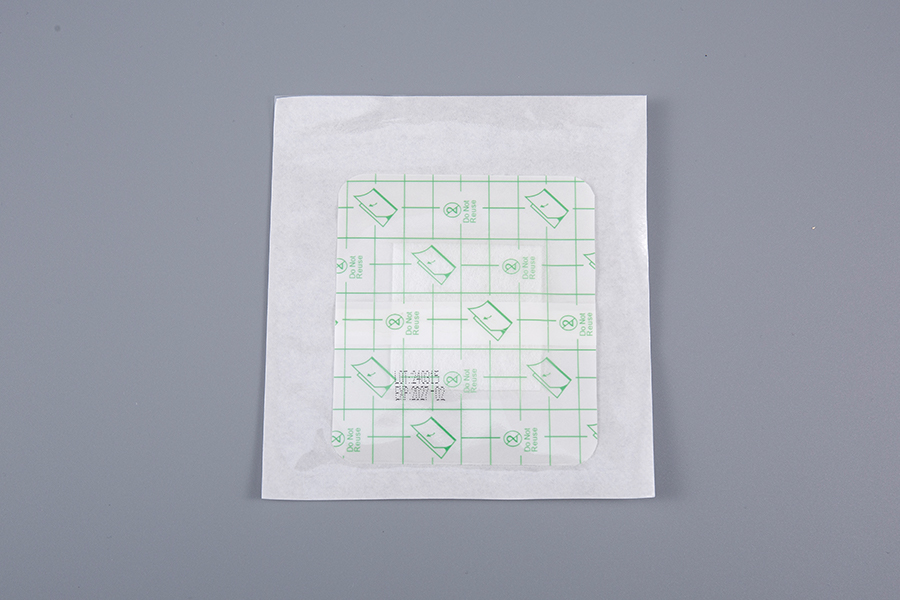 Transparent Waterproof PU Wound Dressing for Small WoundsTransparent waterproof PU dressing protects small wounds and transfusion sites, combining elasticity with absorbency for infection protection in clinical wound-care ranges.View Product →
Many of the buyers we work with are assembling a complete hospital supply solution, where dressings sit in the same catalogue as gauze, tape, gloves and procedure kits. Grouping those items in one shipment is usually the cheapest way to fill a container without overstocking any single SKU.
What we have learned over the years is that hydrogel dressings reward buyers who think about the wound first and the carton second. A dry burn and a weeping leg ulcer need different products, and the same product can feel excellent in a sample pack and disappointing after three months in a warehouse. If you are unsure which of these examples fits your market, send us the wound type, the expected order volume and your packaging preference, and we will tell you honestly which formats make sense and which ones you can safely skip for now.