English
 Français
 Español
 Português
 عربى
 日本語
 한국어
 русский

Collagen Silver Dressing: A Practical Sourcing Guide for Wound Care Buyers
Content
Collagen silver dressing is a family of wound-contact products that combine a collagen matrix with a silver-based antimicrobial. Buyers usually meet it in pads, particles, gels, and freeze-dried sheets, and the formats can look similar in a catalogue while behaving quite differently at the bedside. The appeal is easy to understand: collagen helps create a moist, tissue-friendly interface, while silver is intended to reduce bioburden. That combination can be useful in stalled or colonized wounds, but it is not a shortcut around wound assessment, debridement, pressure relief, or infection control. This guide is written for distributors, hospital supply teams, and private-label buyers who need to compare formats, ask better questions, and avoid costly specification mistakes.
Why Collagen and Silver Are Combined
Collagen is a structural protein that can act as a scaffold and help maintain a moist wound environment. In a dressing, it may support the wound bed without behaving like a simple absorbent pad. Silver is added for antimicrobial effect. Ionic silver can interfere with bacterial growth, and different products release silver at different rates depending on the carrier, moisture level, and dressing construction. The two components are not interchangeable with “collagen” or “silver” alone. A collagen dressing without silver may suit a clean granulating wound; a silver dressing without collagen may fit a different exudate and infection-risk profile.
In practice, collagen silver dressing is often considered when a wound is not progressing as expected and the clinician wants both a moist interface and antimicrobial cover. That does not make it a general first-line choice for every wound. Silver can be cytotoxic if exposure is poorly managed, and collagen is not a substitute for removing dead tissue or correcting poor perfusion. The most reliable buying decision comes from matching the dressing to the wound type, exudate level, care setting, and review interval rather than from a broad “advanced dressing” label.
Common Formats and What They Mean for Buyers
Format affects handling, exudate management, secondary dressing needs, and nursing time. A particle pad may be easy to apply but can shed particles; a gel may fill an irregular cavity but need a cover dressing; a freeze-dried sheet may conform well after hydration but demand careful handling. The table below is a buyer-oriented comparison, not a clinical protocol.
| Format | Typical presentation | Common fit | Buyer checks |
|---|---|---|---|
| Collagen particle pad | Collagen particles dispersed in a pad or sachet | Granulating wounds with light to moderate exudate | Particle loss, silver level, sterility, secondary dressing |
| Collagen gel or paste | Amorphous gel in a tube or syringe | Cavity wounds and uneven wound beds | Ease of fill, hydration, compatibility with packing |
| Freeze-dried collagen sheet | Dry sheet that hydrates at the wound bed | Superficial to moderately deep wounds | Handling strength, conformability, rehydration time |
| Collagen silver contact pad | Combined matrix and silver in a contact layer | Stalled or colonized wounds with infection risk | Silver release, wear time, cytotoxicity, regulatory file |
| Adjacent non-silver dressing | Burn dressing, foam, or non-woven pad | Clean wounds, early protection, or exudate management | Absorbency, adhesion, cost per change |
A common mistake is to compare price per piece without comparing active surface area, silver concentration, sterility, and wear time. A low-cost pad that needs daily changes may cost more in nursing time than a higher-cost dressing that stays in place longer. For buyers, the practical question is not simply “which format is best?” but “which format fits the wound types, care settings, and pack sizes our customers actually use?”
Where Collagen Silver Dressing Fits in a Wound-Care Pathway
Collagen silver dressing is often reviewed for selected chronic and acute wounds, including pressure ulcers, diabetic foot ulcers, venous leg ulcers, and surgical wounds where the clinician has identified a stalled healing pattern and a reason to reduce bioburden. It may also be considered in some burn pathways, but burn care has its own protocols and should not be treated as a simple extension of chronic wound care.
- Wounds with moderate exudate and signs of colonization or infection risk, after clinical assessment.
- Stalled wounds where a moist contact layer is needed under compression, offloading, or a secondary dressing.
- Care settings with planned dressing changes, clear documentation, and a review date.
- Patients who can be monitored for silver sensitivity, maceration, and changes in wound status.
It is not a substitute for systemic antibiotics, sharp debridement, vascular assessment, or pressure relief. It is also not the first choice for clean, dry, closed wounds without infection risk, and it should be avoided where silver sensitivity is known. Prolonged silver exposure without review is poor practice. The dressing should be stopped or changed when the wound status no longer matches the product's intended use.
Burn care is a separate pathway, but it often sits beside advanced wound care in distributor catalogues. A burn dressing may be appropriate for superficial burns or donor sites, while collagen silver dressings are considered only under the relevant wound protocol.
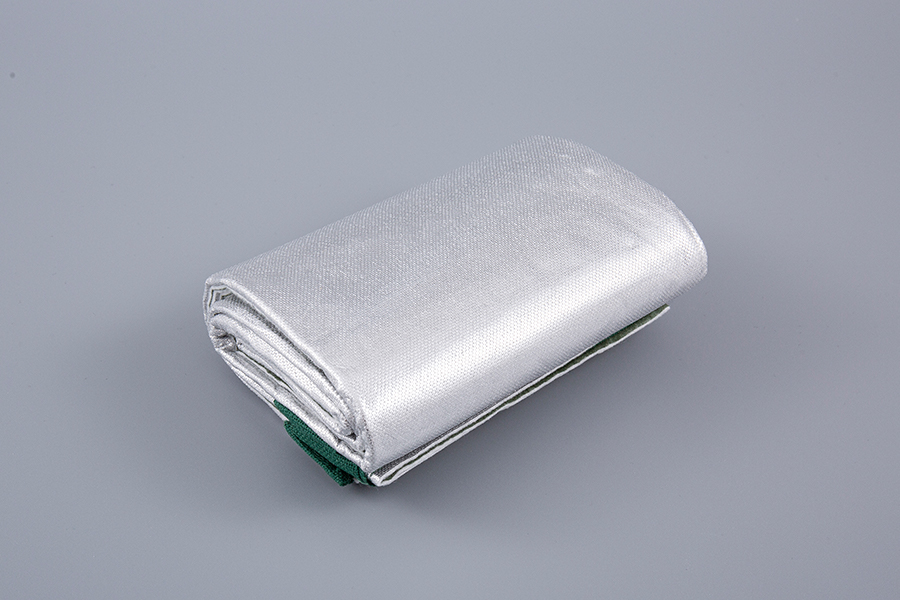 Soft Non-Allergenic Hydrogel Burn DressingFor burn and scald care, this non-stick hydrogel dressing offers cooling, moisturizing coverage and multiple sizes; check technical specifications before supplier selection.View Product →
What B2B Buyers Should Verify Before Ordering
When buyers ask us to review a collagen silver dressing brief, the useful answers are usually in the technical file, not the headline. Product names travel quickly; specifications do not. The following checks help separate a workable supplier from a costly catalogue entry.
- Confirm the collagen source and silver form. Ask for a specification sheet that states collagen origin, silver concentration or release claim, and the test method behind any antimicrobial statement. Collagen origin matters for labelling and for cultural or religious requirements in some markets.
- Check regulatory and sterility documentation for the target market. Ask which regulatory route applies, the sterilisation method, bioburden controls, shelf life, and lot traceability. Do not accept a certificate without checking that it covers the exact product and packaging configuration.
- Review the instructions for use and training needs. Wear time, maximum duration, secondary dressing, and change frequency should be clear. A dressing that requires a specific cover dressing is not a drop-in replacement for another format.
- Inspect packaging and labelling. Pouch integrity, language, unit versus box labelling, and shelf-life dating all affect resale and hospital acceptance. Private-label buyers should also confirm artwork approval and change-control procedures.
- Ask for biocompatibility and cytotoxicity data, plus any antimicrobial testing relevant to the claim. Silver is not automatically “better” at a higher dose; the buyer needs a product that balances antimicrobial intent with tissue tolerance.
- Agree on samples, MOQ, lead time, and custom sizes. A sample should come from the same production specification as the bulk order. For tender business, confirm that pack sizes and sterile presentation match the required schedule.
Sourcing and Supply Considerations
Collagen silver dressing sits in a crowded advanced-wound category, and few distributors can build a range around one product. Buyers often need a mix: a collagen silver option for selected stalled or colonized wounds, plus simpler contact layers, foams, and burn dressings for other pathways. That is why we encourage buyers to compare the total dressing system, not just one SKU. For a broader view of category planning, our advanced wound-care products B2B sourcing guide covers range building, packaging, and buyer questions in more detail.
Hospital supply teams may also need to align wound-care choices with procurement lists, nursing training, and stock rotation. Our hospital supply solutions page is a useful starting point for that conversation. For exudate management, a PU wound dressing can complement a collagen silver contact layer, but the two should not be presented as interchangeable. The secondary dressing has to match the exudate level and the chosen wear time.
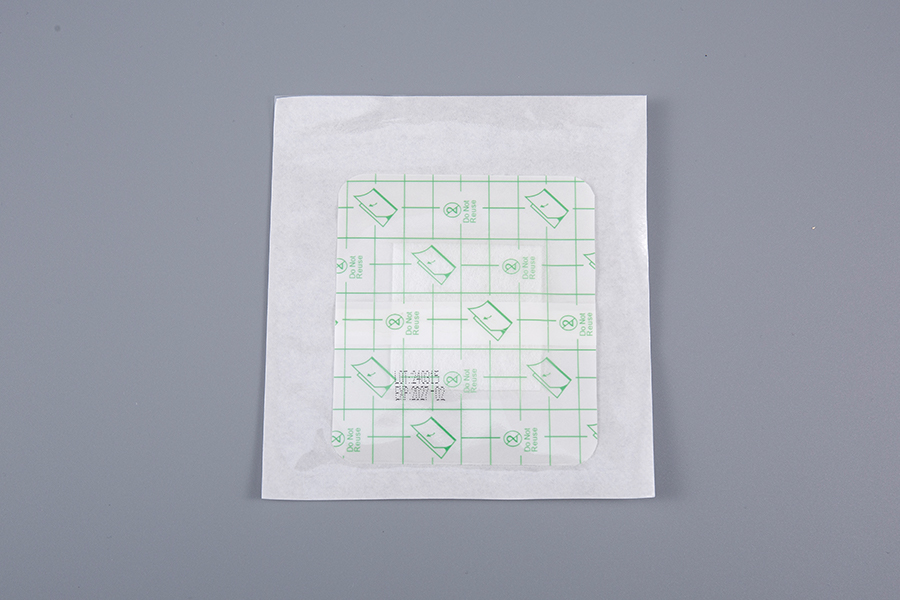 Transparent Waterproof PU Wound DressingA waterproof, absorbent PU option for exudate management, available in multiple sizes and OEM formats; confirm sterility, lead time, and change-control details.View Product →
Lead time matters as much as price. Ask how the supplier handles sterility release, lot testing, and packaging changes. If the product is custom-sized or private-labelled, confirm the approval steps before production, not after. A clear change-control process protects both the buyer and the end user.
Practical Application and Training Notes
Good application starts with assessment. Cleanse the wound according to local protocol, protect the periwound skin, and apply the dressing so it contacts the wound bed without tension or creasing. If a secondary dressing is required, choose one that manages exudate without causing maceration. Document the baseline wound size, exudate level, signs of infection, and the review date. At each change, check whether the wound is improving and whether silver exposure is still justified.
Training should cover handling, hydration of dry sheets, maximum wear time, and the signs that require escalation. Staff should know that a collagen silver dressing is not a stand-alone treatment and that pain, odour, spreading erythema, or worsening exudate need clinical review. Buyers can support this by supplying clear IFUs, training aids, and consistent pack labelling across sizes.
A simple adhesive non-woven dressing is often used as a comparator or for lighter exudate and protection; it is not a substitute for a collagen silver contact layer. Keeping that distinction clear helps sales teams and clinicians avoid mismatched expectations.
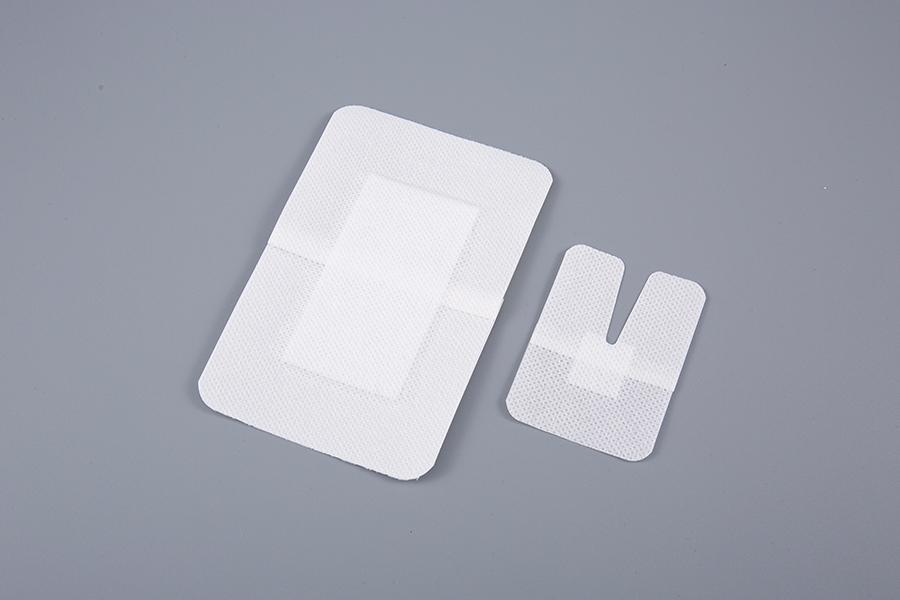 Sterile Adhesive Non-Woven Wound DressingFor lighter exudate and protection, this individually packed non-woven dressing has an adhesive border and absorbent pad; suitable for first aid and routine wound care.View Product →
Collagen silver dressing can be a sensible part of a wound-care portfolio when it is selected for the right wound, supplied with clear documentation, and reviewed like any other clinical intervention. The buyers who get the best results tend to ask precise questions about collagen source, silver release, sterility, wear time, and packaging rather than relying on a single marketing claim. If you are building or refreshing a range, start with the wound pathways your customers actually serve, then choose formats and suppliers that can support those pathways with consistent stock, honest specifications, and practical training.