English
 Français
 Español
 Português
 عربى
عربى 日本語
日本語 한국어
한국어 русский
Advanced Wound Care Products: B2B Sourcing Guide for Distributors and Clinics
Content
- 1 What Makes a Wound Care Product Advanced?
- 2 The Advanced Wound Care Categories Buyers Ask For Most
- 3 Comparing the Main Dressing and Fixation Categories
- 4 A Practical Sourcing Checklist
- 5 Sterility, Packaging and Customisation
- 6 Where These Products Are Used
- 7 Working With a Partner Who Knows the Category
Ask ten clinicians what advanced wound care means and you will likely get ten slightly different answers. Ask a distributor and the answer usually narrows to a practical list: the dressings, tapes, bandages and kits that do considerably more than cover a wound. They manage moisture, handle exudate, stay in place through movement, and come away without tearing fragile new tissue.
We have watched that list grow over the years. What began with gauze swabs, absorbent cotton and zinc oxide plaster has expanded into engineered films, hydrocolloid layers, silicone adhesives and factory-assembled dressing sets. The questions our customers ask have changed just as much. Buyers no longer want a catalogue of items; they want to know which product fits which wound, which stage of healing, and which care setting.
What Makes a Wound Care Product Advanced?
Advanced is not a marketing word in this category. It describes a set of functional expectations that a product either meets or does not. In practice, buyers evaluate wound care products against six points.
- Exudate management: absorbing or transmitting fluid without macerating the surrounding skin.
- Moisture balance: keeping the wound bed moist while letting the periwound area breathe.
- Atraumatic removal: reducing pain and tissue trauma at every dressing change.
- Bacterial barrier: limiting outside contamination while allowing vapour to escape.
- Conformability: staying flat on curved, moving or awkward anatomical areas.
- Wear time: supporting longer intervals between changes, which saves nursing time and consumables.
A plain gauze pad meets none of these requirements especially well; it sticks, dries out and needs frequent replacement. The categories below are designed around them.
The Advanced Wound Care Categories Buyers Ask For Most
Moisture-Retentive and Non-Adherent Dressings
This is the heart of any advanced range. Polyurethane film dressings give a transparent, waterproof barrier over superficial wounds, IV sites and post-operative incisions, so staff can inspect the site without lifting the dressing. Hydrocolloid products form a gel over low-exudate wounds, blisters and donor sites, and they are popular in scar care because they lift away gently. Non-adherent pads and paraffin gauze handle the opposite problem: they protect fragile wound beds, grafts and burns where a conventional pad would stick and tear on removal.
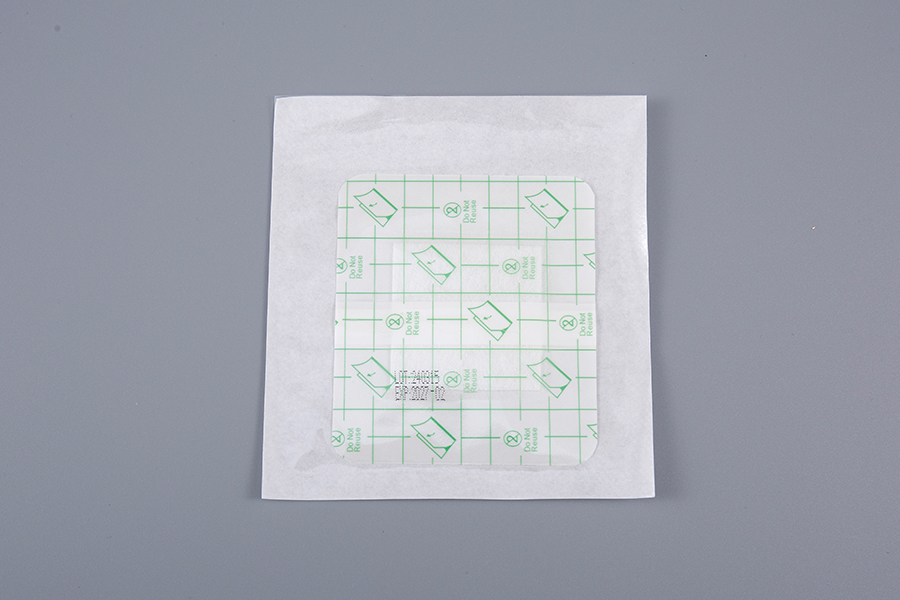 Transparent Waterproof PU Wound DressingOur PU wound dressing is designed for the dressing of small wounds and for use in transfusion. By covering the wound with the PU dressing, PU has excellent elasticity ...View Product →
Specification matters more than the category name. A buyer should confirm film thickness, adhesive type, absorbency level and whether the item is supplied sterile. The same applies to our PU wound dressing range, where size, backing and packaging options are matched to the intended clinical use rather than to a generic description.
Tapes and Bandages That Stay Put Without Damaging Skin
Fixation is where many wound care programmes quietly succeed or fail. A dressing that will not stay in place is expensive no matter how sophisticated it is, yet aggressive adhesives cause skin stripping, especially in elderly, neonatal and long-stay patients. Silicone tapes address this directly: they hold the dressing securely and peel away with minimal trauma, leaving no sticky residue. For lighter fixation, non-woven paper tapes and microporous tapes offer breathability at a lower cost per application. Where compression or joint support is needed, cohesive bandages, crepe bandages and PBT conforming bandages take over, and each behaves quite differently under tension.
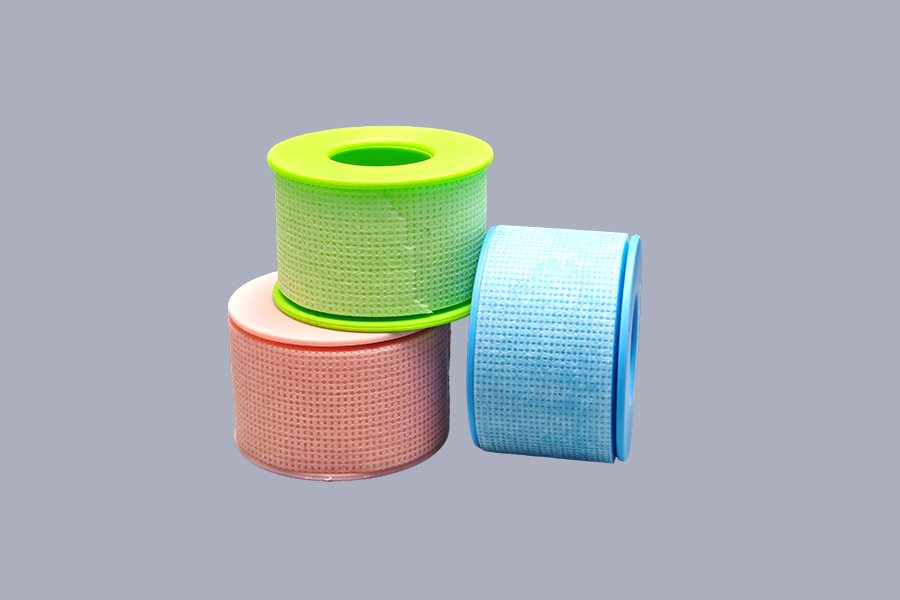 2.5cm×5m Easy-peel Silicone Tape with Plastic Cover2.5cm×5m easy-peel silicone tape is designed for gentle, versatile use.View Product →
Our advice to distributors is straightforward: never treat tapes as an afterthought in a wound care tender. They are usually the highest-volume line on the list and the one most likely to generate complaints when the adhesive is wrong for the patient group.
Dressing Sets and Procedure Kits
Hospitals increasingly prefer a single sterile pack containing everything needed for one procedure, because it reduces picking time, waste and the risk of a missing component. Dressing exchange sets, basic dressing sets, suture removal kits and suturing sets are all part of that shift. For suppliers, kits are also a way to add value without changing the underlying components: the same gauze, tape and dressing can be configured into several SKUs for different departments or markets.
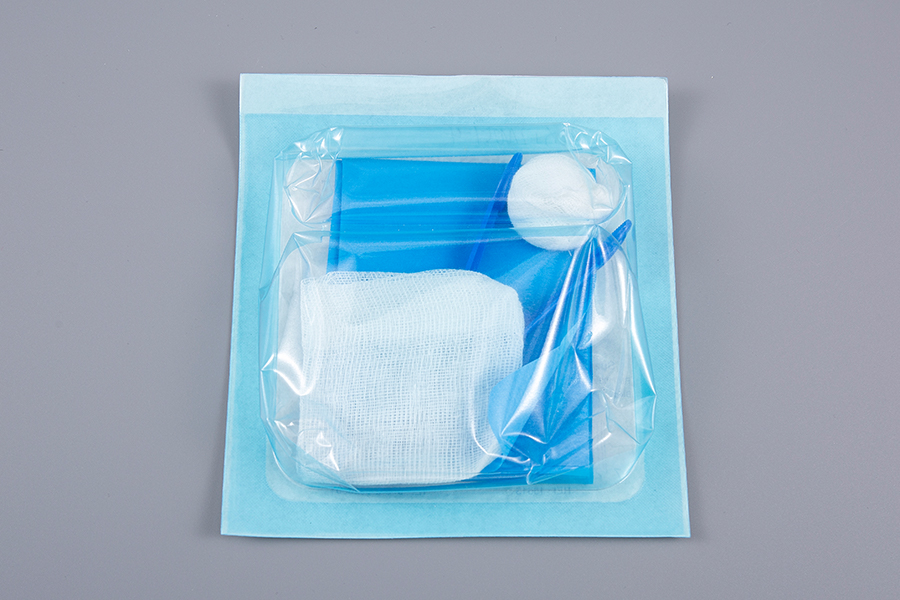 Convenient Efficient Sterile Single Use Dressing Exchange SetOur dressing exchange kit enables a convenient dressing exchange process by offering all the necessary supplies during the operation, including tools and consumables n...View Product →
Because kits are assembled rather than manufactured, the critical factors are configuration discipline, labelling and sterility validation. Before approving a sample, ask for the component list, a photo of the finished pack and confirmation of the sterilisation method.
Comparing the Main Dressing and Fixation Categories
| Category | Typical Use | Key Benefit | Sterility Options |
|---|---|---|---|
| PU film dressing | Superficial wounds, IV sites, post-op cover | Transparent waterproof barrier | Sterile |
| Hydrocolloid dressing or tape | Low-exudate wounds, blisters, scar care | Gel formation, gentle removal | Sterile and non-sterile |
| Non-adherent pad | Grafts, burns, fragile tissue | No sticking to the wound bed | Sterile |
| Paraffin gauze | Donor sites, burns, abrasions | Low-adherent contact layer | Sterile |
| Silicone tape | Fixation on fragile or elderly skin | Residue-free, atraumatic removal | Non-sterile |
| Cohesive bandage | Compression and securement over joints | Self-adhering, no pins required | Non-sterile |
No single row wins. A well-built range covers several rows, because a clinic that buys film dressings almost always needs a compatible fixation tape and a non-adherent option for the patients who cannot tolerate adhesive at all.
A Practical Sourcing Checklist
- Confirm the intended wound type and healing stage, not just the product name.
- Decide whether sterility is clinically required or whether a clean, non-sterile product is sufficient.
- Check adhesive chemistry against the patient population, especially paediatric and geriatric care.
- Verify sizes and shapes against the procedures the product will actually be used for.
- Request samples and test them under real working conditions before committing to volume.
- Review packaging, labelling and shelf-life information for each market you serve.
- Agree on documentation, including component lists for any kit or tray.
Buyers who follow these seven steps rarely end up with dead stock, which in this category is the most expensive outcome of all.
Sterility, Packaging and Customisation
Sterile and non-sterile versions of the same product often sit side by side in a catalogue, and that is intentional. Sterile presentation is essential for surgical and open-wound applications, while non-sterile formats make sense for intact skin, training and general first aid. What matters is that the distinction is clear on the label and in the product data, so that clinical users never have to guess.
Customisation is the other theme we hear constantly from importers and private-label brands. In this category it usually means a specific size, a printed backing, a chosen adhesive, a colour, a branded retail box or a tailored kit configuration. Customisation works best when it is planned around a clear clinical or commercial purpose, because a unique specification that nobody reorders helps no one.
Where These Products Are Used
The same advanced wound care item can travel through several very different channels, which is why a single catalogue has to speak to several audiences at once.
- Hospital wards and operating theatres, where dressing sets and sterile dressings dominate.
- Outpatient clinics and community nursing teams, where wear time and ease of change matter most.
- Home care and long-term care, where gentle adhesives protect fragile skin.
- First aid and workplace safety programmes, served by plasters, bandages and compact kits.
- Sports care and rehabilitation, where cohesive bandages and kinesiology tapes lead.
- Retail and pharmacy shelves, where packaging and consumer clarity decide the sale.
- Veterinary practice, where dressings and swabs follow the same principles with different sizes.
Working With a Partner Who Knows the Category
We are a trading company, not a single-product manufacturer, and that shapes how we work. Our role is to keep a broad, well-organised portfolio of medical disposables, to understand how the items behave when they are combined, and to make sourcing simpler for importers, distributors, hospital supply teams and private-label buyers.
If you would like to see how these categories fit together across the wider range, browse our medical disposables catalogue to compare gauze, bandages, tapes, dressings and kits in one place. You may also find our note on the expanding role of wound dressings in modern healthcare useful, since it explains how dressing selection has shifted from ward routine to pathway design.
Advanced wound care products reward buyers who look past the label. The questions worth asking are practical ones: what does this dressing do with fluid, how does it come off, how long will it stay on, and does it suit the patients we actually treat? Get those answers right and the rest of the purchasing decision becomes far easier.
If you are building or refreshing a wound care range, send us your specification list. We will tell you honestly which items we can supply, which configurations make sense, and where a simpler product will serve your customers just as well.