English
 Français
 Español
 Português
 عربى
 日本語
 한국어
 русский

Gel Scar Sheets Explained: Clinical Use, Product Selection, and B2B Sourcing
Content
Gel scar sheets look simple: a thin, flexible sheet that sits on the skin. Yet for clinics, distributors, and private-label buyers, they raise useful questions about comfort, adhesion, patient education, and supply consistency. This guide walks through what these sheets are, how they work in practice, and what to check before adding them to a wound-care or aftercare range.
What Are Gel Scar Sheets?
Gel scar sheets are medical-grade silicone gel sheeting used on closed wounds and raised scars. They are soft, translucent, and slightly tacky, so they stay in place without needing a strong adhesive in every format. The “gel” description can be misleading: these are not ointments or liquid gels. They are solid, flexible sheets, often washable and reusable for a period, depending on the product design.
They are commonly used for hypertrophic scars, keloids, burn scars, and post-surgical scars. Some products are transparent for cosmetic wear; others are flesh-toned or backed with a gentle adhesive. The core material is usually silicone, and the performance depends on thickness, tack, conformability, and how well the sheet stays in contact with the scar surface.
How They Work
The main mechanism is occlusion and hydration. By covering the scar, a silicone sheet helps keep the stratum corneum hydrated and modifies the local environment. That can reduce redness, itching, and discomfort while supporting a softer, flatter scar over time. The sheet is not removing the scar; it is helping the healing process settle into a better pattern.
Evidence supports silicone gel sheeting for many raised scars, but results vary by scar age, location, skin type, and how consistently the product is worn. A scar that is years old may respond slowly, and a fresh scar needs to be fully closed before use. Patients with irritated, broken, or infected skin should wait for clinical advice. For a more detailed clinical and B2B overview, this article on how silicone sheets help scars heal is a useful reference.
Where They Fit in Scar Care
Timing matters. Most clinicians wait until the wound has closed and any scabbing has resolved. Early use on a closed, intact scar may help, but the sheet should be introduced gradually, especially for sensitive skin. A common routine is to start with a few hours a day, build up tolerance, and then wear the sheet for longer periods, often 12 to 24 hours a day, depending on comfort and clinical advice.
Practical aftercare makes a real difference. The sheet should be cleaned gently, dried properly, and stored on its protective liner. It should be cut slightly larger than the scar where possible, but not so large that it lifts at the edges. Hair, sweat, and body movement can weaken adhesion, so patients may need a little trial and error to find the right size and format for the scar location.
Product Formats and Buyer Considerations
For B2B buyers, “gel scar sheets” is a category with several practical formats. The table below compares common options without treating them as interchangeable. The right mix depends on the clinical setting, retail channel, and the level of patient support you can provide.
| Format | Typical use | Buyer checks | Practical note |
|---|---|---|---|
| Standard silicone gel sheet | Flat raised scars, post-surgical scars | Thickness, tack, transparency, washability | Comfort drives adherence more than claims |
| Silicone tape roll | Curved areas, larger scars, clinic cutting | Stretch, adhesion, residue, skin sensitivity | Useful where custom sizes are needed |
| Adhesive hydrocolloid format | Adjacent protection and light exudate management | Absorption, adhesion, breathability | Do not present it as a direct scar-sheet substitute |
| Custom aftercare kit | Post-op packs, retail programs | Size mix, instructions, packaging, shelf life | Clear guidance improves patient confidence |
When comparing suppliers, look beyond the surface. Ask about silicone quality, sheet thickness tolerance, adhesive performance after washing, and how the product behaves on oily or sweaty skin. Packaging matters too: a flat, protected sheet is easier to handle than one that arrives creased or contaminated. If the product is intended for retail, check whether the instructions are clear enough for a patient to use without a clinician in the room.
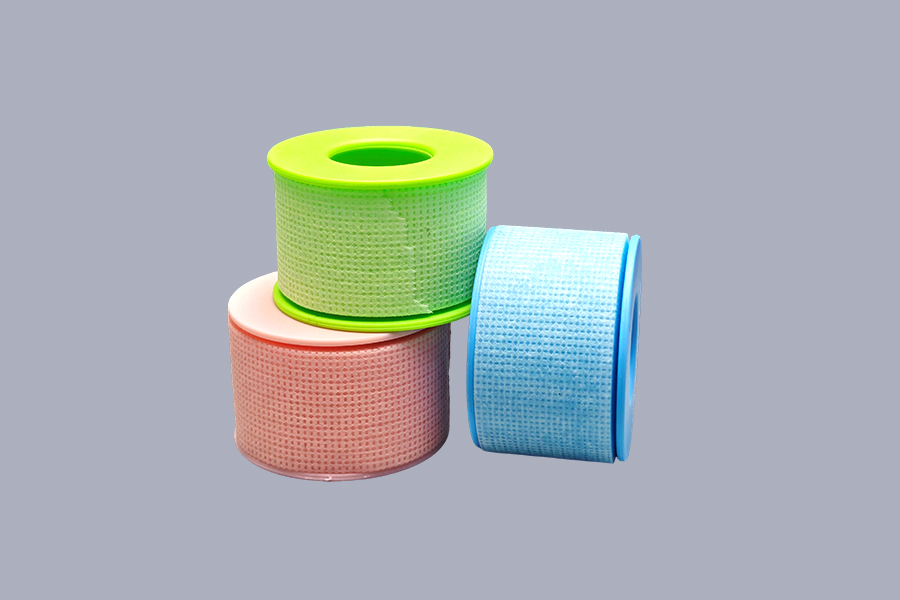 Silicone Tape for Custom Cutting and Clinic UseA soft silicone tape on a spool, with gentle adhesive and breathable non-woven layer, suited to custom lengths and clinic or retail supply discussions.View Product →
For buyers exploring silicone-based formats, a silicone tape range can be a practical reference point for custom cutting and clinic use. It is also worth reviewing adjacent adhesive formats separately, because a product that protects a wound is not automatically a scar therapy product.
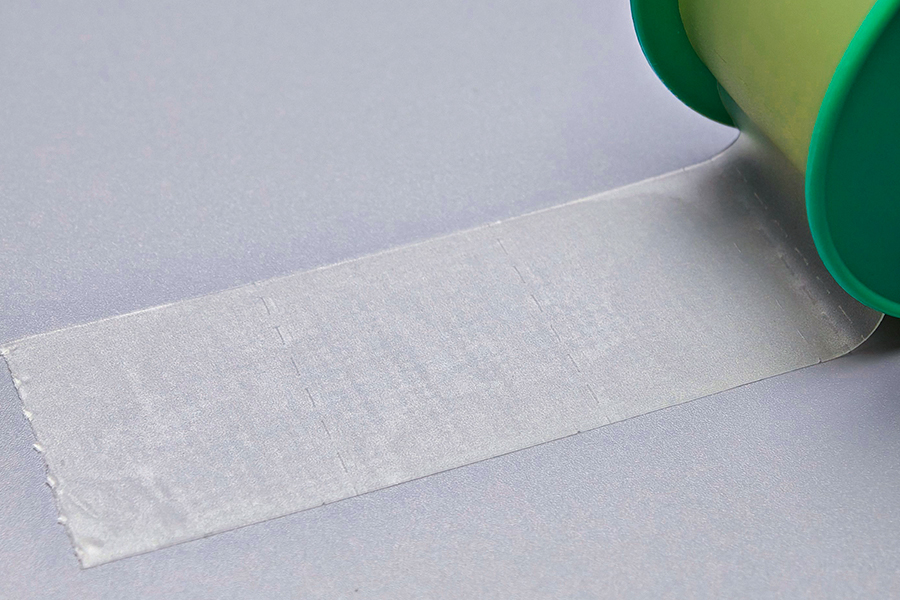 Pre-cut Hydrocolloid Tape for Minor Wound DressingA 3cm×5m PVA hydrogel tape supplied on a spool, useful when comparing adjacent adhesive formats for temporary wound dressing and medical supply fixation.View Product →
Quality, Claims, and Documentation
Scar care sits close to medical claims, so the language around a product matters. “Softens,” “flattens,” and “fades” are common marketing words, but buyers should ask what evidence, testing, and regulatory status sit behind them. Request technical data sheets, biocompatibility information where applicable, shelf-life data, and lot traceability. Confirm whether the product is sterile or non-sterile, and make sure the packaging and instructions match that status.
Skin sensitivity is another practical concern. Silicone is generally well tolerated, but adhesive edges, cleaning residues, and long wear can still irritate some patients. A good supplier will be willing to discuss patch testing, usage limits, and clear stop-use guidance. For hospital supply teams, these details are often more important than a long list of product variations. This is also where hospital supply planning overlaps with wound care: consistent sizing, clear labels, and reliable documentation reduce confusion at the point of use.
Sourcing and Supply Chain Notes
From a sourcing perspective, gel scar sheets are a small, light product with a high dependence on packaging and patient instruction. That makes them suitable for distributed ranges, aftercare kits, and private-label programs, but it also means the details can make or break the offer. Discuss minimum order quantities, sheet sizes, liner type, retail box design, language versions, and shelf life before committing to a range.
Ask how the sheets are stored and shipped. Heat, pressure, and folding can affect tack and appearance. A supplier who understands the product will usually have practical answers about carton configuration, protection during transit, and how to keep the sheets flat. If you are building a post-surgical or burn-care kit, consider whether the scar sheet should be packed with cleansers, dressings, or patient guides rather than sold as a standalone item.
Common Pitfalls
- Using a scar sheet on an open wound, rash, or infected skin.
- Cutting the sheet too small, so the edges lift and the scar is not fully covered.
- Expecting a visible change within a few days rather than weeks or months.
- Skipping cleaning instructions, which can reduce adhesion and comfort.
- Treating hydrocolloid dressings and silicone gel sheets as the same product.
- Making strong claims without supporting documentation or clear patient guidance.
For distributors, the most common problem is not the sheet itself but the lack of support around it. A product that comes with sensible instructions, a realistic wear schedule, and a clear note about when to stop is easier to sell responsibly and easier for patients to use well.
Gel scar sheets are a focused product, but they reward careful selection. The best options are not simply the thinnest or the most adhesive; they are the ones that stay comfortable, stay in place, and come with clear guidance for the people using them. Whether you are supplying clinics, building aftercare kits, or developing a retail range, start with the scar type, the wear scenario, and the documentation behind the claim. That approach keeps the product useful, the advice honest, and the supply relationship steady.