English
 Français
 Español
 Português
 عربى
عربى 日本語
日本語 한국어
한국어 русский
Medical Supply List for a Medical Office: Essentials & Par Levels
Content
- 1 Core medical supply list for a medical office
- 2 Front desk, intake, and patient flow supplies
- 3 Infection prevention and cleaning inventory
- 4 Clinical disposables and minor procedure supplies
- 5 Diagnostics and point-of-care testing supplies
- 6 Emergency preparedness supplies to keep on hand
- 7 Par levels and reorder points that prevent stockouts
- 8 Room-by-room restock checklist to standardize supplies
- 9 Smart purchasing: reduce waste, control costs, and avoid expirations
Core medical supply list for a medical office
A practical medical supply list for a medical office should cover patient intake, routine exams, minor procedures, infection prevention, and basic diagnostic testing. Most offices reduce stockouts by organizing supplies into “exam room,” “procedure room,” “lab corner,” and “front desk” kits, each maintained with minimum/maximum quantities.
A useful rule of thumb is to keep 2–4 weeks of fast-moving consumables on hand (depending on delivery reliability and patient volume), while keeping slower-moving items lean to avoid expirations and tied-up cash.
Exam room essentials
- Non-sterile gloves (multiple sizes), masks, eye protection
- Alcohol prep pads, cotton balls, gauze sponges (2x2, 4x4)
- Bandages (assorted), tape (paper/cloth), self-adherent wrap
- Tongue depressors, specimen cups, swabs, lubricant packets
- Sharps container access and small biohazard waste bags
- Disposable patient drapes or exam table paper rolls
Procedure-ready consumables
- Sterile gloves (common sizes), sterile gauze, sterile saline
- Suture removal kits, suture materials (if applicable), wound closure strips
- Scalpel blades/handles, hemostats, needle holders (as dictated by scope)
- Local anesthetic supplies (syringes/needles), antiseptics, dressings
- Sterile instrument pouches or wraps (if doing in-house processing)
Front desk, intake, and patient flow supplies
An overlooked part of a medical supply list for a medical office is intake and patient flow. Small items that run out (clipboards, labels, wipes) can slow throughput and create avoidable delays, especially in high-turnover clinics.
Administrative and labeling
- Patient ID labels, lab labels, barcode label rolls (if used)
- Printer paper, toner/ink, wristbands (if applicable)
- Consent forms (paper), clipboards, pens, cleaning wipes for shared surfaces
Patient comfort and accessibility
- Disposable emesis bags, tissues, water cups, sanitary pads (as appropriate)
- Wheelchair wipes, hand sanitizer stations, spare masks
Infection prevention and cleaning inventory
Infection prevention supplies should be managed separately from clinical consumables to ensure constant availability. Facilities often find that cleaning products fluctuate with seasonality and illness spikes, so it helps to set higher minimums during peak respiratory seasons.
PPE and hand hygiene
- Gloves (non-sterile), surgical masks, respirators (as required), face shields
- Hand sanitizer, soap refills, paper towels, no-touch trash liners
Surface disinfection and waste handling
- EPA-registered disinfectant wipes/sprays (per facility protocol)
- Biohazard bags, regulated medical waste containers (as applicable)
- Sharps containers (multiple sizes), mounting brackets where needed
For risk control, keep a dedicated reserve of PPE equal to at least one full week of typical usage, even if you run lean elsewhere.
Clinical disposables and minor procedure supplies
These items typically drive the highest consumption in primary care and outpatient offices. Standardization across rooms prevents “partial kits” that waste staff time and leads to variation in care delivery.
Injections, venipuncture, and specimen collection
- Syringes (common sizes), needles (assorted gauges/lengths), safety needles if required
- Tourniquets, vacutainer holders, blood collection tubes used by your lab
- Lancets, microcollection supplies (if used), capillary tubes (if used)
- Urine cups, transport media/swabs, specimen bags with absorbent material
Wound care and dressings
- Non-adherent pads, gauze rolls, foam dressings (if used), adhesive bandages
- Skin adhesive, closure strips, wound cleanser, topical antiseptics per protocol
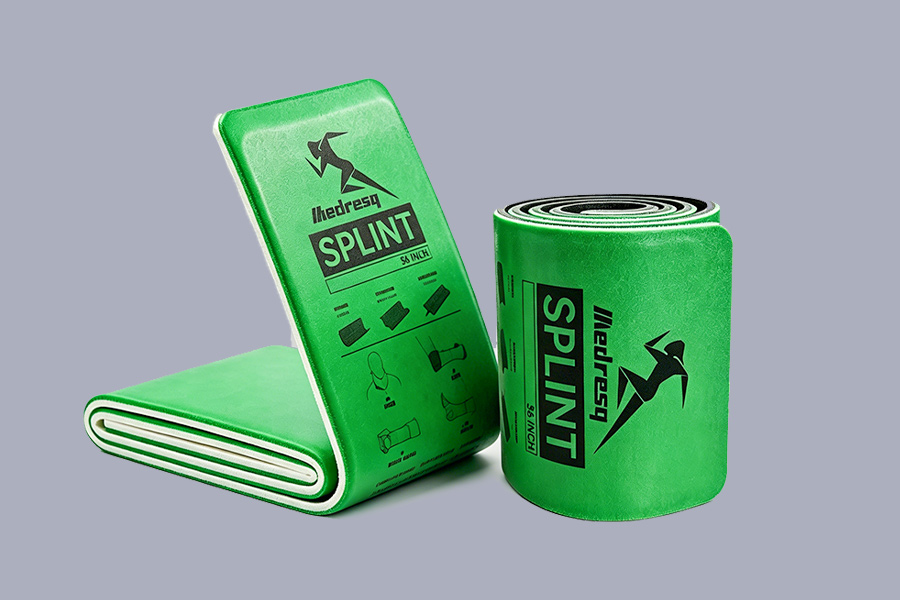
- Splints, finger splints, elastic bandages (if treating minor MSK injuries)
Diagnostics and point-of-care testing supplies
A medical office supply list should align to the tests you actually run onsite. Over-ordering test kits creates expiration risk; under-ordering leads to cancelled visits or rework. Track usage by test type and set reorder points based on true run rate.
Common point-of-care items
- Urinalysis strips and controls (if required), urine collection accessories
- Glucose meter strips/lancets (if performed), A1c cartridges (if performed)
- Rapid infectious disease tests used by your practice and their controls
- Specimen transport supplies: cold packs, insulated shippers (if needed), requisition forms
If you stock tests with short shelf lives, prioritize smaller orders more frequently so that expiration waste stays near zero.
Emergency preparedness supplies to keep on hand
Even small clinics need an emergency “grab kit” and a documented restocking routine. Keep these items sealed, checked monthly, and replaced before expiration. The goal is readiness without turning the emergency kit into a general supply closet.
Basic emergency and stabilization items
- Bag-valve mask (adult; pediatric if applicable), oxygen accessories (as applicable)
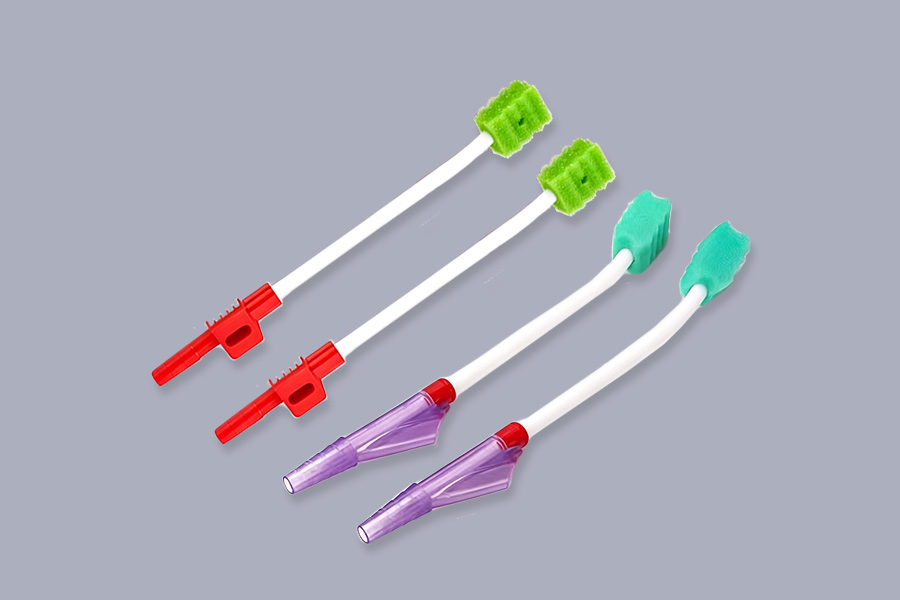
- Airway adjuncts (as trained/authorized), suction supplies (if available)
- Emergency dressings, trauma shears, tourniquet (per protocol)
- AED pads (if AED present), batteries as needed, spare PPE
A best practice is to log emergency-kit checks on a single sheet and require a second staff signature when any seal is broken.
Par levels and reorder points that prevent stockouts
Par levels turn a long medical supply list for a medical office into a repeatable system. Instead of asking “what should we buy,” the team maintains a minimum quantity (reorder point) and a maximum quantity (par). This makes ordering fast, predictable, and less dependent on one person’s memory.
A simple, defendable formula
- Calculate average weekly usage for each item based on recent clinic volume.
- Multiply by supplier lead time (in weeks).
- Add a safety buffer for variability (commonly 20–30% for fast movers).
Example: if you use 6 boxes of gloves per week and lead time is 1.5 weeks, the baseline reorder point is 9 boxes. With a 25% buffer, reorder at 12 boxes (rounded up).
| Item | Where stocked | Reorder point | Par (max) |
|---|---|---|---|
| Non-sterile gloves | Every exam room + supply closet | 12 boxes | 24 boxes |
| Alcohol prep pads | Every exam room | 6 boxes | 12 boxes |
| Gauze 4x4 | Procedure area + exam rooms | 4 sleeves | 8 sleeves |
| Sharps containers | Exam rooms + procedure room | 2 spares | 6 spares |
Room-by-room restock checklist to standardize supplies
Standardization is what makes a medical supply list for a medical office operationally useful. When every exam room is stocked identically, clinicians stop “borrowing” from other rooms, and inventory stays accurate. The checklist below is designed to be printed and used during daily close or morning open.
Daily exam-room restock items
- Gloves stocked to room par in all sizes used
- Alcohol pads, gauze, bandages, tape, swabs replenished to par
- Specimen cups/bags and labels available
- Disinfectant wipes stocked; hand sanitizer not below minimum
- Sharps container not over fill line; spare accessible
Offices that adopt a single checklist typically cut “search time” for supplies during visits because staff are not improvising room setups; the operational impact shows up quickly as fewer delays and fewer incomplete procedures.
Smart purchasing: reduce waste, control costs, and avoid expirations
Purchasing discipline is as important as the medical office supply list itself. Small changes can reduce expiration waste and keep cash available for higher-value clinical needs. The approach below is practical even for small practices without a dedicated inventory manager.
Tactics that work in most outpatient settings
- Separate “fast movers” from “expiring items” and order them on different cadences.
- Use first-expire-first-out rotation and label shelves with expiration month.
- Limit product variety: one standard tape, one standard gauze set, one standard dressing kit where clinically appropriate.
- Consolidate vendors for better pricing, but keep a secondary source for critical items.
A practical target is to keep expirations to under 1% of total spend on consumables by tightening order frequency for short-dated items and standardizing SKUs.